

Dual-class share structures in spotlight with Rogers crisis
Advertisement
Read this article for free:
or
Already have an account? Log in here »
To continue reading, please subscribe:

Digital Subscription
One year of digital access for only $205*
- Enjoy unlimited reading on winnipegfreepress.com
- Read the E-Edition, our digital replica newspaper
- Access News Break, our award-winning app
- Play interactive puzzles
*First annual payment billed as $205.00 + GST for one year. This annual subscription will automatically renew at $233.00 + GST every 52 weeks (10% off the regular annual price of $259.35). Offer available to new and qualified returning subscribers only. Cancel any time.
To continue reading, please subscribe:
Add Free Press access to your Brandon Sun subscription for only an additional
$1 for the first 4 weeks*
- Enjoy unlimited reading on winnipegfreepress.com
- Read the E-Edition, our digital replica newspaper
- Access News Break, our award-winning app
- Play interactive puzzles
*Your next Brandon Sun subscription payment will increase by $1.00 and you will be charged $17.95 plus GST for four weeks. After four weeks, your payment will increase to $24.95 plus GST every four weeks.
Read unlimited articles for free today:
or
Already have an account? Log in here »
Hey there, time traveller!
This article was published 26/10/2021 (1785 days ago), so information in it may no longer be current.
TORONTO – Critics of dual-class share structures say the fight for control of Rogers Communications Inc. is proof that the model is badly flawed.
A dual-class share structure is one where companies issue different classes of common shares. Typically, it gives disproportionate voting rights to one group of shareholders such as the company’s founders, family members and executives.
Kevin Thomas, chief executive of the Shareholder Association for Research and Education, says dual-class share structures don’t work.
He says the lack of accountability can lead to all kinds of problems, from obscenely high executive compensation packages to stale leadership and poor management.
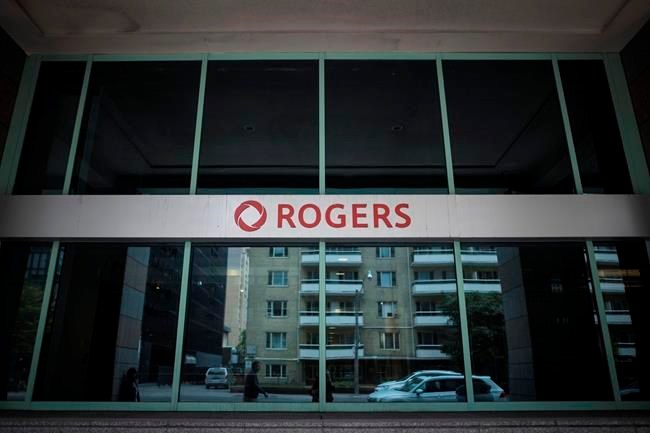
At Rogers Communications, a fight between ousted board chair Edward Rogers and other family and board members has plunged the company into turmoil. The two sides each claim to be in control of the company.
At Rogers, the family trust owns 97 per cent of Class A voting shares. Family members also take up a disproportionate share of board seats. The family also has 9.89 per cent of Class B shares which pay dividends but do not have voting rights.

This report by The Canadian Press was first published Oct. 25, 2021.
Companies in this story: (TSX:RCI.B)