Serbia suspends lithium mine plans after protests
Advertisement
Read this article for free:
or
Already have an account? Log in here »
To continue reading, please subscribe:

Digital Subscription
One year of digital access for only $205*
- Enjoy unlimited reading on winnipegfreepress.com
- Read the E-Edition, our digital replica newspaper
- Access News Break, our award-winning app
- Play interactive puzzles
*First annual payment billed as $205.00 + GST for one year. This annual subscription will automatically renew at $233.00 + GST every 52 weeks (10% off the regular annual price of $259.35). Offer available to new and qualified returning subscribers only. Cancel any time.
To continue reading, please subscribe:
Add Free Press access to your Brandon Sun subscription for only an additional
$1 for the first 4 weeks*
- Enjoy unlimited reading on winnipegfreepress.com
- Read the E-Edition, our digital replica newspaper
- Access News Break, our award-winning app
- Play interactive puzzles
*Your next Brandon Sun subscription payment will increase by $1.00 and you will be charged $17.95 plus GST for four weeks. After four weeks, your payment will increase to $24.95 plus GST every four weeks.
Read unlimited articles for free today:
or
Already have an account? Log in here »
Hey there, time traveller!
This article was published 16/12/2021 (1721 days ago), so information in it may no longer be current.
BELGRADE, Serbia (AP) — Local authorities in western Serbia on Thursday suspended a plan that would allow mining giant Rio Tinto to operate a lithium mine, following protests by environmentalists that shook the country’s populist leadership.
The mining had been expected to start in the near future, but a town council in Loznica voted to suspend a regional development plan that permitted the excavation of lithium. The vote followed the suspension last week of two key laws in Serbia’s parliament that ecologists said would help the multinational mining company start the project.
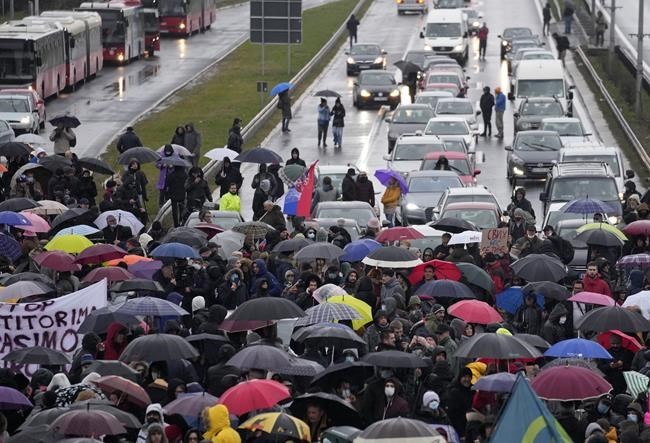
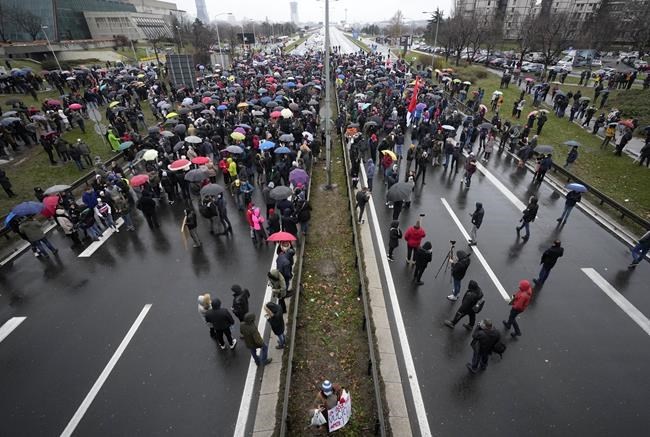
For three consecutive weekends, thousands of protesters in Belgrade and elsewhere in Serbia blocked main roads and bridges to oppose Rio Tinto’s plan to launch a $2.4 billion mining operation in Serbia. The protests were the biggest challenge yet to the increasingly autocratic rule of Serbian President Aleksandar Vucic.
“Whether there will be a mine depends on people (in western Serbia) and the study on environmental impact assessment,” Prime Minister Ana Brnabic said. “These are the two conditions that the president (Vucic) stated earlier.”
Rio Tinto said in a statement Thursday that it worked in accordance with laws and the highest professional standards throughout its 10-year presence in Serbia in order to launch “the largest mining investment in this part of the world.”
“We understand the interest of citizens in everything that happens in connection with the project, and we will continue to provide information on all aspects of the project for which we are responsible and in which we participate,” the statement said, according to independent Beta news agency.
Although Rio Tinto said it would adhere to all the latest environmental protection standards, organizers of the weekend protests said the lithium excavation could inflict lasting ecological damage to rivers and farmland in the region.
Now that the lithium mine plans are on hold, Vucic said earlier this week that from now on “we will have to speak in a different way to Rio Tinto and others.”
Throughout its almost 150-year history, the company has faced accusations of corruption, environmental degradation and human rights abuses at its excavation sites.

Lithium, which is used in batteries for electric cars, is considered one of the most sought-after metals of the future as the world shifts to more renewable energy sources.
As Serbia faces an electricity shortage, Vucic has ignored European Union pleas for countries to reduce CO2 emissions and pledged to continue and even expand coal mining for power plants.
Environmentalists are upset at the Serbian government’s lack of response to rising pollution in the country.
____
Follow all AP stories on climate change issues at https://apnews.com/hub/climate.