A dire prognosis
Nurse’s story highlights perils and selflessness of First World War service
Advertisement
Read this article for free:
or
Already have an account? Log in here »
To continue reading, please subscribe:

Digital Subscription
One year of digital access for only $205*
- Enjoy unlimited reading on winnipegfreepress.com
- Read the E-Edition, our digital replica newspaper
- Access News Break, our award-winning app
- Play interactive puzzles
*First annual payment billed as $205.00 + GST for one year. This annual subscription will automatically renew at $233.00 + GST every 52 weeks (10% off the regular annual price of $259.35). Offer available to new and qualified returning subscribers only. Cancel any time.
To continue reading, please subscribe:
Add Free Press access to your Brandon Sun subscription for only an additional
$1 for the first 4 weeks*
- Enjoy unlimited reading on winnipegfreepress.com
- Read the E-Edition, our digital replica newspaper
- Access News Break, our award-winning app
- Play interactive puzzles
*Your next Brandon Sun subscription payment will increase by $1.00 and you will be charged $17.95 plus GST for four weeks. After four weeks, your payment will increase to $24.95 plus GST every four weeks.
Read unlimited articles for free today:
or
Already have an account? Log in here »
Hey there, time traveller!
This article was published 29/01/2022 (1714 days ago), so information in it may no longer be current.
Some books have the power to reach across a century with startling relevance.
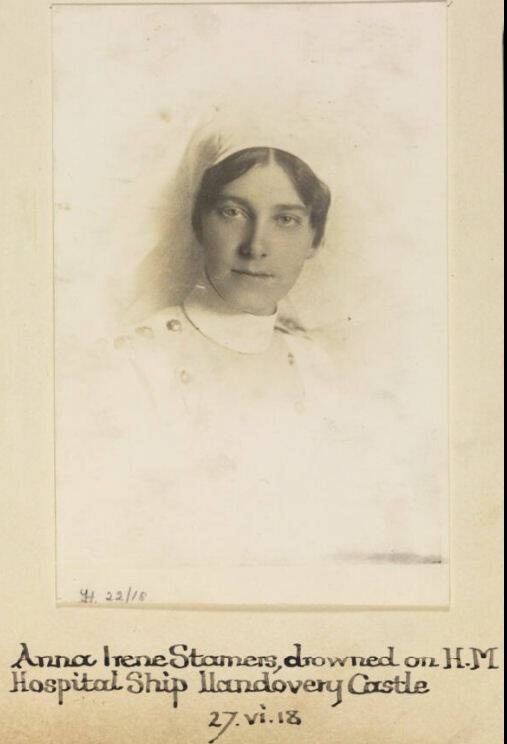
Anna Stamers was a young New Brunswick woman whose nursing career took her from her civilian career to three years at war in England and France, and eventually her death.
Her expectations measured against the harsh reality draws comparisons with today’s COVID nursing.
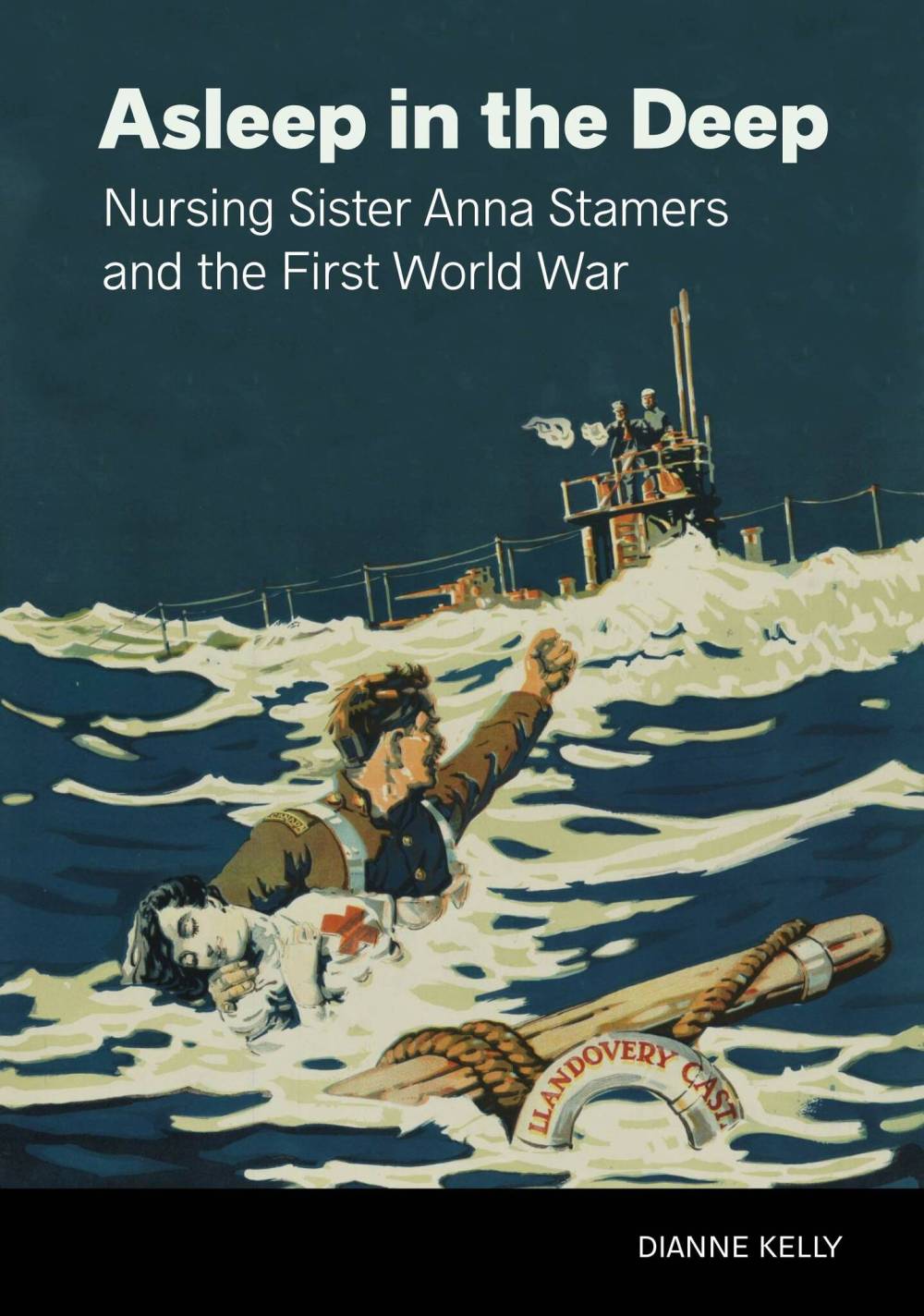
The hard decisions that triage imposes, burnout and life-threatening situations are all to be found in Asleep in the Deep, a historical study by Dianne Kelly. In addition, there are broader issues dealt with reflecting the author’s background in history and bureaucracy. This could also be because this is Volume 28 of the New Brunswick Military Heritage Series.
Canada granted military nurses the title and rank of Nursing Sister. This brought them more respect and the right to vote, but didn’t prevent battles with doctors over procedures, duties and responsibilities, and it didn’t stop bureaucratic bungling — attempting to nurse wounded soldiers in tents when faced with strong winds and steady driving rain — since politicians ignored their requests for improved conditions.
Stamers herself remains a figure of respect rather than a fully rounded character. Author Kelly only had one letter she wrote to quote from. All other descriptions come from other nurses’ diaries, letters and histories relating to the Canadian Army Medical Corps.
In total, 2,800 Canadian nurses served in the First World War and 2,500 went overseas.
Military nursing was a world away from civilian hospital care for, as one nurse wrote, “Military Nursing follows no law, abides by no rule, is governed by no precedent that is not honoured in the breach and disregarded coolly when the occasion, expediency and necessity require.”
Some were broken by what they saw and encountered, and were rotated out of the war zones to less threatening demands. As Kelly asks and then answers, “Why should Anna’s story be told one hundred years after the event? Perhaps because the enormity of the suffering and sacrifice of those who served in the First World War is staggering.”
The title Asleep in the Deep refers to how Nursing Sister Anna Stamers died; the author holds back the details until the end of the book, seemingly to remind us she should be remembered for her service, not how she died.

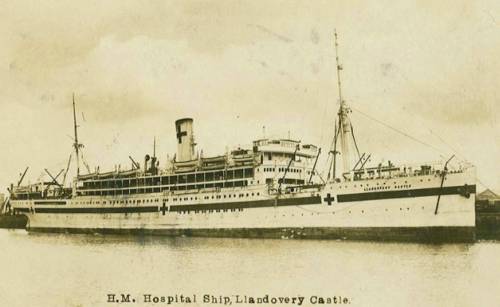
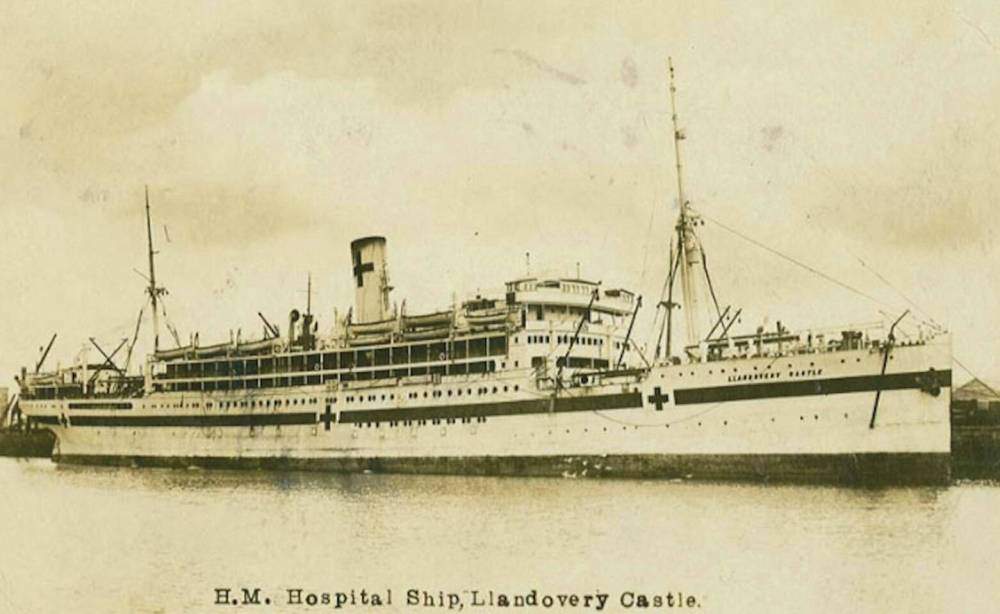
Travelling on the Canadian hospital ship the Llandovery Castle back to England on June 27, 1918, a German submarine, in contravention of international law, sank it with a torpedo near southern Ireland. The German commander then had his sub surface, questioned survivors whether any American pilots were aboard (Germany was still hoping to win the war before the Americans got involved) and, although told there were no pilots on board, proceeded to have his crew shell the lifeboats, attempting to ram several others.
In all, 234 crew members died, including 14 nursing sisters. It was the most significant Canadian naval disaster of the First World War.
The commander was never brought to trial, although two of his junior officers were; their defence of following orders resurfaced after the Second World War at the Nuremberg trials.
Just as disturbing, the German commander also served on a submarine in the Second World War.
Ron Robinson had the good fortune to be born in Canada in 1946.