

Podcast spotlight on human trafficking in Manitoba

Advertisement
Read this article for free:
or
Already have an account? Log in here »
To continue reading, please subscribe:
Digital Subscription
One year of digital access for only $1.44 a week*
- Enjoy unlimited reading on winnipegfreepress.com
- Read the E-Edition, our digital replica newspaper
- Access News Break, our award-winning app
- Play interactive puzzles
*Billed as $5.77 plus GST every four weeks. After 52 weeks, price increases to the regular rate of $19.95 plus GST every four weeks. Offer available to new and qualified returning subscribers only. Cancel any time.
To continue reading, please subscribe:
Add Free Press access to your Brandon Sun subscription for only an additional
$1 for the first 4 weeks*
- Enjoy unlimited reading on winnipegfreepress.com
- Read the E-Edition, our digital replica newspaper
- Access News Break, our award-winning app
- Play interactive puzzles
*Your next Brandon Sun subscription payment will increase by $1.00 and you will be charged $17.95 plus GST for four weeks. After four weeks, your payment will increase to $24.95 plus GST every four weeks.
Read unlimited articles for free today:
or
Already have an account? Log in here »
Hey there, time traveller!
This article was published 18/02/2022 (1703 days ago), so information in it may no longer be current.
Confronting the realities of human trafficking means also shining a spotlight on sexual exploitation in Manitoba.
A new podcast aims to do just that with a deep dive into the issue in collaboration with the Manitoba advocate for children and youth.
Launching Feb. 22, for National Human Trafficking Awareness Day, the seven-part series Inside Human Trafficking in Canada explores sexual exploitation in the province, as part of a wider national problem.
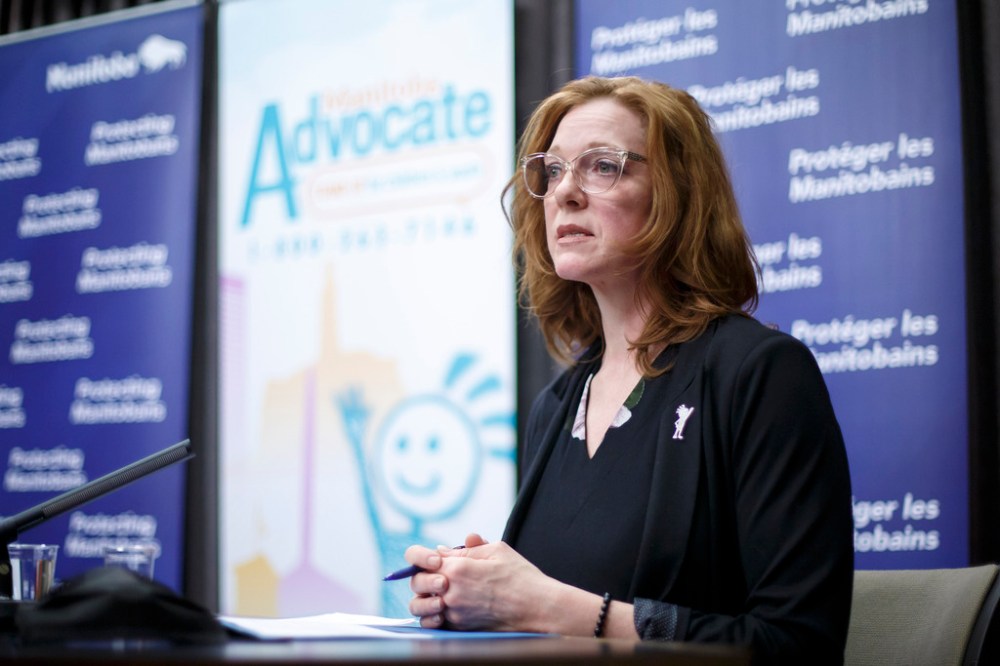
It’s the first serial podcast the advocate’s office has released (in partnership with Ontario-based Youth Troopers for Global Action) and it’s meant to be an easy and educational way for the public to get informed, said acting advocate Ainsley Krone.
The office’s advocacy program hears about youth who are being exploited every day, she said.
“The average Manitoban, who might think that they don’t have any connection to this issue, can actually — through listening to these episodes — probably realize that they’re more connected to it than they thought they were, because it is so prevalent in our province, in our country.”
An estimated 400 youth in Manitoba are trafficked into the sex trade on the streets each year. That only accounts for visible exploitation, but the majority is hidden, often happening online, experts say.
Research has shown those sexually exploited in Manitoba are most likely to be Indigenous girls. The advocate’s office has issued reports on the subject and urged the provincial government to adopt recommendations to help combat it.
Among them: setting up a response protocol for youth who frequently go missing, reforming addictions treatment services for youth, and creating medically-supported withdrawal services and educating service providers on how to spot signs of sexual exploitation in youth.
The government has followed about 58 per cent of the sexual exploitation-related recommendations from the advocate’s office, according to a December 2021 compliance report.

The podcast is meant to explain the issue from a human rights point of view, without having to read through detailed reports. Public education could translate into policy change, Krone said.
“One of the things that we have long-known in our office is that public understanding, community understanding of issues is a critical aspect of moving the government forward on recommendations.”
Manitoba elders with lived experience are featured on one episode. Other episodes of the podcast explore forced labour, forced marriage and children’s rights.
“Our goal… is to help to educate Manitobans about not just how prevalent this issue is, but really that all of us have responsibility in the community to keep children safe. And if this is one thing that’s happening in our community — and it is — then we have an obligation… to learn what we need to learn about it so that we can stop children from being exploited by adults,” Krone said.
katie.may@freepress.mb.ca
Katie May is a multimedia producer for the Free Press.
Our newsroom depends on a growing audience of readers to power our journalism. If you are not a paid reader, please consider becoming a subscriber.
Our newsroom depends on its audience of readers to power our journalism. Thank you for your support.
Katie May is a multimedia producer for the Free Press.
Our newsroom depends on a growing audience of readers to power our journalism. If you are not a paid reader, please consider becoming a subscriber.
Our newsroom depends on its audience of readers to power our journalism. Thank you for your support.
Advertisement Advertise With Us
Advertisement Advertise With Us