COVID coverage for all dries up even as hospital costs rise
Advertisement
Read this article for free:
or
Already have an account? Log in here »
To continue reading, please subscribe:

Digital Subscription
One year of digital access for only $205*
- Enjoy unlimited reading on winnipegfreepress.com
- Read the E-Edition, our digital replica newspaper
- Access News Break, our award-winning app
- Play interactive puzzles
*First annual payment billed as $205.00 + GST for one year. This annual subscription will automatically renew at $233.00 + GST every 52 weeks (10% off the regular annual price of $259.35). Offer available to new and qualified returning subscribers only. Cancel any time.
To continue reading, please subscribe:
Add Free Press access to your Brandon Sun subscription for only an additional
$1 for the first 4 weeks*
- Enjoy unlimited reading on winnipegfreepress.com
- Read the E-Edition, our digital replica newspaper
- Access News Break, our award-winning app
- Play interactive puzzles
*Your next Brandon Sun subscription payment will increase by $1.00 and you will be charged $17.95 plus GST for four weeks. After four weeks, your payment will increase to $24.95 plus GST every four weeks.
Read unlimited articles for free today:
or
Already have an account? Log in here »
Hey there, time traveller!
This article was published 05/05/2022 (1605 days ago), so information in it may no longer be current.
WASHINGTON (AP) — For the first time, the U.S. came close to providing health care for all during the coronavirus pandemic — but for just one condition, COVID-19.
Now, things are reverting to the way they were as federal money for COVID care of the uninsured dries up, creating a potential barrier to timely access.
But the virus is not contained, even if it’s better controlled. And safety-net hospitals and clinics are seeing sharply higher costs for salaries and other basic operating expenses. They fear they won’t be prepared if there’s another surge and no backstop.
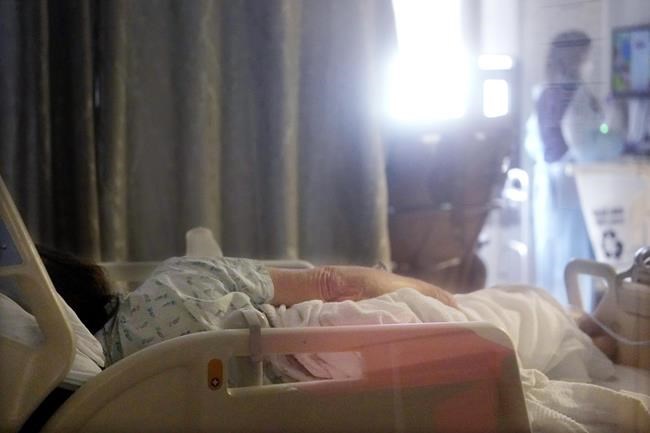
“We haven’t turned anybody away yet,” said Dr. Mark Loafman, chair of family and community medicine at Cook County Health in Chicago. “But I think it’s just a matter of time … People don’t get cancer treatment or blood pressure treatment every day in America because they can’t afford it.”
A $20 billion government COVID program covered testing, treatment and vaccine costs for uninsured people. But that’s been shut down. Special Medicaid COVID coverage for the uninsured in more than a dozen states also likely faces its last months.
At Parkland Health, the frontline hospital system for Dallas, Dr. Fred Cerise questions the logic of dialing back federal dollars at a time when health officials have rolled out a new “test-to-treat” strategy. People with COVID-19 can now get antiviral pills to take at home, hopefully avoiding hospitalization. Vice President Kamala Harris, who recently tested positive but is back working at the White House, is an example.
“Test-to-treat will be very difficult for uninsured individuals,” predicted Cerise, president and CEO of the system. “If it’s a change in strategy on the large scale, and it’s coming without funding, people are going to be reluctant to adopt that.”
Officials at the federal Department of Health and Human Services say the new antiviral drugs like Paxlovid have been paid for by taxpayers, and are supposed to be free of charge to patients, even uninsured ones.
But they acknowledge that some uninsured people can’t afford the medical consultation needed to get a prescription. “We hear from state and local partners that the lack of funding for the Uninsured Program is creating challenges for individuals to access medications,” said Dr. Meg Sullivan, chief medical officer for the HHS preparedness and response division.
The nation has not pinched pennies on the pandemic before.
“We’re well short of universal health coverage in the U.S., but for a time, we had universal coverage for COVID,” said Larry Levitt, a health policy expert with the nonpartisan Kaiser Family Foundation. “It was extraordinary.”
Recently an urgent White House request for $22.5 billion for COVID priorities failed to advance in Congress. Even a pared-back version is stuck. Part of the Biden administration’s request involves $1.5 billion to replenish the Uninsured Program, which paid for testing, treatment and vaccine-related bills for uninsured patients. The program has now stopped accepting claims due to lack of money.
That program, along with a less known Medicaid option for states, allowed thousands of uninsured people to get care without worrying about costs. Bipartisan support has given way as congressional Republicans raise questions about pandemic spending.
The Uninsured Program was run by the Health Resources and Services Administration, an HHS agency. Medical providers seeing uninsured people could submit their bills for reimbursement. Over the last two years, more than 50,000 hospitals, clinics, and medical practices received payments. Officials say they can turn the program back on if Congress releases more money.
The Medicaid coverage option began under the Trump administration as a way to help states pay for testing uninsured people. President Joe Biden’s coronavirus relief bill expanded it to treatment and vaccine costs as well. It’s like a limited insurance policy for COVID. The coverage can’t be used for other services, like a knee replacement. The federal government pays 100% of the cost.
Fifteen states, from deep blue California to bright red South Carolina, have taken advantage of the option, along with three U.S. territories. It will end once the federal coronavirus public health emergency is over, currently forecast for later this year.
New Hampshire Medicaid Director Henry Lipman said the coverage option allowed his state to sign up about 9,500 people for COVID care that includes the new antiviral drugs that can be taken at home.
“It’s really the safety net for people who don’t have any access to insurance,” said Lipman. “It’s a limited situation, but in the pandemic it’s a good back-up to have. It makes a lot of sense with such a communicable disease.”
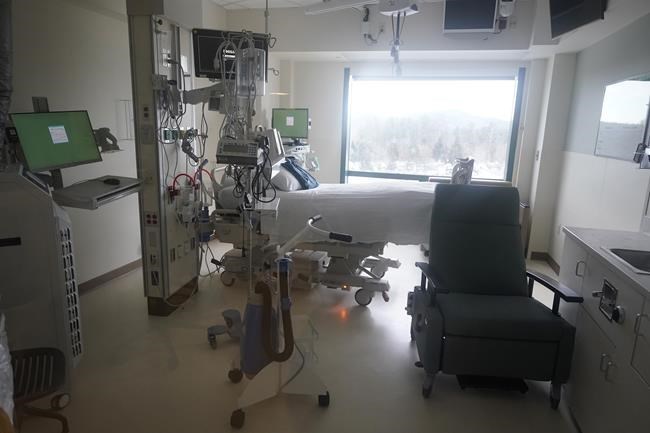
With COVID cases now at relatively low levels, demand for testing, treatment and vaccination is down. But the urgency felt by hospitals and other medical service providers is driven by their own bottom lines.
In Missouri, Golden Valley Memorial Healthcare CEO Craig Thompson is worried to see federal funding evaporate just as operating costs are soaring. Staff have gotten raises, drug costs have risen by 20% and supply costs by 12%.
“We’ve now exited this pandemic … into probably the highest inflationary environment that I’ve seen in my career,” Thompson said. The health system serves a largely rural area between Kansas City and Springfield.
In Kentucky, Family Health Centers of Louisville closed a testing service for uninsured people once federal funds dried up. The private company they were working with planned to charge $65 a test.
Things are manageable now because there’s little demand, said spokeswoman Melissa Mather, “but if we get hit with another omicron, it’s going to be very difficult.”
Floridian Debra McCoskey-Reisert is uninsured and lost her older brother to COVID-19 in the first wave two years ago. In one of their last conversations, he made her promise she wouldn’t catch the virus.
McCoskey-Reisert, who lives north of Tampa, has managed to avoid getting sick so far. But she’s overshadowed by fear of what could happen if she or her husband get infected.

“If either one of us get sick with COVID, we don’t have a way to pay for it,” she said. “It would likely bankrupt us if we can’t find some other help.”
Retrenchment on the uninsured mirrors some of the bigger problems of the U.S. health care system, said Chicago hospital physician Loafman.
“Quite frankly, we as a society take care of the uninsured for COVID because it’s affecting us,” he said. “You know, a gated community doesn’t keep a virus out … that’s sort of the ugly truth of this, is that our altruism around this was really self-motivated.”
___
Hollingsworth reported from Mission, Kansas.