In tune with the heartbeat of Mother Earth
Advertisement
Read this article for free:
or
Already have an account? Log in here »
To continue reading, please subscribe:
Digital Subscription
One year of digital access for only $1.44 a week*
- Enjoy unlimited reading on winnipegfreepress.com
- Read the E-Edition, our digital replica newspaper
- Access News Break, our award-winning app
- Play interactive puzzles
*Billed as $5.77 plus GST every four weeks. After 52 weeks, price increases to the regular rate of $19.95 plus GST every four weeks. Offer available to new and qualified returning subscribers only. Cancel any time.
To continue reading, please subscribe:
Add Free Press access to your Brandon Sun subscription for only an additional
$1 for the first 4 weeks*
- Enjoy unlimited reading on winnipegfreepress.com
- Read the E-Edition, our digital replica newspaper
- Access News Break, our award-winning app
- Play interactive puzzles
*Your next Brandon Sun subscription payment will increase by $1.00 and you will be charged $17.95 plus GST for four weeks. After four weeks, your payment will increase to $24.95 plus GST every four weeks.
Read unlimited articles for free today:
or
Already have an account? Log in here »
Hey there, time traveller!
This article was published 25/07/2022 (1545 days ago), so information in it may no longer be current.
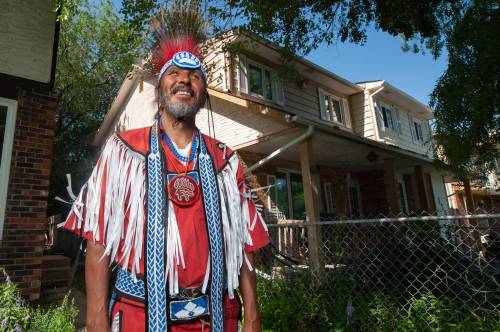
David Budd remembers when there were no powwows in his community of Fisher River Cree Nation.
After moving to Winnipeg as an adult, Budd, who works for the Ma Mawi Wi Chi Itata Centre as a youth cultural worker, attended his first powwow, an event the 61-year-old remembers vividly.
“I heard that drum for the first time and I went home and I cried,” Budd said. “Years later, some of the elders said that’s like blood memory. There’s a connection between that drum and the heartbeat of Mother Earth.”
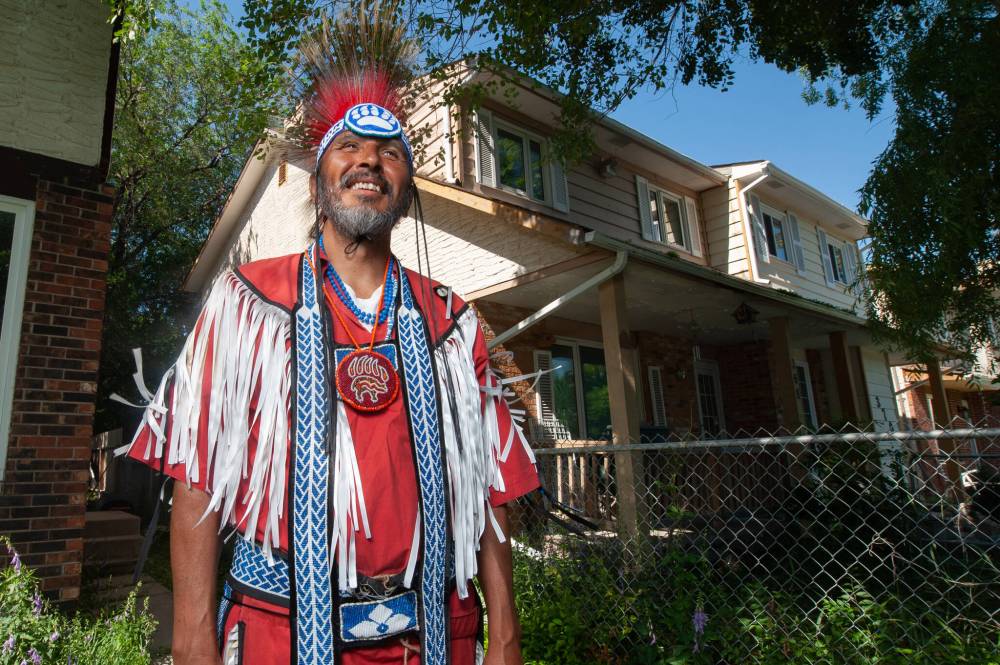
When he was in his 30s, Budd began dancing in powwows as a way to reclaim his culture. He no longer dances in powwows —the drumbeat has since outpaced his feet — but attends them with pride each year.
Each year, powwow season brings Indigenous peoples together in celebration. People travel far and wide to sing, drum, dance and share traditions in their home communities.
“There are many people who do not live in the communities but are still obviously in our traditional lands,” Grand Chief Jerry Daniels of the Southern Chiefs Organization said. “They travel throughout Turtle Island and go to the farthest reaches of these lands in order to hear the drums that they love, to hear the songs they love, and to see their families who they may not have seen for quite some time.”
Although the pandemic prompted many communities to halt celebrations for two years, they’ve now returned.
“People are really happy now that we’re able to get together,” Daniels said. “It’s a time when our citizens can gather together in celebration and share songs, share dance and share time together.”
The word “powwow” is believed to stem from the word “pau wau” from the Algonquin language, roughly translating to “he or she dreams.”
For years, powwows were repressed; the 1876 Indian Act placed restrictions on Indigenous cultural ceremonies and the wearing of regalia.
“For a long time, they were outlawed. Dance and song were relegated to the insides of our forests and our bushes,” Daniels said.
The effects were lasting. Budd describes Fisher River as a once heavily Christianized reserve, where students were convinced their traditions were buried in the past.
“When I was going to school, we only had white teachers on the reserve. They were saying ‘there’s nothing left of your culture,’ like they wanted us to fully assimilate,” Budd said.
But the powwow prevailed.
“When I heard that drum, I grabbed it. I said ‘I found something, it’s not dead!’” Budd said.
By the 1960s, a powwow resurgence had started. Over the years, powwows expanded to celebrate the accomplishments of Indigenous students.
Three decades ago, a University of Manitoba student named Margaret King had the desire to bring Indigenous culture to the university and honour First Nations, Métis and Inuit graduates. King worked alongside Kali Storm, a native student adviser, and committee members Earl Hall and Shannon Pelletier to establish the university’s first graduation powwow.
Elder Carl Stone has been attending the university’s graduation powwow since its inception in 1989. Today, there are dozens of graduation powwows hosted at secondary and post-secondary institutions across the province.
“Back then, you got to know that we were just returning to our cultural roots,” Stone said. “Over the last 30 years, 40 years, there are celebrations across Canada every weekend now.”
Stone first participated as a drummer and walked across the podium in 1995 when he graduated from the institution.
“I attended the graduation powwow for me, when I got my undergrad, and that was a rich experience in itself. Then when I attended convocation, that was a wonderful event in itself as well,” Stone said. “Both combined to a rich feeling of accomplishment by both the community and the institution.”

In May, the U of M hosted its 33rd annual graduation powwow to celebrate the accomplishments of hundreds of Indigenous graduates.
There are a few things people attending their first powwow should know ahead of time. Touching regalia without permission is considered disrespectful, Stone said. When in doubt, don’t hesitate to ask questions.
“Try to enjoy the music and the songs. Greet people, introduce yourself to people,” Daniels said.
For many Indigenous people, powwows are a reminder of survival. A ceremony that was once repressed by the state now thrives in fields, gymnasiums and forests across the land. It’s a time to sing, dance, and share traditions between generations.
cierra.bettens@freepress.mb.ca