

Putin and Xi plan to meet again, as relations with West fray
Advertisement
Read this article for free:
or
Already have an account? Log in here »
To continue reading, please subscribe:

Digital Subscription
One year of digital access for only $205*
- Enjoy unlimited reading on winnipegfreepress.com
- Read the E-Edition, our digital replica newspaper
- Access News Break, our award-winning app
- Play interactive puzzles
*First annual payment billed as $205.00 + GST for one year. This annual subscription will automatically renew at $233.00 + GST every 52 weeks (10% off the regular annual price of $259.35). Offer available to new and qualified returning subscribers only. Cancel any time.
To continue reading, please subscribe:
Add Free Press access to your Brandon Sun subscription for only an additional
$1 for the first 4 weeks*
- Enjoy unlimited reading on winnipegfreepress.com
- Read the E-Edition, our digital replica newspaper
- Access News Break, our award-winning app
- Play interactive puzzles
*Your next Brandon Sun subscription payment will increase by $1.00 and you will be charged $17.95 plus GST for four weeks. After four weeks, your payment will increase to $24.95 plus GST every four weeks.
Read unlimited articles for free today:
or
Already have an account? Log in here »
Hey there, time traveller!
This article was published 07/09/2022 (1466 days ago), so information in it may no longer be current.
MOSCOW – Russian President Vladimir Putin and Chinese President Xi Jinping are expected to meet next week in Uzbekistan for talks that could signal warming relations between two powers that are increasingly facing off against the West.
The meeting at the Shanghai Cooperation Organization — a political, economic and security forum that China and Russia dominate — comes at delicate times for both leaders, and it would be their second face-to-face meeting this year.
Putin is dealing with the economic and political fallout of his war in Ukraine that has left Russia more isolated — and defiant. Xi faces rising tensions with the West over the status of Taiwan and China’s treatment of Uyghurs and other mostly Muslim ethnic groups.
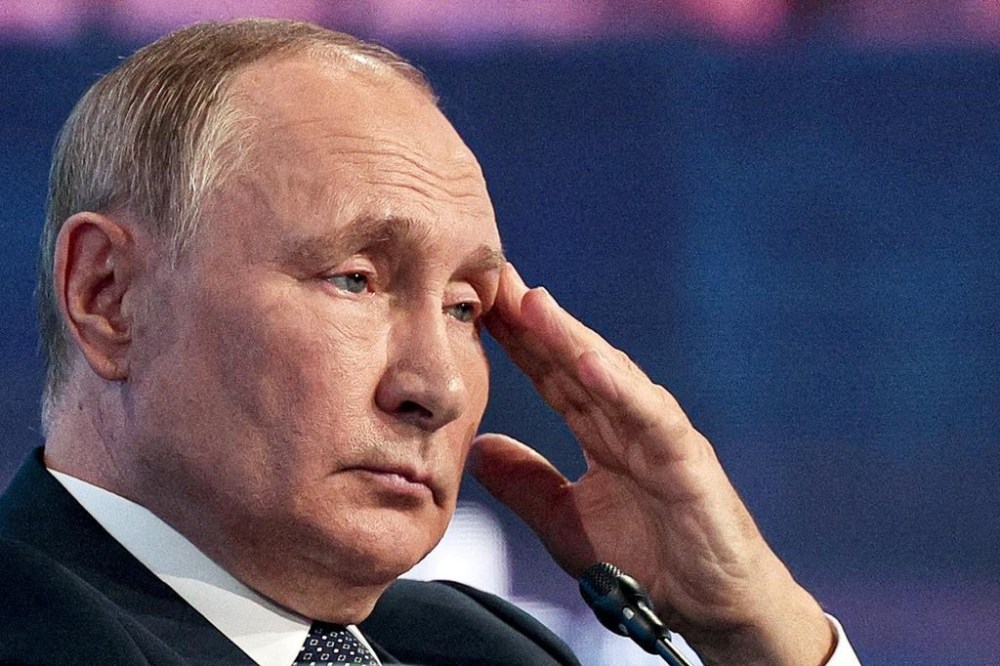
Russia’s ambassador to China told reporters Wednesday that the two would meet in the Uzbek city of Samarkand on Sept. 15-16. Then Putin confirmed it himself, telling top Chinese legislator Li Zhanshu at an economic forum in Russia that “we will see each other with President Xi Jinping soon, I hope, in Samarkand, Uzbekistan.”
The visit to Uzbekistan, if it goes ahead, would be part of Xi’s first foreign trip in 2 1/2 years. Xi has only left mainland China once — to make a one-day visit to the semi-autonomous city of Hong Kong — since the COVID-19 outbreak exploded in early 2020.
When asked about the trip at a daily briefing, a Chinese Foreign Ministry spokesperson said: “On your question, I have nothing to offer.”
Russia and China have increasingly aligned their foreign policies to oppose liberal democratic forces in Asia, Europe and beyond, making a stand for authoritarian rule with tight borders and little regard for free speech, minority rights or opposition politics.
The Russian military held sweeping military drills that ended Wednesday in the country’s east that involved forces from China, another show of increasingly close ties between the two. And on Tuesday, the Pentagon said the Russian Ministry of Defense was in the process of purchasing millions of rockets and artillery shells from North Korea, a close ally of China, for its ongoing fight in Ukraine.
Experts say the Russian and Chinese leaders may be hoping that another meeting with each other will help bolster their standing at home and abroad.
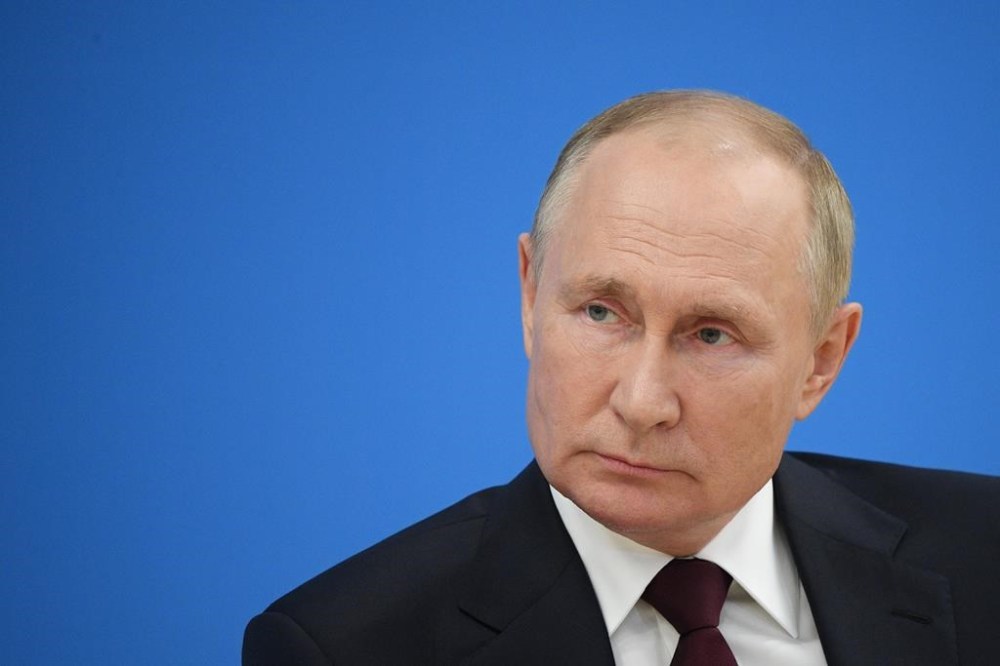
For Putin, it’s an opportunity to show that he still has powerful allies, said Alexander Gabuev, senior fellow at the Carnegie Endowment for International Peace. “How can you isolate Russia, when China stands back to back with it?” Gabuev said.
For Xi, it could be a chance to be seen as standing up to Western opposition to the Ukraine war and burnish his nationalist credentials at a time when relations with the U.S. have grown increasingly tense over trade, technology, human rights issues and its threats to attack Taiwan.

“It is a very important signal that China will not give in to the pressure of countries that are trying to make Putin and Russia a pariah country,” Gabuev said.
Coming just ahead of China’s party congress, the overseas visits would also show Xi as confident of his position. Xi is seeking a third five-year term as Communist Party leader. While he’s expected to secure it, that would represent a break with precedent.
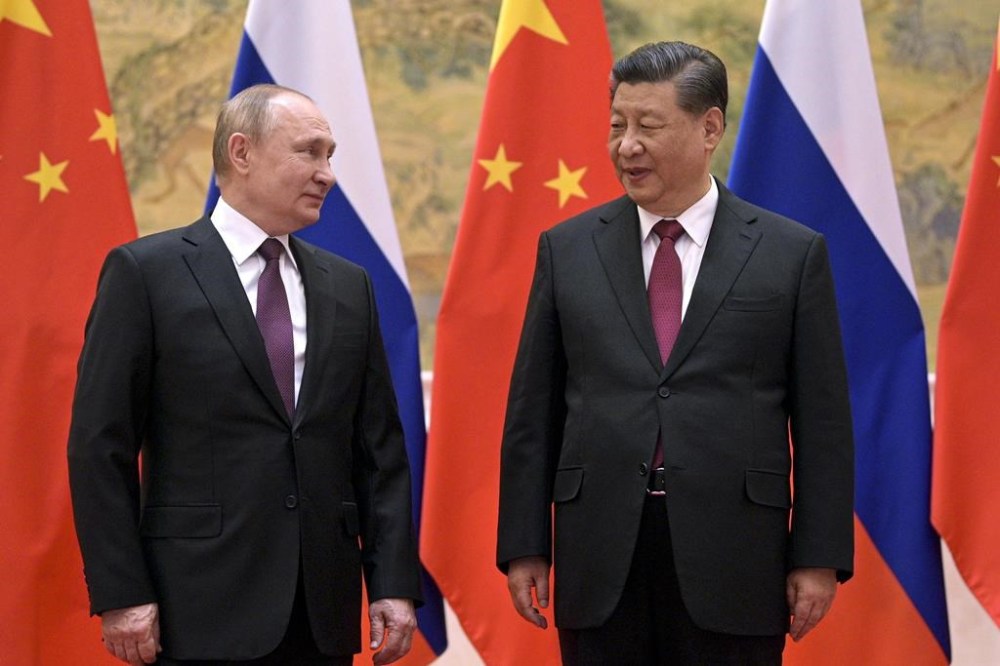
Putin and Xi last met at the Olympics in Beijing in February, weeks before the Kremlin sent troops into Ukraine. The two presidents oversaw the signing of an agreement pledging that relations between the sides would have “no limits.” It remains unclear whether Xi knew at the time of Russia’s plans to invade Ukraine.
While offering its tacit support for Russia’s campaign there, China has sought to appear neutral and avoid possible repercussions from supporting the Russian economy amid international sanctions.
Even though Moscow and Beijing in the past rejected the possibility of forging a military alliance, Putin has said that such a prospect can’t be ruled out. He also has noted that Russia has been sharing highly sensitive military technologies with China that helped significantly bolster its defense capability.
Related Articles
Shelling resumes near Ukraine nuclear plant, despite risks
Advertisement Advertise With Us
Advertisement Advertise With Us