

Fight for freedom
Macintyre’s detailed account of Allied prisoners at Colditz castle a riveting page-turner
Advertisement
Read this article for free:
or
Already have an account? Log in here »
To continue reading, please subscribe:
Monthly Digital Subscription
$1 per week for 24 weeks*
- Enjoy unlimited reading on winnipegfreepress.com
- Read the E-Edition, our digital replica newspaper
- Access News Break, our award-winning app
- Play interactive puzzles
*Billed as $4.00 plus GST every four weeks. After 24 weeks, price increases to the regular rate of $19.95 plus GST every four weeks. Offer available to new and qualified returning subscribers only. Cancel any time.
Monthly Digital Subscription
$4.99/week*
- Enjoy unlimited reading on winnipegfreepress.com
- Read the E-Edition, our digital replica newspaper
- Access News Break, our award-winning app
- Play interactive puzzles
*Billed as $19.95 plus GST every four weeks. Cancel any time.
To continue reading, please subscribe:
Add Free Press access to your Brandon Sun subscription for only an additional
$1 for the first 4 weeks*
*Your next subscription payment will increase by $1.00 and you will be charged $16.99 plus GST for four weeks. After four weeks, your payment will increase to $23.99 plus GST every four weeks.
Read unlimited articles for free today:
or
Already have an account? Log in here »
Hey there, time traveller!
This article was published 29/10/2022 (1266 days ago), so information in it may no longer be current.
During the past 70 years, numerous books, movies and TV shows have told the story of the notorious German prison castle, Colditz, and the ingenious attempts of the Allied prisoners of war to escape from it. Nevertheless Ben Macintyre, bestselling author of tales of soldiers and spies such as A Spy Among Friends and Operation Mincemeat, believes he has something new to add.
For Macintyre, the familiar story of upper-class, white, cool customers with stiff upper lips bravely tunnelling under the noses (and the feet) of their unimaginative German captors creates a false impression that “prison camp life was relentlessly upbeat, full of boyish enthusiasm, comic interludes and plucky high spirits.”
Macintyre’s research revealed that divisions of class, politics, sexuality and race among the British, Canadian, French and Polish prisoners had usually been excluded from the books and movies because they did not fit the heroic mold.
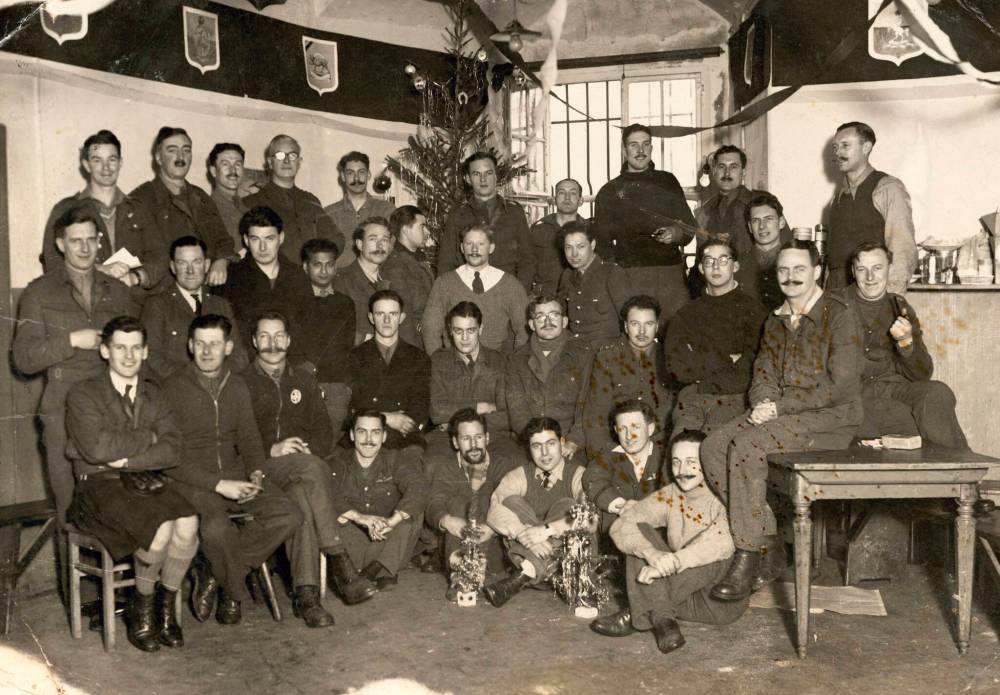
Australian War Memorial
Prisoners of war gather for a photo on Christmas Day 1943.
Brazen snobbery was rife among the British contingent. The top tier included a nephew of Winston Churchill and some distant relatives of the Royal family. With a nod to Oxford, they called themselves the Bullingdon Club.
At the other extreme were private soldiers, usually working-class, who comprised about half of the British prisoners. Their function was not to participate in escape attempts, but to serve the officers as orderlies. Under the Geneva Convention, every captured officer had the right to be attended by an orderly just as if he were free.
One of the most famous prisoners in Colditz was the legendary Wing Commander Douglas Bader. In spite of losing both legs in an accident, he became an ace fighter pilot before being shot down over France.
In appalling detail, Macintyre tells of Bader’s exploitation of his orderly, Alex Ross. At one point, Ross was given the opportunity to be released as part of a prisoner exchange. Bader ordered him to remain. If Bader would not be freed neither would his “lackey.” Ross spent another two years in prison caring for Bader. Macintyre accurately describes Bader as a total hero and a complete bastard.
Unfortunately, the officers were more likely to keep diaries and write books than the privates. In spite of Macintyre’s intentions, the experiences of the orderlies do not come alive as much as “the boyish enthusiasms” of their masters. Many readers would surely like to know more about Pte. Doherty, who organized a strike of the orderlies that ended only when Doherty was transferred to another prison camp. The strike gets only one page, and Doherty does not even get a full name.

Justine Stoddart photo
Author Ben Macintyre
One prisoner Macintyre does bring vividly to life is Dr. Birendranath Mazumdar. Born in India, he was in London when the war broke out. Although he, not surprisingly, believed India should be governed by Indians and not the British, he volunteered for the Royal Army Medical Corps.
When Capt. Mazumdar ended up in Colditz, the other British officers treated him as racially inferior and probably a traitor to the British Empire. A man of heroic integrity, Mazumdar steadfastly honoured what he saw as his duty as a British officer. After many harrowing experiences, he escaped only to face a British court-martial on a trumped-up charge of theft.
Macintyre may have done the impossible — he has taken a topic that seems overfamiliar and revived it as a gripping human epic. He gives us page after page of amazing feats: the spy ring run from within the castle by a Jewish dentist, Capt. Julius Green, transmitting valuable information encoded in “family” letters; a British intelligence department dedicated to smuggling escape equipment, including a compass small enough to be hidden in a walnut (buy the book to find out how H. Upmann cigar tubes came in handy); and a glider secretly built from bed slats and floorboards.
Few action novels can rival the tension of the closing chapters. In the murderous chaos of the last days of the Third Reich, with liberation almost at hand, the Bullingdon Club members are kidnapped as hostages by a drunken SS general, a Swiss Red Cross representative races to save them and the prisoners of Colditz prepare to make a last-ditch stand against a malignant SS regiment.
Talk about cool customers.
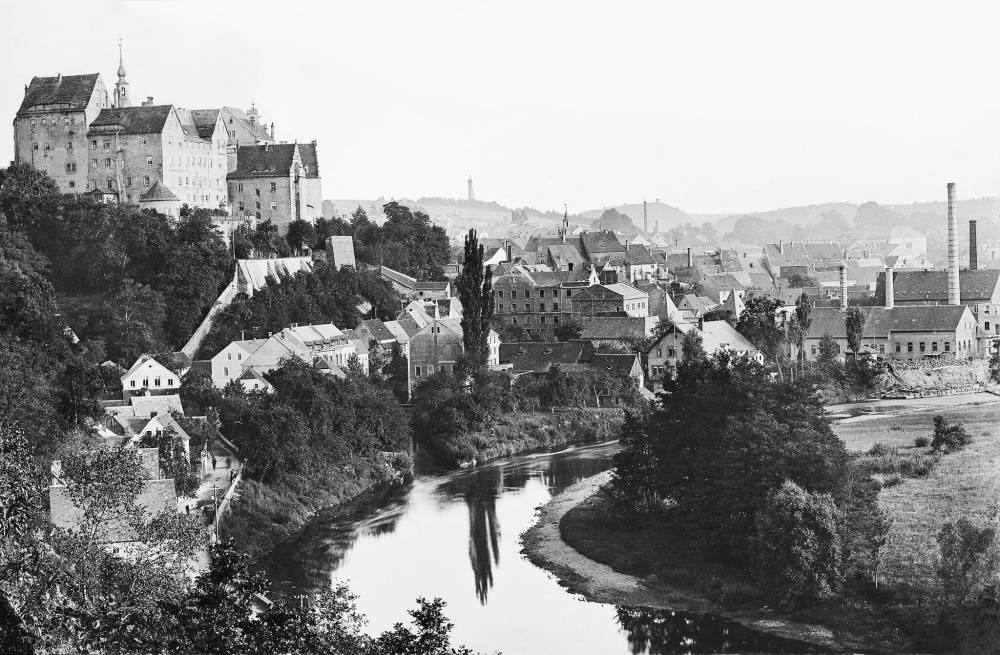
SLUB Dresden Deutsche Fotohek Bruck und Sohn
Colditz castle, seen here before the Second World War, was a castle in the German district of Liepzig which served as a prisoner of war camp for Allied officers.
Winnipegger John K. Collins can’t believe that Douglas Bader was not as nice as Kenneth More.
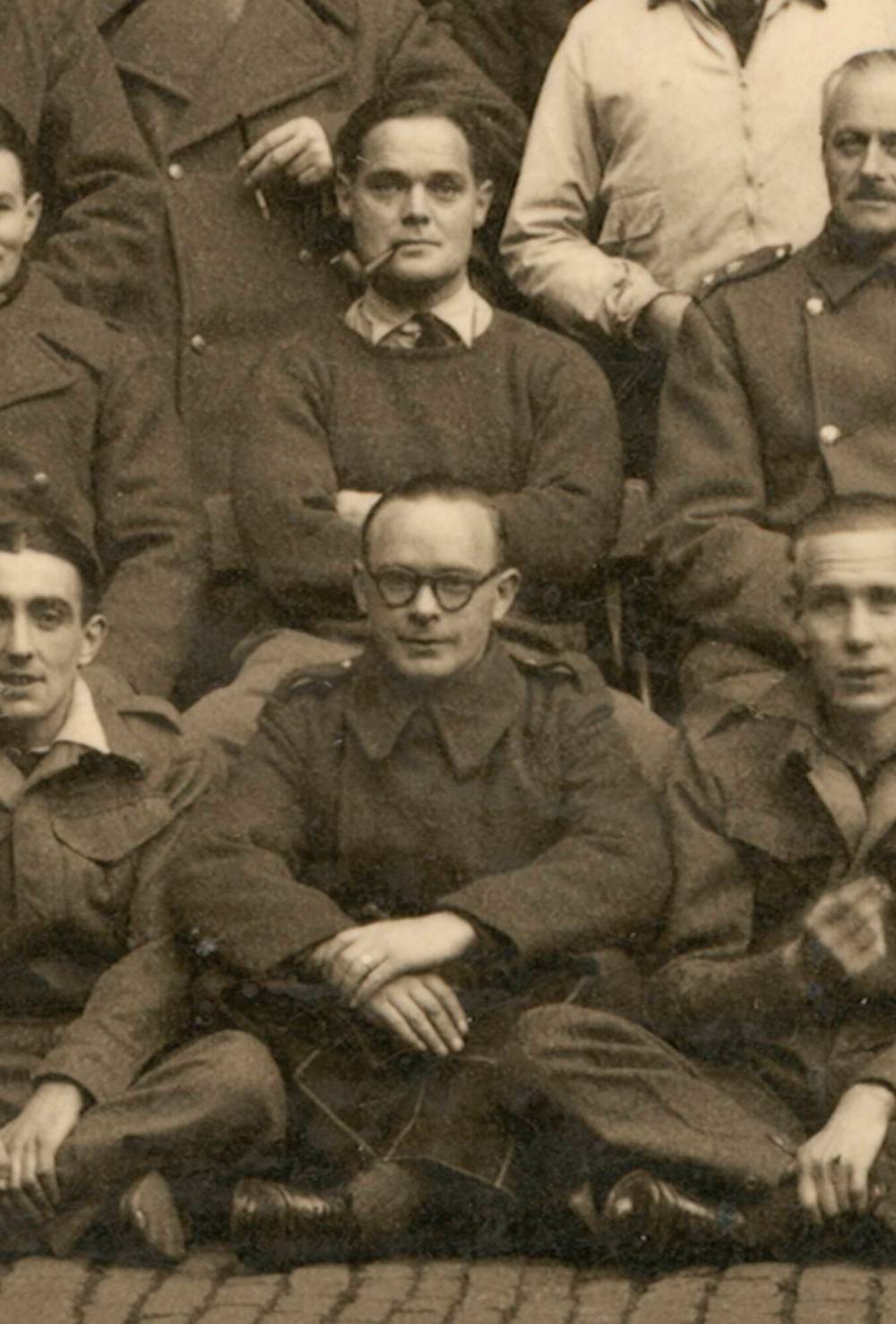
Australian War Memorial
Douglas Bader (top) and Alex Ross.

Staatliche Schlosser Burgen und Garten Sachsen gGmbH Schloss Colditz
Born in India, Dr. Birendranath Mazumdar volunteered for the Royal Army Medical Corps. When he ended up in Colditz, the other British officers treated him as racially inferior and probably a traitor to the British Empire.
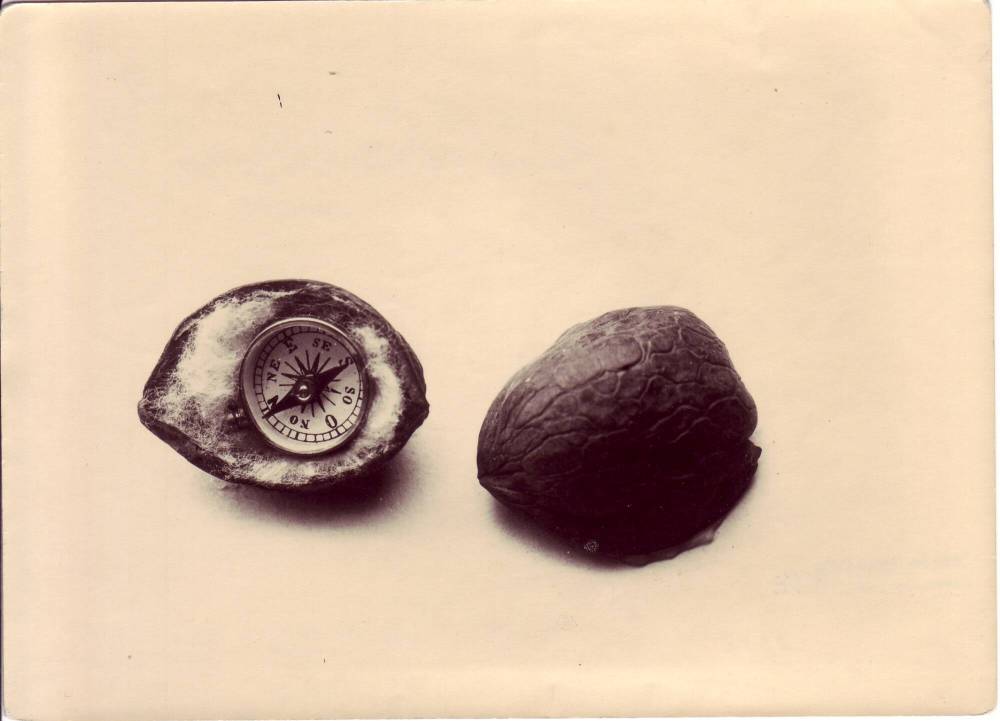
Staatliche Schlosser Burgen und Garten Sachsen gGmbH Schloss Colditz
A compass hidden in the shell of a walnut.
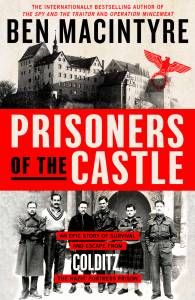
Prisoners of the Castle: An Epic Story of Survival and Escape from Colditz, the Nazis’ Fortress Prison
By Ben Macintyre
McClelland & Stewart, 368 pages, $36
Buy on mcnallyrobinson.com
Advertisement Advertise With Us
Advertisement Advertise With Us