History in focus
Old photographs provide valuable insight into Ukrainian diaspora in Canada
Advertisement
Read this article for free:
or
Already have an account? Log in here »
To continue reading, please subscribe:

Digital Subscription
One year of digital access for only $205*
- Enjoy unlimited reading on winnipegfreepress.com
- Read the E-Edition, our digital replica newspaper
- Access News Break, our award-winning app
- Play interactive puzzles
*First annual payment billed as $205.00 + GST for one year. This annual subscription will automatically renew at $233.00 + GST every 52 weeks (10% off the regular annual price of $259.35). Offer available to new and qualified returning subscribers only. Cancel any time.
To continue reading, please subscribe:
Add Free Press access to your Brandon Sun subscription for only an additional
$1 for the first 4 weeks*
- Enjoy unlimited reading on winnipegfreepress.com
- Read the E-Edition, our digital replica newspaper
- Access News Break, our award-winning app
- Play interactive puzzles
*Your next Brandon Sun subscription payment will increase by $1.00 and you will be charged $17.95 plus GST for four weeks. After four weeks, your payment will increase to $24.95 plus GST every four weeks.
Read unlimited articles for free today:
or
Already have an account? Log in here »
Hey there, time traveller!
This article was published 19/11/2022 (1406 days ago), so information in it may no longer be current.
Canada is home to the third-largest Ukrainian diaspora in the world, now being enlarged by thousands of refugees fleeing the most recent war in a homeland marked by centuries of deadly conflict.
Readers who identify with this diaspora will find the memoirs and memories making up this aptly titled family chronicle especially meaningful, given its engaging and often endearing narratives that frequently use Ukrainian terms such as Baba (Grandma) and Dido (Grandpa). But there is also universal appeal in a balanced approach to controversies still surrounding the reasons for Ukraine’s torturous history.
Myrna Kostash’s Ghosts in a Photograph is an immigrant — or settler — story about the first wave of “sheepskin-coated” homesteaders who came to a new land in the decades preceding the First World War, but it also offers a window into the lives of family members who remained in the “old country.”
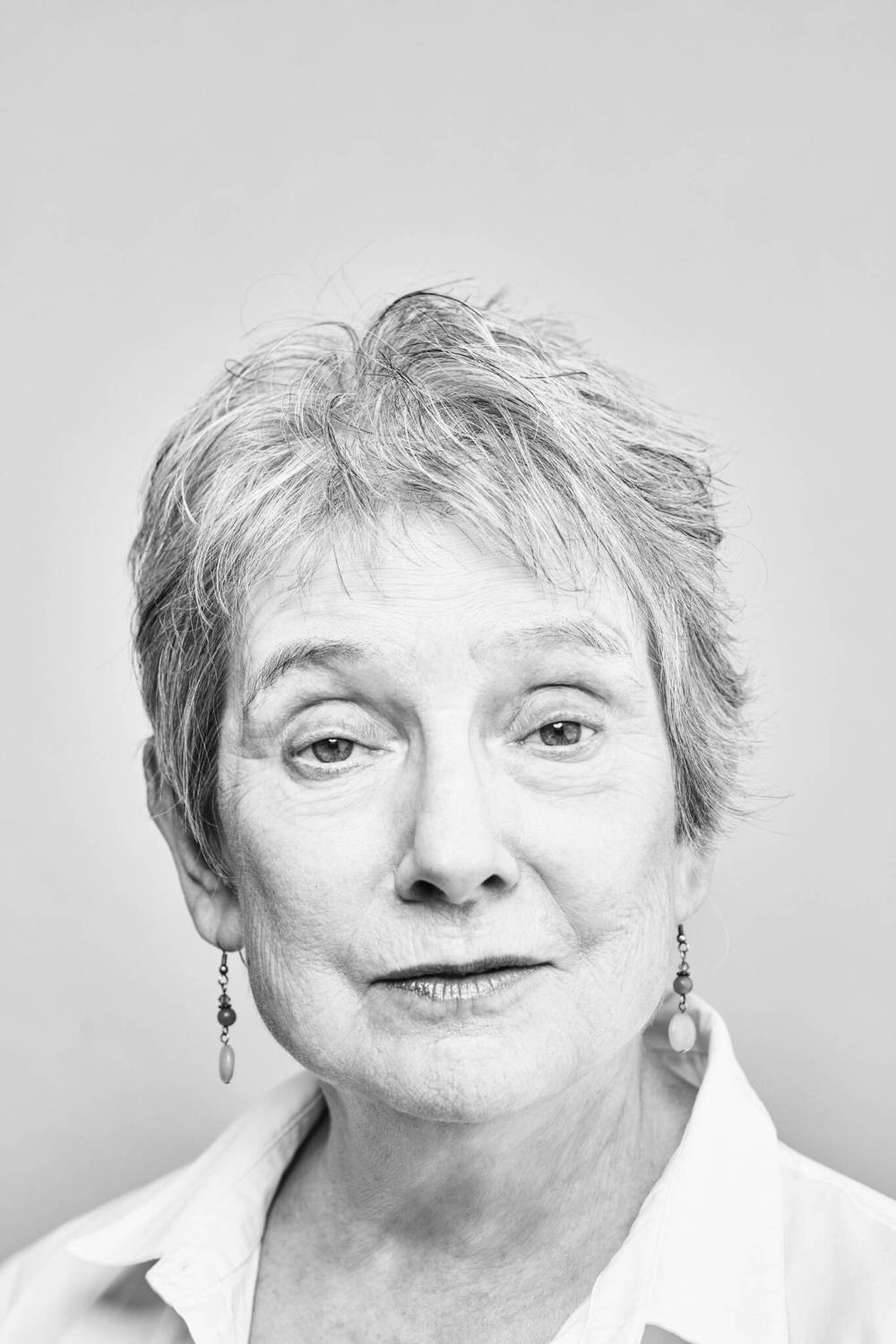
Markian Lozowchuk photo
Photos and words by Myrna Kostash’s kin help her craft a narrative of deprivation and toil.
Commonly called “Galicia” prior to inclusion as a “Ukrainian Socialist Republic” following the 1917 Russian Revolution, which ended centuries of autocratic Tsarist rule, this is the homeland of kin who bore witness to 75 years of communism and a series of cataclysmic events such as two world wars and the emergence of a sovereign state in 1992.
The author of this richly detailed and well-documented familial story carries a family name shortened from the original “Kostashchuk,” a name-changing tactic common amongst eastern European immigrants during the “Red Scare” that followed Communist successes in Europe.
Kostash is writer-in-residence at Athabasca University and an award-winning, prolific non-fiction writer whose works include the classic All of Baba’s Children, continuously printed since 1977, and Prodigal Daughter: A Journey to Byzantium (2010), which explores her lifelong interest in Eastern Christianity.
Her newest book reveals how old family photos, which sharpened memories of her grandparent’s homestead, together with stories told by long-deceased family members to still-living kin, helped construct engaging narratives of deprivation and toil that followed an opportunity to own 160 acres of virgin land northeast of Edmonton.
A common theme runs through these narratives: acquiring new, unsettled lands so children could have a better life, admirable and selfless acts that Kostash now understands came at a high price to the country’s original inhabitants.
Indigenous groups, well aware of the part played by settlers like Kostash’s kin in the eventual loss of their lands, are likely to dismiss the “grief, anguish, outrage, shame” she claims to feel now that the long, slow road to reconciliation has begun.
Other narratives inspired by faded, casual pictures and framed formal portraits alike combine with Kostash’s scholarly assessment of historical events that occurred when the pictures were taken, exposing contrary religious views and political allegiances deeply engrained within her Ukrainian familial circles in Canada and still commonplace in Ukraine, where stories of antisemitic pogroms and mass executions still resonate.
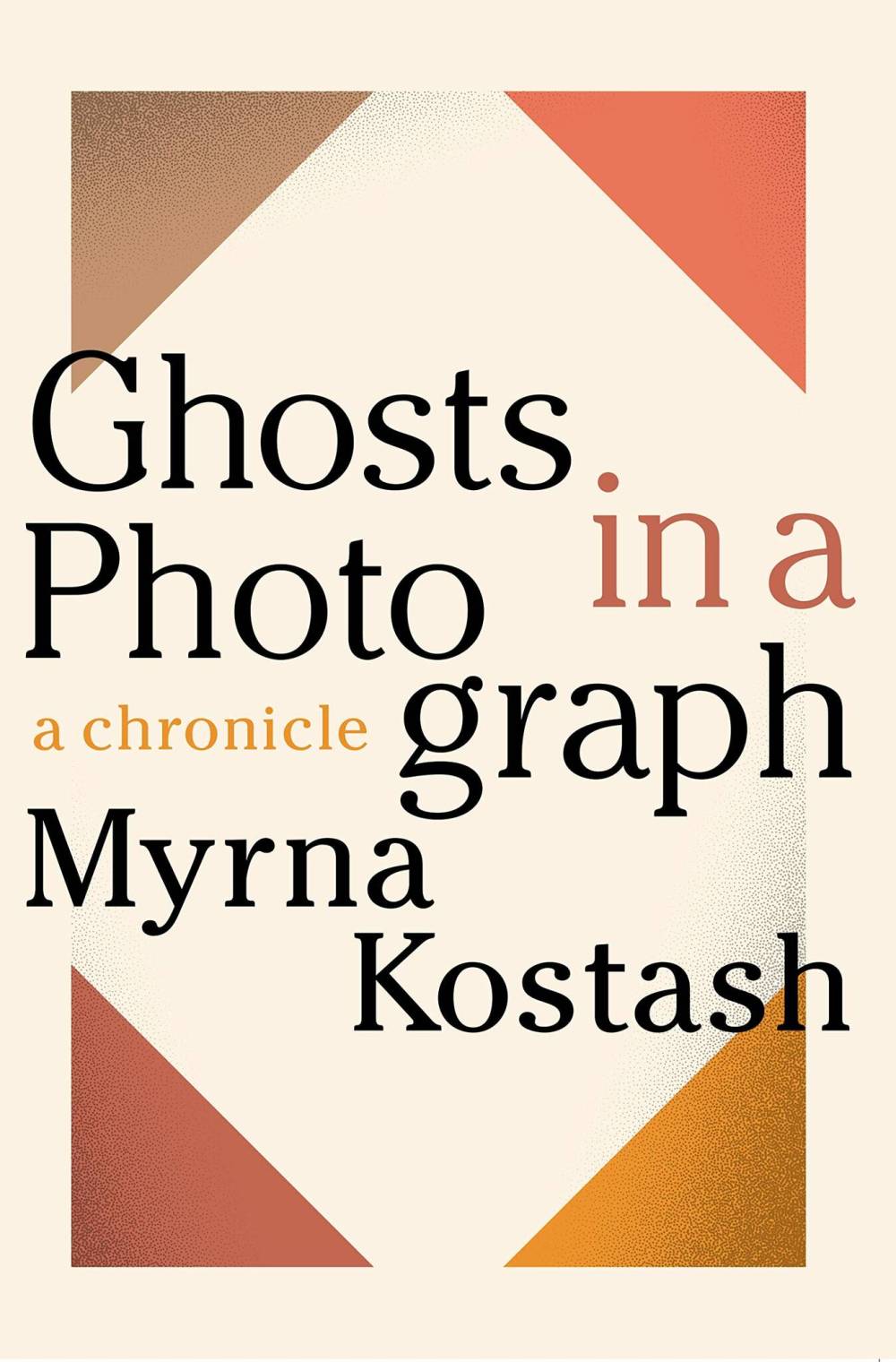
Ghosts in a Photograph
Her Dido, she writes, “was a socialist, never a Communist, although he passionately defended the achievements of the Soviet Union made in the name of the working class,” then recounts her discovery of pictures found in a book in an Edmonton library where an image of a man with “a rakishly tipped cap” — à la Marlon Brando in the movie The Wild One — turned out to be a direct relative named Stepan Kostaschuk, proud member of a much-feared Ukrainian Insurgent Army that fought against Soviet sympathizers during and after the Second World War.
Pictures even lead to a realization that a great uncle in Ukraine who had voiced strong political views had “disappeared” — likely murdered — shortly after Hitler’s defeat, and even trips to Ukraine as part of a genealogical quest can’t provide definitive proof whether he was killed by Communist sympathizers who doubted his loyalty, or by Ukrainian ultra-nationalists.
Those fortunate to read Kostash’s book will reach their own conclusions about the process that helped transform Western Canada into an agricultural hub, while pondering past events which have precipitated yet another deadly war in Ukraine.
Joseph Hnatiuk is a retired teacher whose kin were also “sheepskin-coated” immigrants.