Judge: Netflix’s ‘Making a Murderer’ didn’t defame detective
Advertisement
Read this article for free:
or
Already have an account? Log in here »
To continue reading, please subscribe:

Digital Subscription
One year of digital access for only $205*
- Enjoy unlimited reading on winnipegfreepress.com
- Read the E-Edition, our digital replica newspaper
- Access News Break, our award-winning app
- Play interactive puzzles
*First annual payment billed as $205.00 + GST for one year. This annual subscription will automatically renew at $233.00 + GST every 52 weeks (10% off the regular annual price of $259.35). Offer available to new and qualified returning subscribers only. Cancel any time.
To continue reading, please subscribe:
Add Free Press access to your Brandon Sun subscription for only an additional
$1 for the first 4 weeks*
- Enjoy unlimited reading on winnipegfreepress.com
- Read the E-Edition, our digital replica newspaper
- Access News Break, our award-winning app
- Play interactive puzzles
*Your next Brandon Sun subscription payment will increase by $1.00 and you will be charged $17.95 plus GST for four weeks. After four weeks, your payment will increase to $24.95 plus GST every four weeks.
Read unlimited articles for free today:
or
Already have an account? Log in here »
Hey there, time traveller!
This article was published 14/03/2023 (1307 days ago), so information in it may no longer be current.
MADISON, Wis. (AP) — A retired Wisconsin detective has lost a defamation lawsuit against streaming giant Netflix over his portrayal in the 2015 documentary series “Making a Murderer.”
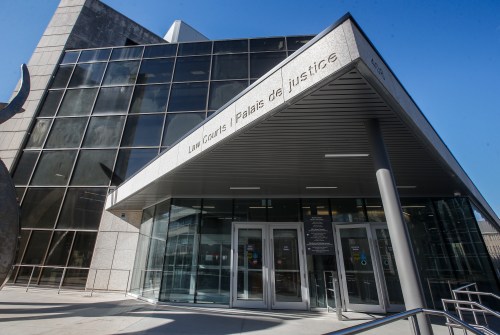
On Friday U.S. District Judge Brett Ludwig ruled in favor of Netflix and “Making a Murderer” filmmakers Laura Ricciardi and Moira Demos, concluding that none of them acted with any malice toward now-retired Manitowoc County Sheriff’s Detective Andrew Colborn.
Netflix aired “Making a Murderer” series in 2015. The 10-part series follows the story of Steven Avery, who spent nearly 22 years in prison for sexual assault before DNA tests exonerated him. He was released in 2003 but was convicted four years later along with his nephew, Brendan Dassey, in the 2005 murder and rape of photographer Teresa Halbach. Avery and Dassey were ultimately both sentenced to life in prison.

The documentary raised questions about whether Manitowoc County officials framed them. Colborn, who participated in the Avery investigation, filed a lawsuit in April 2019 alleging that the documentary defamed him by misquoting his testimony — and editing snippets of his testimony, and reactions of others in court to make him appear nervous and uncertain.
Ludwig found that the edits retain the gist of his testimony, and that Colborn failed to show that the streaming service or the filmmakers acted with malice toward him, a key element to defamation. It’s defined as when someone makes a defamatory statement even though he or she knows it’s false, or shows reckless disregard for its veracity.
Colburn’s attorney, listed in online court records as George Burnett, didn’t immediately respond to an email seeking comment on the ruling.