

B.C. announces increased rates for foster parents and kinship care providers
Advertisement
Read this article for free:
or
Already have an account? Log in here »
To continue reading, please subscribe:
Monthly Digital Subscription
$0 for the first 4 weeks*
- Enjoy unlimited reading on winnipegfreepress.com
- Read the E-Edition, our digital replica newspaper
- Access News Break, our award-winning app
- Play interactive puzzles
*No charge for 4 weeks then price increases to the regular rate of $19.95 plus GST every four weeks. Offer available to new and qualified returning subscribers only. Cancel any time.
Monthly Digital Subscription
$4.99/week*
- Enjoy unlimited reading on winnipegfreepress.com
- Read the E-Edition, our digital replica newspaper
- Access News Break, our award-winning app
- Play interactive puzzles
*Billed as $19.95 plus GST every four weeks. Cancel any time.
To continue reading, please subscribe:
Add Free Press access to your Brandon Sun subscription for only an additional
$1 for the first 4 weeks*
*Your next subscription payment will increase by $1.00 and you will be charged $16.99 plus GST for four weeks. After four weeks, your payment will increase to $23.99 plus GST every four weeks.
Read unlimited articles for free today:
or
Already have an account? Log in here »
Hey there, time traveller!
This article was published 29/03/2023 (1016 days ago), so information in it may no longer be current.
VICTORIA – Foster families in British Columbia will get a monthly pay raise of hundreds of dollars starting April 1.
Mitzi Dean, the child and family development minister, said Wednesday that families fostering kids 11 and under will see their payments increase by $450 a month to $1,465 per child, while caregivers for those 12 to 19 will see a $531 monthly increase to $1,655 per child.
Dean said rates were frozen for nearly a decade under the previous government, and the latest increase is the second implemented since the New Democrats came to power in 2017.
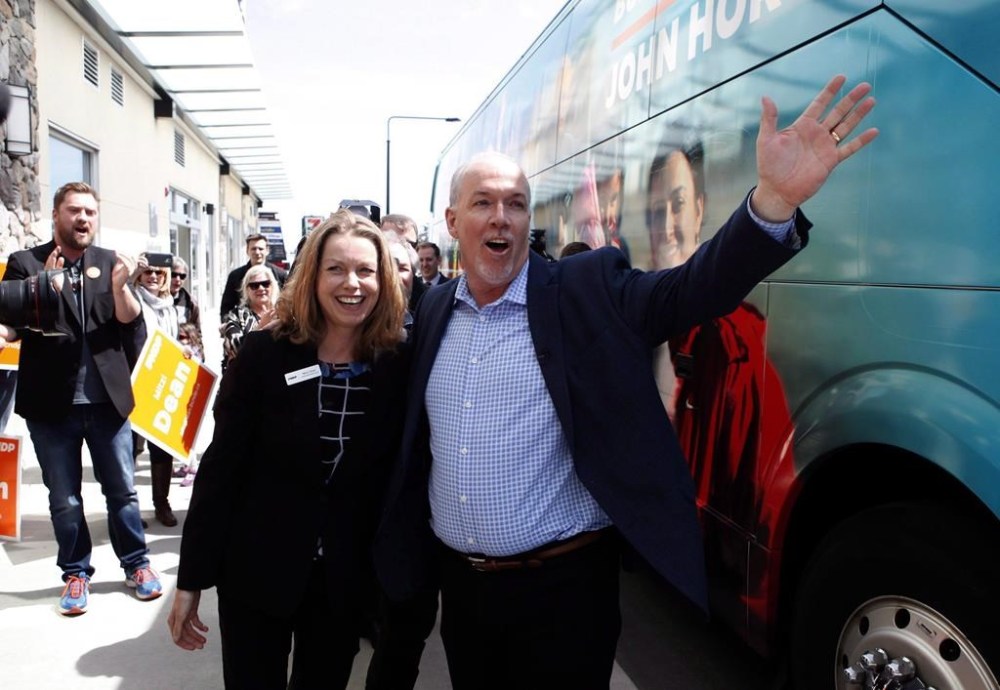
The increased funding, Dean said, will fill a “critical need” for families hit hard by inflation who need to provide children with food, clothing and other essentials as living costs rise.
The province boosted funding for caregivers first in 2019 and injected a further $85 million to increase caregiver payments in the 2023 budget, affecting approximately 7,800 children and caregiver families.
Dean said funding is also increasing for other caregivers, including those with high- and special-needs children, along with so-called kinship families who take children under their care from family members.
Katie Robertson, executive director of the Parent Support Services Society of B.C., said she was raised in a kinship care situation herself and the increased funding will give kids security and stability, while helping keep families intact.
“As a young child, my mother struggled with a substance use disorder and we lived in deep poverty, and I experienced horrific neglect and violence and abuse,” Robertson said. “I left home when I was 13 and were it not for several families providing kinship care in my early teenage years, I would not be here today.” Robertson said kinship care is common, especially in Indigenous cultures, when parents can’t care for their own children, who are then taken in by aunts, uncles, grandparents and others.
Relatives who find themselves caring for a family member’s child are often caught off guard, representing “a major life change physically, emotionally, spiritually and financially for both the caregivers and children,” Robertson said.
“These increases will help many kinship care families to focus on what matters most, giving these children and youth the best opportunity to live a life filled with love, stability, community and connection,” she said. “When kinship care is an option, families stay intact, cultures are preserved and children are given a chance to thrive.”
This report by The Canadian Press was first published March 29, 2023.