New images from inside Fukushima reactor spark safety worry
Advertisement
Read this article for free:
or
Already have an account? Log in here »
To continue reading, please subscribe:

Digital Subscription
One year of digital access for only $205*
- Enjoy unlimited reading on winnipegfreepress.com
- Read the E-Edition, our digital replica newspaper
- Access News Break, our award-winning app
- Play interactive puzzles
*First annual payment billed as $205.00 + GST for one year. This annual subscription will automatically renew at $233.00 + GST every 52 weeks (10% off the regular annual price of $259.35). Offer available to new and qualified returning subscribers only. Cancel any time.
To continue reading, please subscribe:
Add Free Press access to your Brandon Sun subscription for only an additional
$1 for the first 4 weeks*
- Enjoy unlimited reading on winnipegfreepress.com
- Read the E-Edition, our digital replica newspaper
- Access News Break, our award-winning app
- Play interactive puzzles
*Your next Brandon Sun subscription payment will increase by $1.00 and you will be charged $17.95 plus GST for four weeks. After four weeks, your payment will increase to $24.95 plus GST every four weeks.
Read unlimited articles for free today:
or
Already have an account? Log in here »
Hey there, time traveller!
This article was published 04/04/2023 (1263 days ago), so information in it may no longer be current.
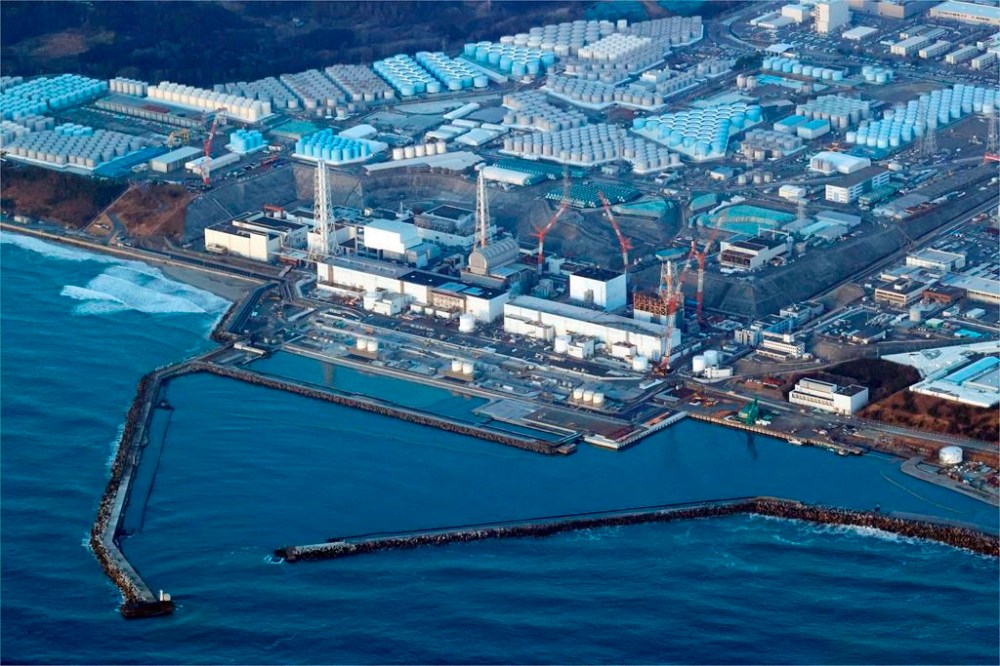
TOKYO (AP) — Images captured by a robotic probe inside one of the three melted reactors at Japan’s wrecked Fukushima nuclear power plant showed exposed steel bars in the main supporting structure and parts of its thick external concrete wall missing, triggering concerns about its earthquake resistance in case of another major disaster.
The plant’s operator, Tokyo Electric Power Company Holdings, has been sending robotic probes inside the Unit 1 primary containment chamber since last year. The new findings released Tuesday were from the latest probe conducted at the end of March.
An underwater remotely operated vehicle named ROV-A2 was sent inside the Unit 1 pedestal, a supporting structure right under the core. It came back with images seen for the first time since an earthquake and tsunami crippled the plant 12 years ago. The area inside the pedestal is where traces of the melted fuel can most likely be found.
An approximately five-minute video — part of 39-hour-long images captured by the robot — showed that the 120-centimeter (3.9-foot) -thick concrete exterior of the pedestal was significantly damaged near its bottom, exposing the steel reinforcement inside.
TEPCO spokesperson Keisuke Matsuo told reporters Tuesday that the steel reinforcement is largely intact but the company plans to further analyze data and images over the next couple of months to find out if and how the reactor’s earthquake resistance can be improved.
The images of the exposed steel reinforcement have triggered concerns about the reactor’s safety.
About 880 tons of highly radioactive melted nuclear fuel remain inside the three reactors. Robotic probes have provided some information, but the status of the melted debris is still largely unknown. The amount is about 10 times the damaged fuel that was removed in the cleanup of the Three Mile Island nuclear plant in the United States after its 1979 partial core meltdown.
Fukushima Gov. Masao Uchibori urged TEPCO to “swiftly evaluate levels of earthquake resistance and provide information in a way prefectural residents can easily understand and relieve concern of the residents and people around the country.”
The video taken by the robot also showed equipment that slipped down as well as other types of debris, possibly nuclear fuel that fell from the core and hardened, piling up as high as 40-50 centimeters (1.3-1.6 feet) from the bottom of the primary containment chamber, Matsuo said. The pile is lower than the mounds seen in images taken in previous internal probes at two other reactors, suggesting that the meltdowns in each reactor may have progressed differently, company officials said.
Matsuo said the data collected from the latest probe will help experts come up with methods of removing the debris and analyze the 2011 meltdowns. TEPCO also plans to use the data to create a three-dimensional map of melted fuel and debris details, which would take about a year.
Based on data collected from earlier probes and simulations, experts have said most of the melted fuel inside Unit 1 fell to the bottom of the primary containment chamber, but some might have even fallen through into the concrete foundation — a situation that makes the already daunting task of decommissioning extremely difficult.
Trial removal of melted debris is expected to begin in Unit 2 later this year after a nearly two-year delay. Spent fuel removal from the Unit 1 reactor’s cooling pool is to start in 2027 after a 10-year delay. Once all the spent fuel is removed from the pools, the focus is to turn in 2031 to taking melted debris out of the reactors.