Fishing regulators need more transparency, ocean groups say
Advertisement
Read this article for free:
or
Already have an account? Log in here »
To continue reading, please subscribe:

Digital Subscription
One year of digital access for only $205*
- Enjoy unlimited reading on winnipegfreepress.com
- Read the E-Edition, our digital replica newspaper
- Access News Break, our award-winning app
- Play interactive puzzles
*First annual payment billed as $205.00 + GST for one year. This annual subscription will automatically renew at $233.00 + GST every 52 weeks (10% off the regular annual price of $259.35). Offer available to new and qualified returning subscribers only. Cancel any time.
To continue reading, please subscribe:
Add Free Press access to your Brandon Sun subscription for only an additional
$1 for the first 4 weeks*
- Enjoy unlimited reading on winnipegfreepress.com
- Read the E-Edition, our digital replica newspaper
- Access News Break, our award-winning app
- Play interactive puzzles
*Your next Brandon Sun subscription payment will increase by $1.00 and you will be charged $17.95 plus GST for four weeks. After four weeks, your payment will increase to $24.95 plus GST every four weeks.
Read unlimited articles for free today:
or
Already have an account? Log in here »
Hey there, time traveller!
This article was published 12/04/2023 (1252 days ago), so information in it may no longer be current.
MOMBASA, Kenya (AP) — Some regional fisheries management organizations that were set up by the United Nations to measure and conserve fish populations — but are difficult to hold to account — need to be more transparent about how they make their rules and regulations if fish species are to be protected and maintained for people reliant on healthy fish stocks for their livelihoods, conservation agencies and fishing industry players say.
The 50-some regional fisheries management organizations worldwide bring together local, coastal states and bigger international players to regulate how companies and countries can fish in waters worldwide in a way that best conserves populations of fish and other ocean species based on scientific evidence.
For years, these regional regulators have been accused of undemocratic practices that favor large, industrial fishers but now several conservation groups are banding together to renew calls for a culture change.
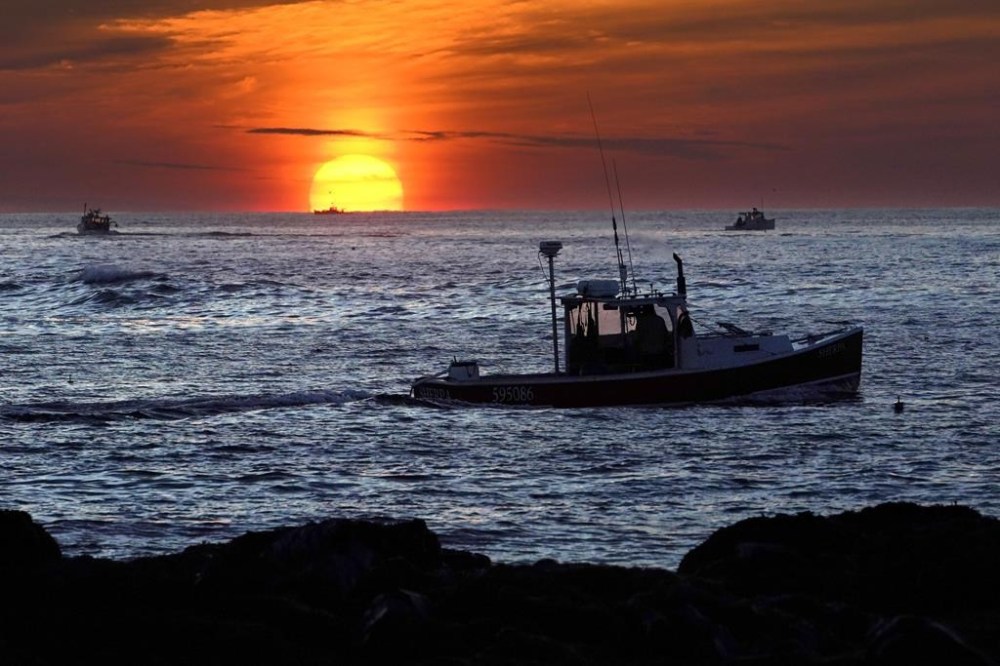
A coalition of conservationists and market players like Accountability.Fish, the Ocean Foundation, the Global Tuna Alliance and others have endorsed more open access to fisheries organizations’ proceedings so that more members of the public can participate in conservation efforts.
The U.N. Food and Agriculture Organization — the parent body of regional fisheries management organizations — said it “supports and promotes transparency in fisheries and notes that transparency in ocean governance is becoming a greater priority in global and regional processes.”
For local and non-commercial fishers who rely on well-managed fish stocks, it’s unclear if more open measures will make a difference.
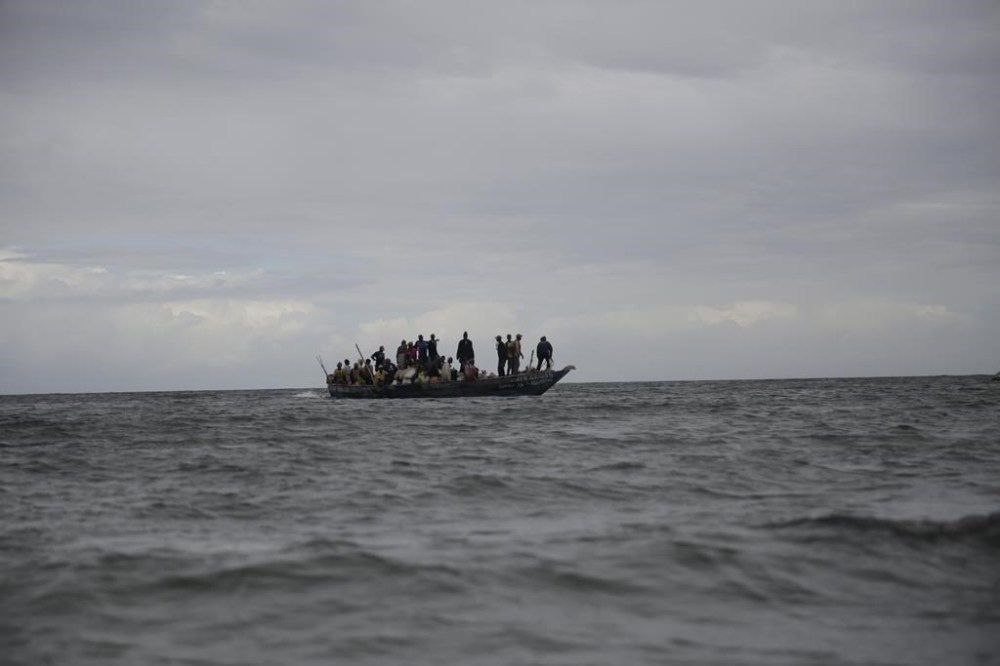
“I only hear of meetings on fisheries, but I have no idea what it is they discuss there. I have never been invited,” said Kassim Abdalla, a fisher on Kenya’s coast, who’s part of a cooperative group of fishers. “In any case it is always a meeting of unequals. How can I compete with the well-financed fishing fleets from the developed nations and all I have is an outrigger canoe?”
The concern among environmentalists and smaller-scale fishers is that large fleets are permitted by fishery organizations to use practices that are only accessible to vessels big enough to go far into the open ocean, depleting fish stocks for those more confined to the coasts or forcing them to travel into choppy, more dangerous waters their smaller boats aren’t fit for.
Many industrial fishing fleets rely on a highly-effective scooping method called purse seining — a two-kilometer-long (1.2-mile) net positioned around schools of fish by a smaller support vessel, explained Frederic Manach, a marine scientist with the ocean conservation group Bloom. “The seine is then closed from below with a sliding system, allowing the entire school to be caught” which makes it difficult to sustain populations, he said.
The European Union, a prominent actor in eight regional fisheries management organizations worldwide, including Abdalla’s Indian Ocean, has been accused of using these fish-aggregating devices as well as pressuring coastal states in order to secure privileged access to regional fishery management organizations.
The EU Commission denied the claims, saying the bloc is not suppressing Global South countries or other actors for more favorable access. It also previously said that it would stop using fish-aggregating devices if the science backed up a ban, adding that “it is essential that science is the backbone” of decision-making at regulatory bodies.
How its decided how much fish each party is able to catch is what fishery regulatory bodies need to be more open about, said Manach.
“There is absolutely no transparency regarding how quotas are allocated and who gets them,” he said.
Ryan Orgera, the global director of Accountability.Fish, an organization that calls for greater awareness in fishery management said that’s the result of the makeup of regulatory bodies, made up mostly of industrial fishers.
“We seek to reduce the power of industrial fishers in regional fisheries and balance out the space with market players and non-governmental organizations,” including artisanal and small boat fishers, Orgera said.
Regulations for the high seas — the world’s deep oceans — and the marine life that lives there have for a long time been patchwork and it’s been hard to reach a global consensus on how best to protect them.
Then last month, the long-awaited worldwide framework to protect the high seas was finally approved. The U.N. high seas treaty will create a new body to manage conservation of ocean life globally and establish marine protected areas in the world’s oceans.
But even with the treaty, Orgera said, “if industrial fishers are given a green light by the fisheries management organizations to overfish for, say five years, the effects on the oceans could become irreversible.”

The hope for conservation groups is that even before the creation of marine protected areas in the oceans, which could take a few years, fishery bodies involve more and varied stakeholders — no matter the size of their fleet — in open discussion and decisions about conserving fish populations.
Abdalla, the Kenyan fisher, said knowledge-sharing programs in other regions of the world, like China, the Seychelles and among Pacific Ocean states are a better model for those reliant on the same fish stocks to communicate and preserve populations.
Orgera said the key is transparency.
“No nation on earth benefits from mismanaged oceans, especially developing states,” said Orgera. He added that more openness can make sure that “societies have access to what happens to our collective resources.” ___
Associated Press climate and environmental coverage receives support from several private foundations. See more about AP’s climate initiative here. The AP is solely responsible for all content.