Count on blends for the best of all possible grapes

Advertisement
Read this article for free:
or
Already have an account? Log in here »
To continue reading, please subscribe:

Digital Subscription
One year of digital access for only $205*
- Enjoy unlimited reading on winnipegfreepress.com
- Read the E-Edition, our digital replica newspaper
- Access News Break, our award-winning app
- Play interactive puzzles
*First annual payment billed as $205.00 + GST for one year. This annual subscription will automatically renew at $233.00 + GST every 52 weeks (10% off the regular annual price of $259.35). Offer available to new and qualified returning subscribers only. Cancel any time.
To continue reading, please subscribe:
Add Free Press access to your Brandon Sun subscription for only an additional
$1 for the first 4 weeks*
- Enjoy unlimited reading on winnipegfreepress.com
- Read the E-Edition, our digital replica newspaper
- Access News Break, our award-winning app
- Play interactive puzzles
*Your next Brandon Sun subscription payment will increase by $1.00 and you will be charged $17.95 plus GST for four weeks. After four weeks, your payment will increase to $24.95 plus GST every four weeks.
Read unlimited articles for free today:
or
Already have an account? Log in here »
Hey there, time traveller!
This article was published 09/09/2023 (1108 days ago), so information in it may no longer be current.
This week’s tasting notes highlight a half-dozen blends — wines made from a combination of two or more grape varieties.
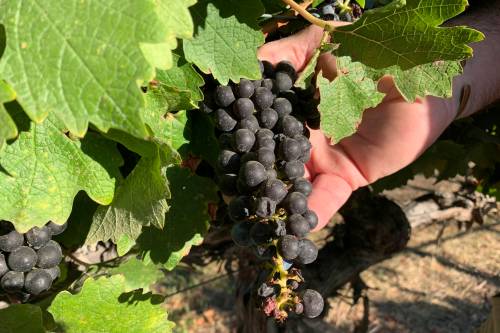
Producers have been blending different grape varieties together to make wines for ages — probably since the beginning of winemaking itself. As the industry has evolved, so too have the ways in which different grape varieties are blended together, and the reasons producers might choose to do so.
Some producers create blends with the notion of establishing a “house style,” if you will — a wine that’s consistent flavour-wise from year to year and isn’t as susceptible to vintage variation. In aiming for a house style made from a blend, a producer can add more or less of a particular grape variety (or swap out one variety entirely for another) to obtain a flavour wine drinkers recognize no matter when or where they’re drinking it.
TERRY CHEA / THE ASSOCIATED PRESS FILES Blends are a way for producers to create a ‘house style’ not susceptible to vintage variation. 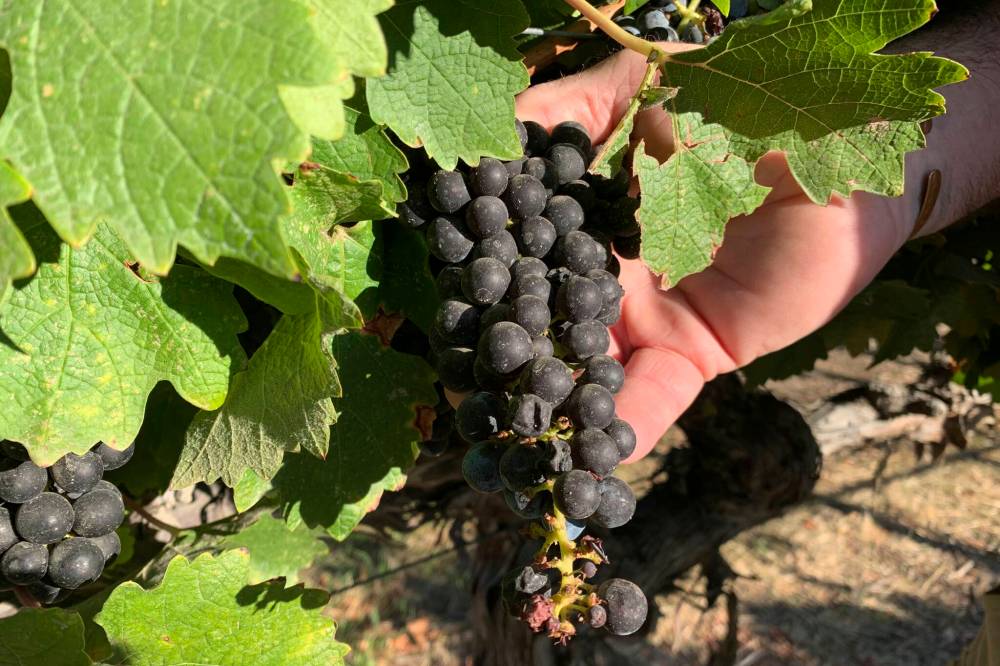
Think of super-popular American red blends such as Apothic, 14 Hands, Ménage à Trois and the like. People keep coming back to these wines because (among other reasons) they always taste the same — they know what they’re getting. Most fans of this style of wine couldn’t tell you the grape varieties in the bottle, and don’t care.
Blends are also a good (and arguably sneaky) way for producers to utilize a grape variety that may have not had the best vintage. If your Cabernet Sauvignon didn’t ripen enough and is a bit rough around the edges, for example, add some Merlot to soften things up, or use that Cabernet in another wine altogether.
Some wine-producing regions don’t need a reason to make blends — it’s just sort of the way they’ve always done it. Most Rhône Valley wines in our market (both white and red) are blends, as are most Portuguese wines and the bulk of what we see from France’s Bordeaux region. (Interestingly, red blends from the left bank of Bordeaux’s Gironde estuary are Cabernet Sauvignon-based, while those from the right bank are Merlot-dominant.)
If you’re curious about what grapes are in your favourite blend (or anything else about a wine) and the label doesn’t offer the info you’re looking for, check the producer’s website — they often have what are called tech sheets, which include winemaking methods, percentages of grape varieties and more.
Wines of the week
Les Dauphins 2021 Grenache Blanc-Viognier (Méditerranée, France — $17.99, Liquor Marts and beyond)
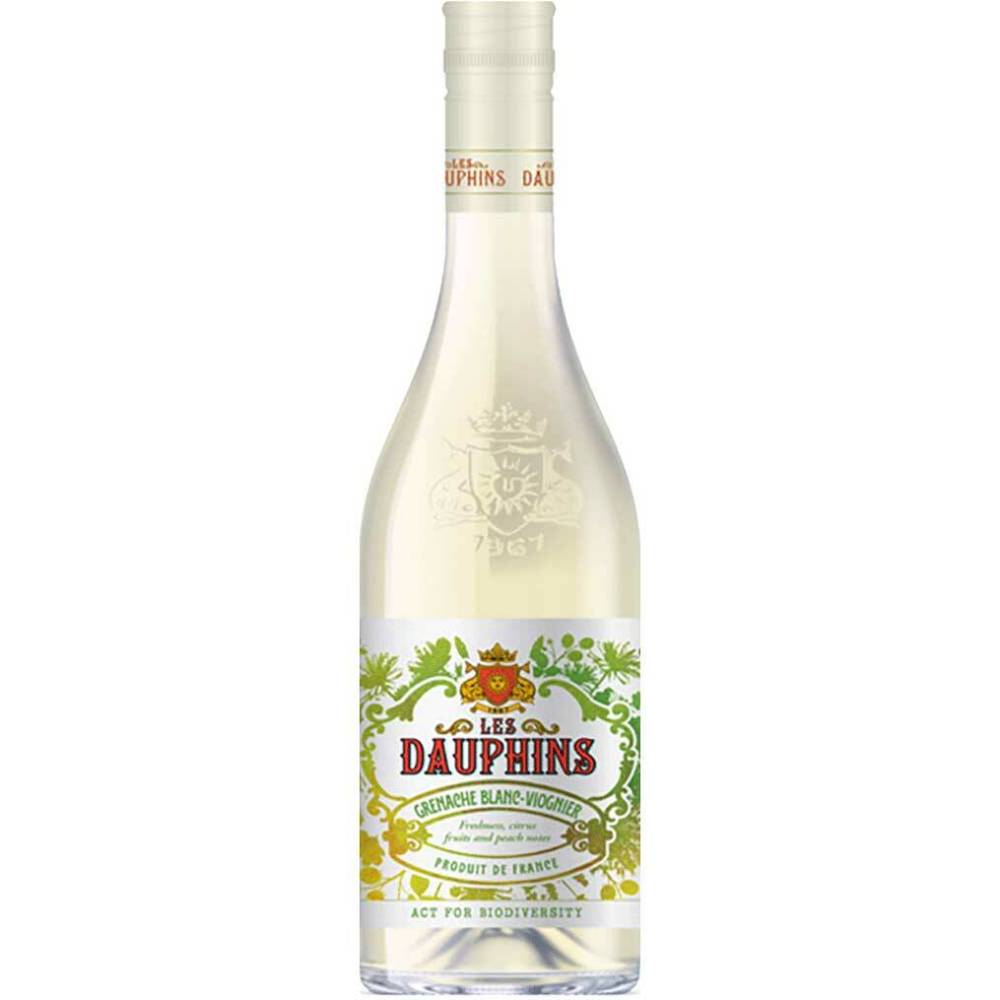
The fresh floral note on the nose of this southern French white blend comes with delicate but lively pear, peach and tangerine aromas, and a hint of spice.
On the medium-bodied, viscous palate there’s a lovely honeycomb note that arrives with the pear and peach flavours, a secondary lemon candy note that’s cheerful and a subtle chalky salinity that adds texture. Juicy and delicious but with good complexity for the price. 4/5
Le Fat Bastard 2022 Rosé (Pays D’Oc, France — $16.29, Liquor Marts and beyond)
Le Fat Bastard Rosé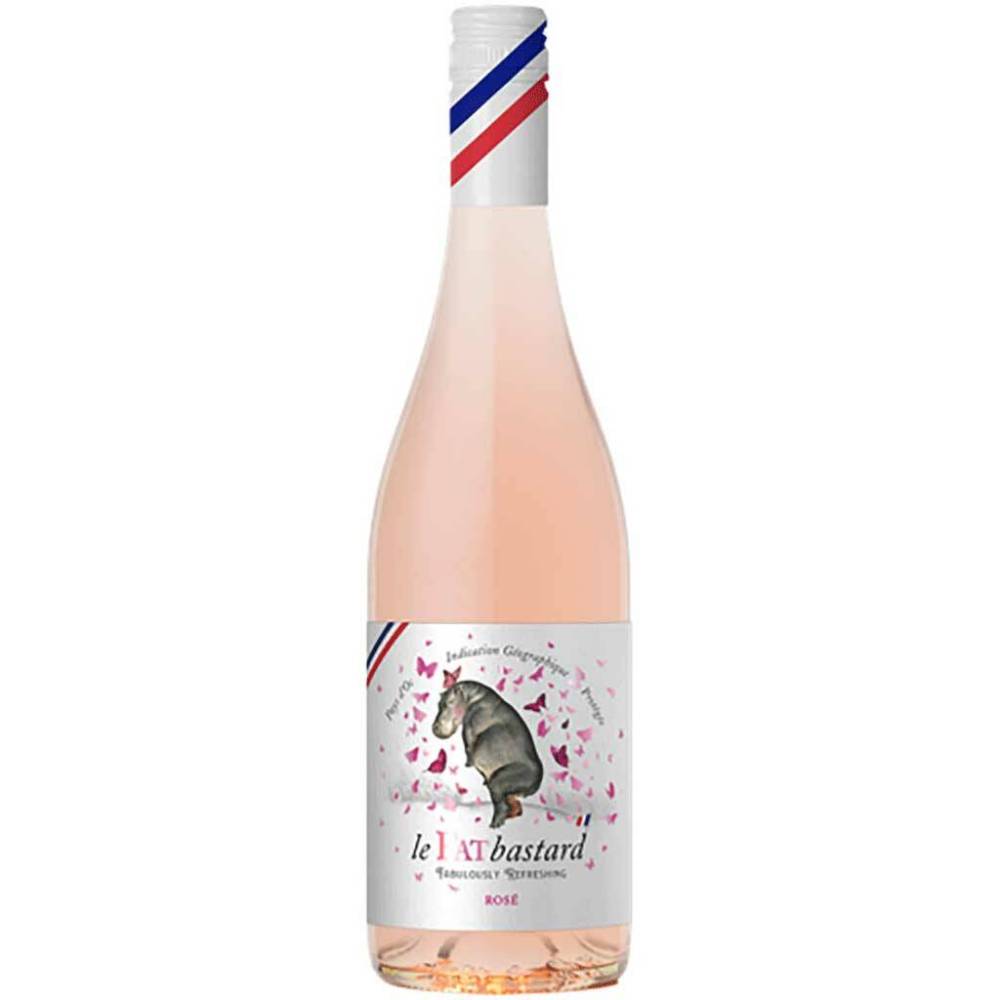
A Grenache-Cinsault blend made from grapes sourced from southern France, this cheeky pink wine offers raspberry and strawberry candy, herbal and peach notes aromatically.
There’s a touch of sweetness on the light-plus-bodied palate that showcases those berry-candy and peach flavours, with a splash of acidity on the finish. Simple but fun. 2.5/5
Finca Los Primos 2022 Malbec Cabernet (Mendoza, Argentina — $15.99/1L, Liquor Marts and beyond)
Finca Los Primos Malbec Cabernet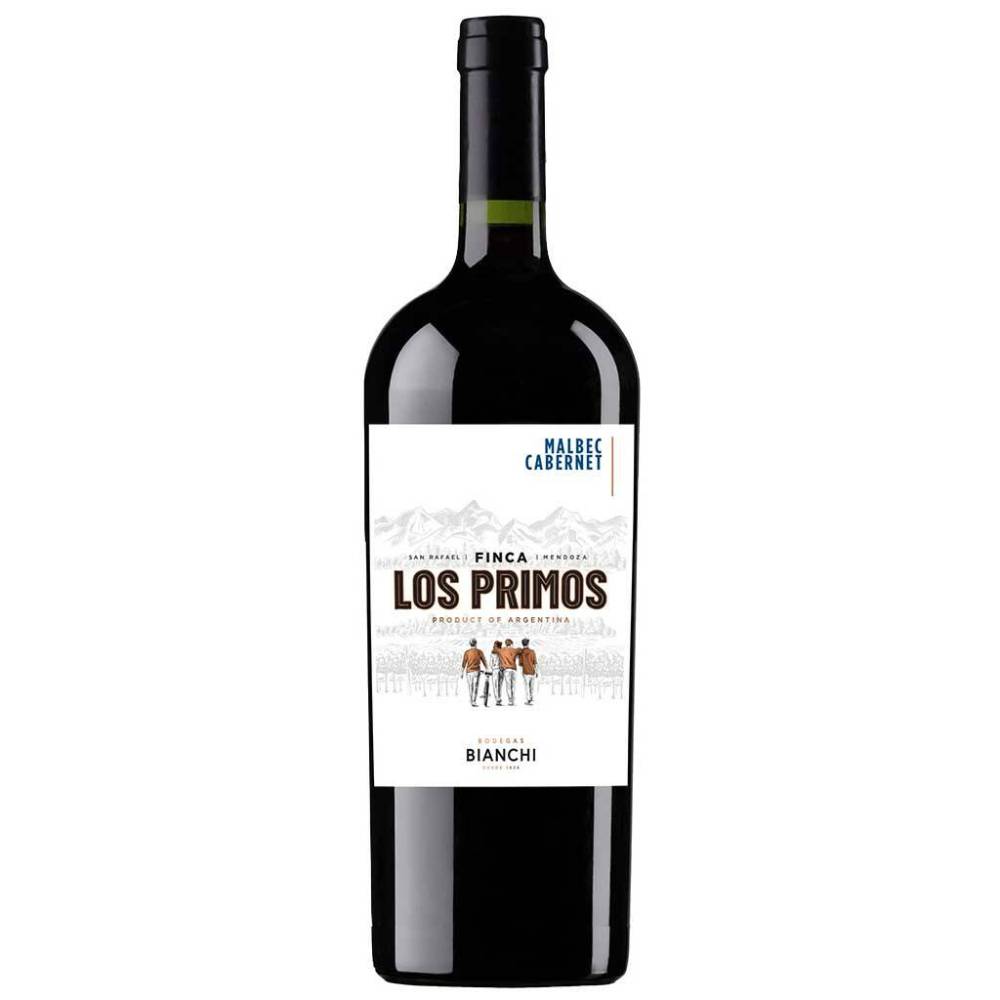
This Argentine red blend sold in a one-litre bottle is deep garnet in colour and brings an attractive nose of plum, blackberry, cocoa, cassis and a slight leathery note.
It’s medium-plus-bodied and juicy, with ripe blueberry, cassis and plum flavours showing well, with the cocoa note picking up white pepper that comes with modest tannins on the medium-length finish. A fun, approachable and well-priced red. 3/5
Château la Ribaud 2018 Cru Bourgeois (Médoc, France — $24.99, Liquor Marts and beyond
Chateau la Ribaud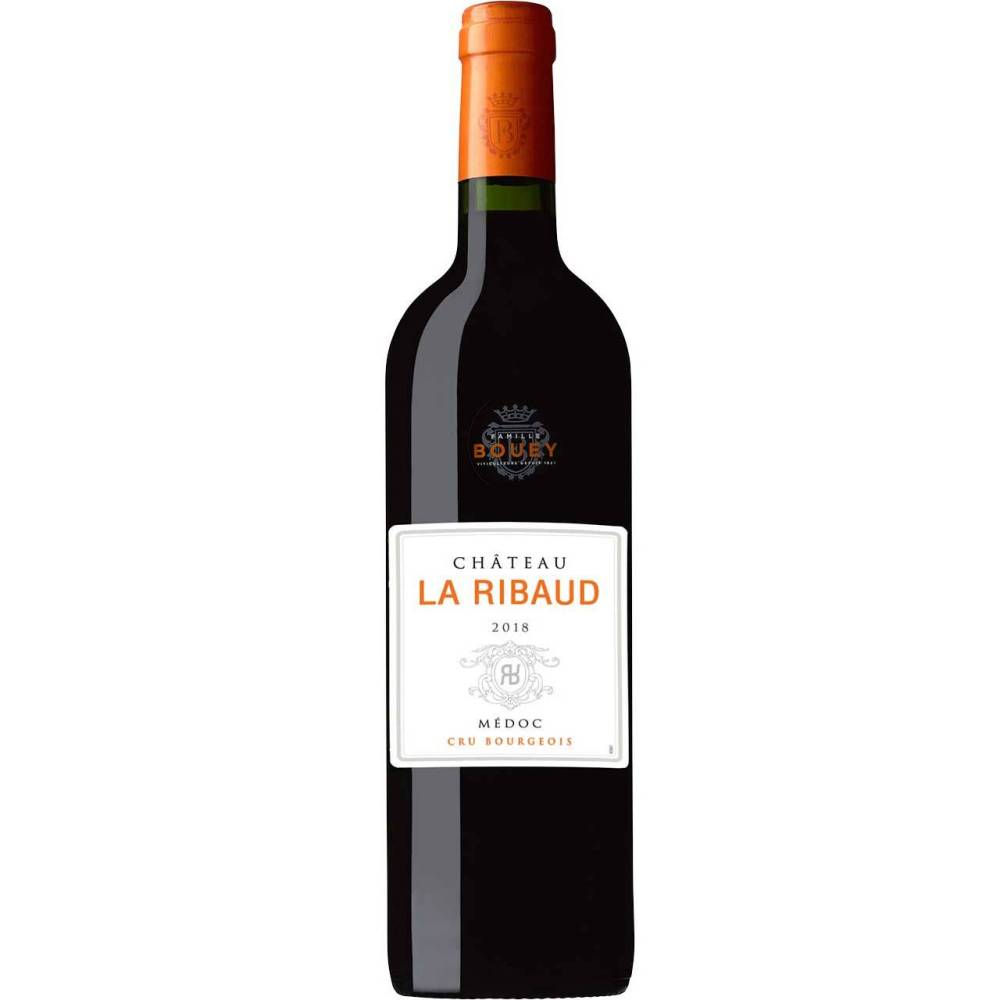
This rustic red Bordeaux, a Merlot-Cabernet Sauvignon blend, brings cassis, plum, herbal, leather and spice notes on the nose.
On the dry, full-bodied palate it delivers plum, cassis, spice, woody and blueberry flavours with modest tannins and a medium-length finish (it’s 14 per cent alcohol). Drink now or hold for 18-24 months. 3.5/5
Bonny Doon 2020 Le Cigare Volant red (Central Coast, Calif. — around $34, private wine stores)
Bonny Doon La Cigare Volant red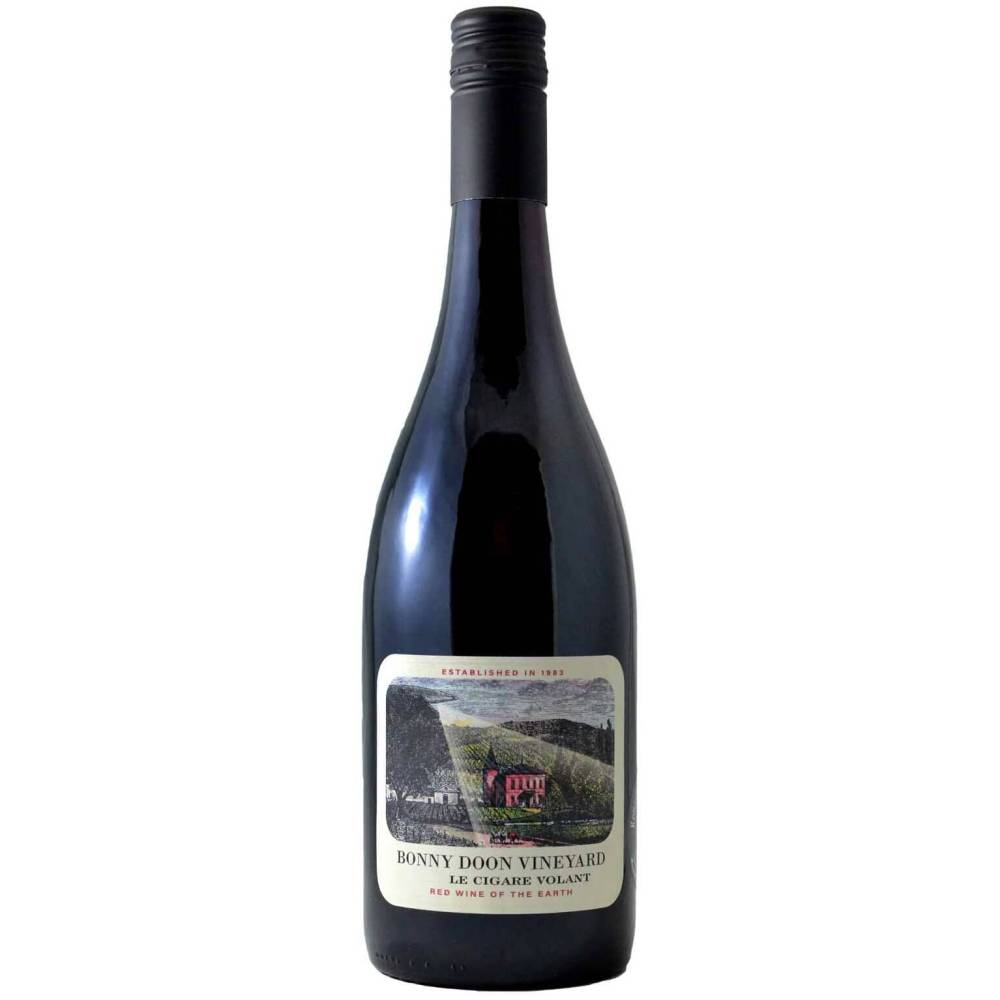
This Rhône-style California red blend is made of Grenache, Cinsault, Syrah, Petite Sirah and Counoise grapes, bringing ripe plum and blueberry aromas as well as meaty, iron, red cherry, tar and earthy notes.
It’s ripe, rich and full-bodied, with ripe black and red fruit flavours showing with more rustic meaty, earth and spice components, a dash of anise and some heat on the medium-plus-length finish (it’s 13.6 per cent alcohol). Balances complexity and fun; available at Kenaston Wine Market. 4.5/5
Orin Swift Cellars 2019 Abstract red (California, U.S. — around $70, private wine stores)
Orin Swift Abstract red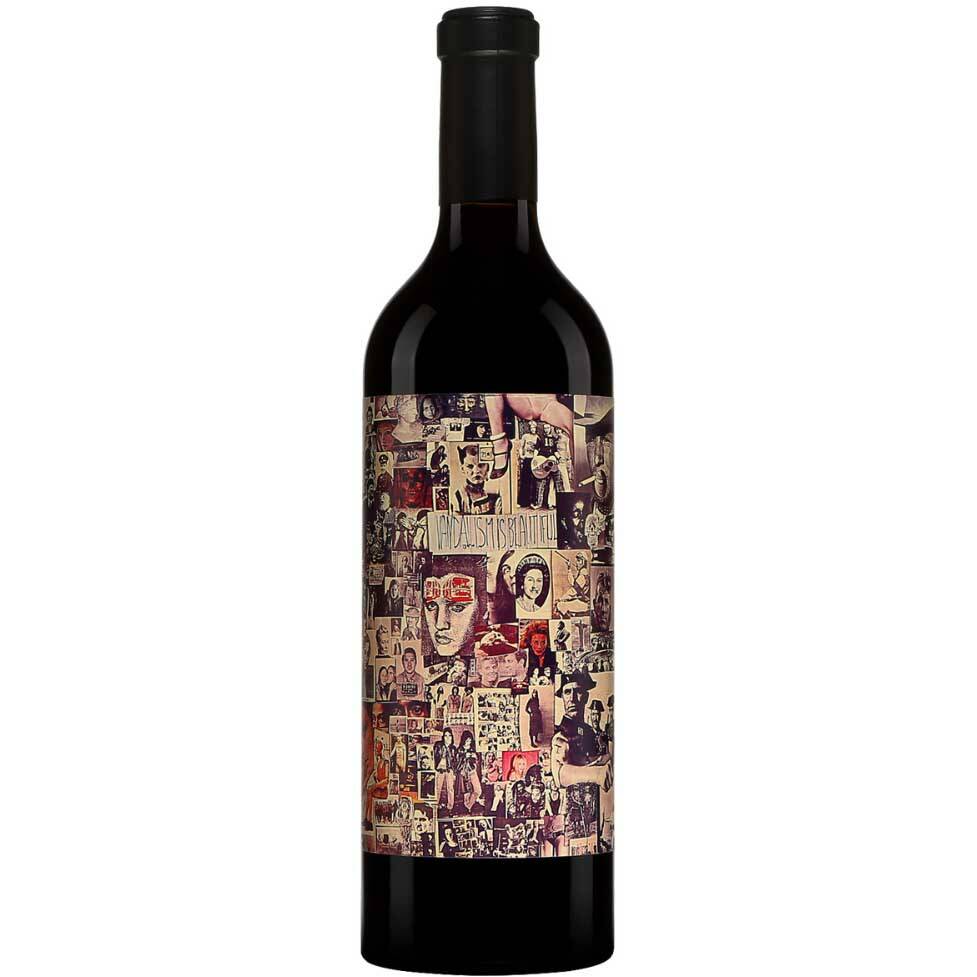
A California blend of Grenache, Petite Sirah and Syrah, the Abstract is inky black-purple in colour, bringing ripe raspberry and black cherry, blueberry compote, plum, lacquer and secondary notes of cedar and spice.
It’s dense, quite ripe and very full-bodied, with jammy cherry, kirsch, raspberry, lacquer and spice components on the palate, secondary chocolate/mocha elements and finishes with spice and vanilla on the long, very warm finish (it’s a blistering 16.1 per cent alcohol). A bit aggressive for most palates; drink with food to balance the booziness here, or set aside for 4-6 year. 3/5
uncorked@mts.net
@bensigurdson
Ben Sigurdson
Literary editor, drinks writer
Ben Sigurdson is the Free Press‘s literary editor and drinks writer. He graduated with a master of arts degree in English from the University of Manitoba in 2005, the same year he began writing Uncorked, the weekly Free Press drinks column. He joined the Free Press full time in 2013 as a copy editor before being appointed literary editor in 2014. Read more about Ben.
In addition to providing opinions and analysis on wine and drinks, Ben oversees a team of freelance book reviewers and produces content for the arts and life section, all of which is reviewed by the Free Press’s editing team before being posted online or published in print. It’s part of the Free Press‘s tradition, since 1872, of producing reliable independent journalism. Read more about Free Press’s history and mandate, and learn how our newsroom operates.
Our newsroom depends on a growing audience of readers to power our journalism. If you are not a paid reader, please consider becoming a subscriber.
Our newsroom depends on its audience of readers to power our journalism. Thank you for your support.
Ben Sigurdson
Literary editor, drinks writer
Ben Sigurdson is the Free Press‘s literary editor and drinks writer. He graduated with a master of arts degree in English from the University of Manitoba in 2005, the same year he began writing Uncorked, the weekly Free Press drinks column. He joined the Free Press full time in 2013 as a copy editor before being appointed literary editor in 2014. Read more about Ben.
In addition to providing opinions and analysis on wine and drinks, Ben oversees a team of freelance book reviewers and produces content for the arts and life section, all of which is reviewed by the Free Press’s editing team before being posted online or published in print. It’s part of the Free Press‘s tradition, since 1872, of producing reliable independent journalism. Read more about Free Press’s history and mandate, and learn how our newsroom operates.
Our newsroom depends on a growing audience of readers to power our journalism. If you are not a paid reader, please consider becoming a subscriber.
Our newsroom depends on its audience of readers to power our journalism. Thank you for your support.
Advertisement Advertise With Us
Advertisement Advertise With Us