Two Vegas casinos fell victim to cyberattacks, shattering the image of impenetrable casino security
Advertisement
Read this article for free:
or
Already have an account? Log in here »
To continue reading, please subscribe:

Digital Subscription
One year of digital access for only $205*
- Enjoy unlimited reading on winnipegfreepress.com
- Read the E-Edition, our digital replica newspaper
- Access News Break, our award-winning app
- Play interactive puzzles
*First annual payment billed as $205.00 + GST for one year. This annual subscription will automatically renew at $233.00 + GST every 52 weeks (10% off the regular annual price of $259.35). Offer available to new and qualified returning subscribers only. Cancel any time.
To continue reading, please subscribe:
Add Free Press access to your Brandon Sun subscription for only an additional
$1 for the first 4 weeks*
- Enjoy unlimited reading on winnipegfreepress.com
- Read the E-Edition, our digital replica newspaper
- Access News Break, our award-winning app
- Play interactive puzzles
*Your next Brandon Sun subscription payment will increase by $1.00 and you will be charged $17.95 plus GST for four weeks. After four weeks, your payment will increase to $24.95 plus GST every four weeks.
Read unlimited articles for free today:
or
Already have an account? Log in here »
Hey there, time traveller!
This article was published 15/09/2023 (1126 days ago), so information in it may no longer be current.
LAS VEGAS (AP) — A persistent error message greeted Dulce Martinez on Monday as she tried to access her casino rewards account to book accommodations for an upcoming business trip.
That’s odd, she thought, then toggled over to Facebook to search for clues about the issue on a group for MGM Resorts International loyalty members. There, she learned that the largest casino owner in Las Vegas had fallen victim to a cybersecurity breach.
Martinez, 45, immediately checked her bank statements for the credit card linked to her loyalty account. Now she was being greeted by four new transactions she did not recognize — charges that she said increased with each transaction, from $9.99 to $46. She canceled the credit card.
Unsettled by the thought of what other information the hackers may have stolen, Martinez, a publicist from Los Angeles, said she signed up for a credit report monitoring program, which will cost her $20 monthly.
“It’s been kind of an issue for me,” she said, “but I’m now monitoring my credit, and now I’m taking these extra steps.”
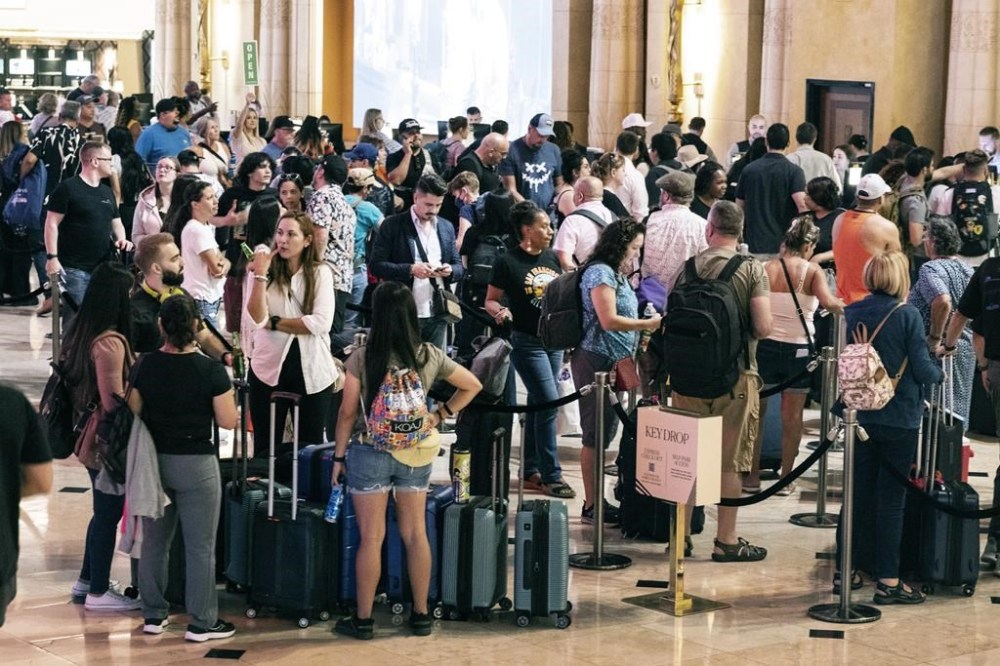
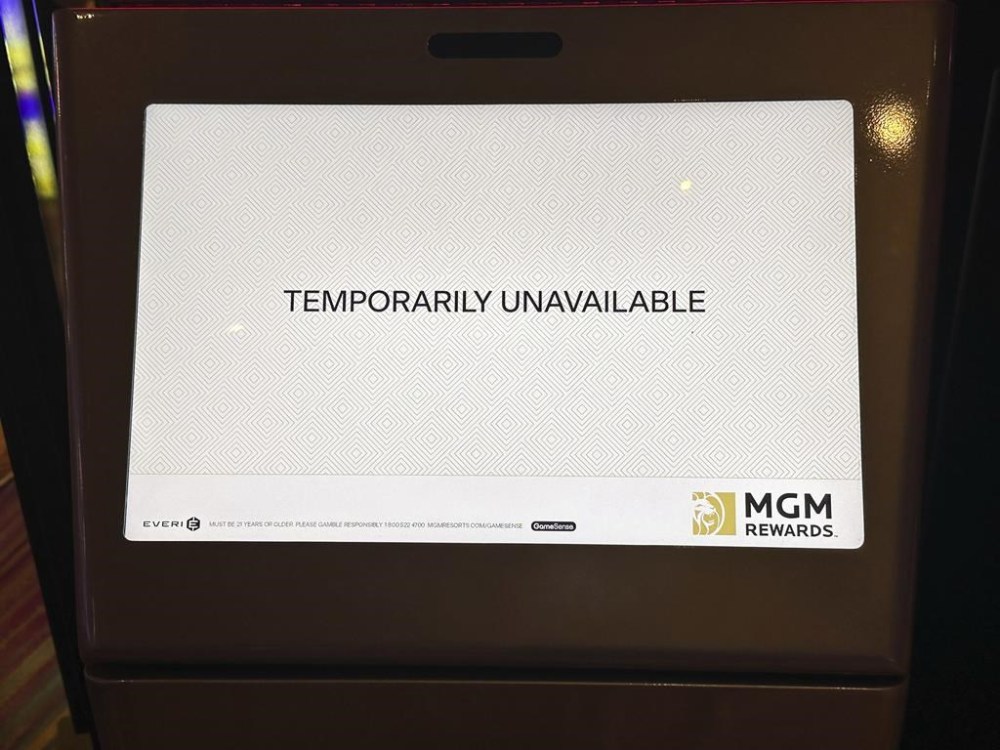
MGM Resorts said the incident began Sunday, affecting reservations and casino floors in Las Vegas and other states. Videos on social media showed video slot machines that had gone dark. Some customers said their hotel room cards weren’t working. Others said they were canceling their trips this weekend.
The situation entered its sixth day on Friday, with booking capabilities still down and MGM Resorts offering penalty-free room cancelations through Sept. 17. Brian Ahern, a company spokesperson, declined Friday to answer questions from The Associated Press, including what information had been compromised in the breach.
By Thursday, Caesars Entertainment — the largest casino owner in the world — confirmed it, too, had been hit by a cybersecurity attack. The casino giant said its casino and hotel computer operations weren’t disrupted but couldn’t say with certainty that personal information about tens of millions of its customers was secure following the data breach.
The security attacks that triggered an FBI probe shatter a public perception that casino security requires an “Oceans 11”-level effort to defeat it.
“When people think about security, they are thinking about the really big super-computers, firewalls, a lot of security systems,” said Yoohwan Kim, a computer science professor at the University of Nevada, Las Vegas, whose expertise includes network security.
It’s true, Kim said, that casino giants like MGM Resorts and Caesars are protected by sophisticated — and expensive — security operations. But no system is perfect.
“Hackers are always fighting for that 0.0001% weakness,” Kim said. “Usually, that weakness is human-related, like phishing.”
Tony Anscombe, the chief security official with the San Diego-based cybersecurity company ESET, said it appears the invasions may have been carried out as a “socially engineered attack,” meaning the hackers used tactics like a phone call, text messages or phishing emails to breach the system.
“Security is only as good as the weakest link, and unfortunately, as in many cyberattacks, human behavior is the method used by cybercriminals to gain the access to a company’s crown jewels,” Anscombe said.

As the security break-ins left some Las Vegas casino floors deserted this week, a hacker group emerged online, claiming responsibility for the attack on Caesars Entertainment’s systems and saying it had asked the company to pay a $30 million ransom fee.
It has not officially been determined whether either of the affected companies paid a ransom to regain control of their data. But if one had done so, the experts said, then more attacks could be on the way.
“If it happened to MGM, the same thing could happen to other properties, too,” said Kim, the UNLV professor. “Definitely more attacks will come. That’s why they have to prepare.”
___
Parry reported from Atlantic City. Associated Press videographer Ty O’Neil in Las Vegas contributed.