

Failure of single component caused Washington seaplane crash that killed 10, NTSB says
Advertisement
Read this article for free:
or
Already have an account? Log in here »
To continue reading, please subscribe:

Digital Subscription
One year of digital access for only $205*
- Enjoy unlimited reading on winnipegfreepress.com
- Read the E-Edition, our digital replica newspaper
- Access News Break, our award-winning app
- Play interactive puzzles
*First annual payment billed as $205.00 + GST for one year. This annual subscription will automatically renew at $233.00 + GST every 52 weeks (10% off the regular annual price of $259.35). Offer available to new and qualified returning subscribers only. Cancel any time.
To continue reading, please subscribe:
Add Free Press access to your Brandon Sun subscription for only an additional
$1 for the first 4 weeks*
- Enjoy unlimited reading on winnipegfreepress.com
- Read the E-Edition, our digital replica newspaper
- Access News Break, our award-winning app
- Play interactive puzzles
*Your next Brandon Sun subscription payment will increase by $1.00 and you will be charged $17.95 plus GST for four weeks. After four weeks, your payment will increase to $24.95 plus GST every four weeks.
Read unlimited articles for free today:
or
Already have an account? Log in here »
Hey there, time traveller!
This article was published 05/10/2023 (1052 days ago), so information in it may no longer be current.
SEATTLE (AP) — U.S. investigators have confirmed that a mechanical issue caused the seaplane crash that killed 10 people off an island in Washington state last year.
The National Transportation Safety Board, which investigated the Sept. 4, 2022, crash, said Thursday that a single component of a critical flight control system failed, causing an unrecoverable, near-vertical descent into Puget Sound’s Mutiny Bay near Whidbey Island.
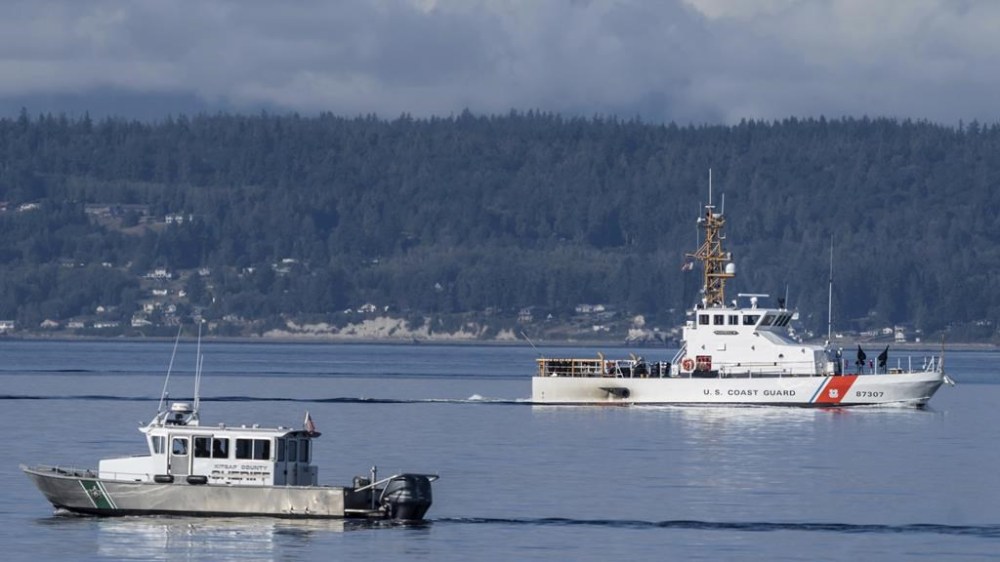
About 85% of the aircraft was recovered from the ocean floor several weeks after the crash.
NTSB investigators examining the wreckage found that a component called an actuator, which moves the plane’s horizontal tail and controls the airplane’s pitch, had become disconnected. That failure would have made it impossible for the pilot to control the airplane.
Evidence showed the failure happened before the crash, not as a result of it, investigators concluded.
The plane was a de Havilland Canada DHC-3 Otter turboprop operated by Renton-based Friday Harbor Seaplanes. It was headed to the Seattle suburb of Renton from Friday Harbor, a popular tourist destination in the San Juan Islands, when it abruptly fell into Mutiny Bay and sank. The pilot and all nine passengers died.
Witnesses said, and video showed, that the plane had been level before climbing slightly and then falling, the NTSB said.
“The Mutiny Bay accident is an incredibly painful reminder that a single point of failure can lead to catastrophe in our skies,” NTSB Chair Jennifer Homendy said in a news release.
Weeks after the crash, the NTSB said the cause appeared to be the disconnected actuator and issued a recommendation that all operators of the DHC-3 planes immediately inspect that part of the flight control system. In early November, the FAA issued an emergency directive to operators mandating the inspections, The Seattle Times reported.

The NTSB in its final report recommends that the Federal Aviation Administration and Transport Canada require operators of those planes to install a secondary locking feature, so “this kind of tragedy never happens again,” Homendy said.
Friday Harbor Seaplanes didn’t immediately respond to an email seeking comment on Thursday.
Lawsuits have been filed in King County Superior Court by the family members of the victims against the aircraft’s charter operator, Friday Harbor Seaplanes; as well as the DHC-3 Otter manufacturer, de Havilland Aircraft of Canada; and the plane’s certificate holder, Viking Air — saying they are responsible for the deaths.
Nate Bingham, a lawyer handling one of the lawsuits, said the plane crashed because of “an antiquated design with a single point of failure.”
The companies have not responded to requests for comment about the lawsuits. Northwest Seaplanes said last year it was “heartbroken” over the crash and was working with the FAA, NTSB and Coast Guard.