

Angola is leaving OPEC oil cartel after 16 years after dispute over production cuts
Advertisement
Read this article for free:
or
Already have an account? Log in here »
To continue reading, please subscribe:

Digital Subscription
One year of digital access for only $205*
- Enjoy unlimited reading on winnipegfreepress.com
- Read the E-Edition, our digital replica newspaper
- Access News Break, our award-winning app
- Play interactive puzzles
*First annual payment billed as $205.00 + GST for one year. This annual subscription will automatically renew at $233.00 + GST every 52 weeks (10% off the regular annual price of $259.35). Offer available to new and qualified returning subscribers only. Cancel any time.
To continue reading, please subscribe:
Add Free Press access to your Brandon Sun subscription for only an additional
$1 for the first 4 weeks*
- Enjoy unlimited reading on winnipegfreepress.com
- Read the E-Edition, our digital replica newspaper
- Access News Break, our award-winning app
- Play interactive puzzles
*Your next Brandon Sun subscription payment will increase by $1.00 and you will be charged $17.95 plus GST for four weeks. After four weeks, your payment will increase to $24.95 plus GST every four weeks.
Read unlimited articles for free today:
or
Already have an account? Log in here »
Hey there, time traveller!
This article was published 21/12/2023 (1027 days ago), so information in it may no longer be current.
LONDON (AP) — Angola announced Thursday that it’s leaving the OPEC oil producers cartel, coming after it battled with the group over lower production quotas this year.
Diamantino de Azevedo, the African nation’s oil minister, said Angola “does not gain anything by remaining in the organization,” according to state news agency Angop. The country joined OPEC in 2007.
Disagreements over lower oil quotas for some African countries, including Angola, led to an usual dayslong delay to OPEC’s November meeting, where the group, along with allied producers led by Russia, decide how much oil to send to the world.
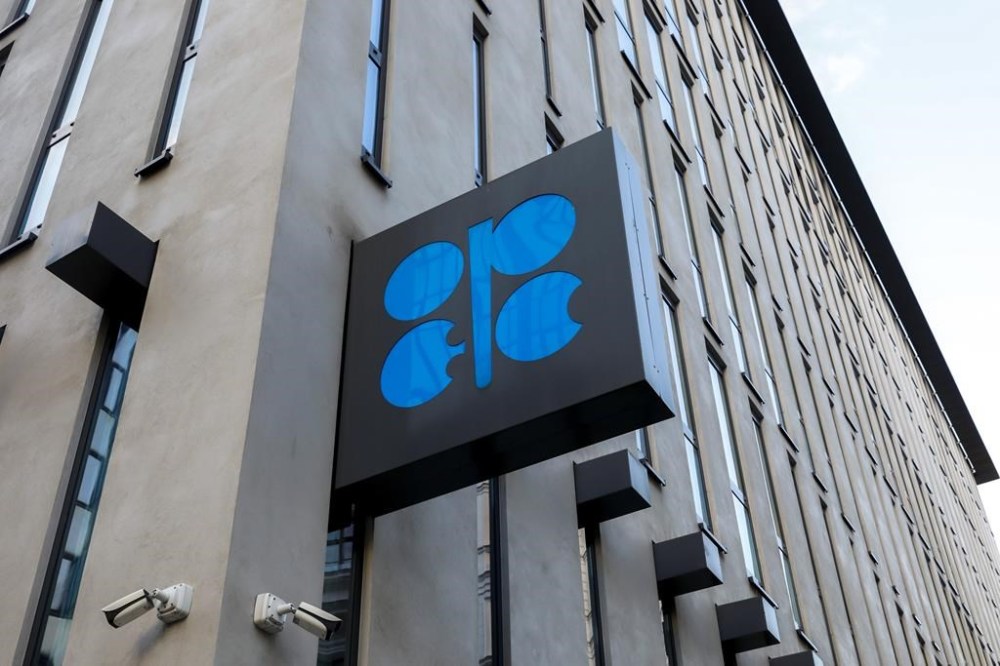
At the meeting, Angola’s production level was dropped to 1.11 million barrels per month after an assessment by the three independent sources, the organization said.
OPEC, led by Saudi Arabia, has been trying to bolster oil prices that have fallen in recent months over concerns about too much crude circulating in a weakening global economy, which could weigh on the thirst for oil for travel and industry.
The lower prices have been a good thing for U.S. drivers, who have been able to fill their gas tanks for less money in recent months but have hurt the bottom line of OPEC oil producers. The price of U.S. benchmark crude has fallen 8% this year.
Oil prices have gotten a boost in recent days as Yemen’s Houthi rebels have escalated attacks on ships in the Red Sea and companies have diverted vessels from traveling through the area, where huge amounts of the world’s energy supplies transit between the Middle East, Asia and Europe.

While losing Angola, OPEC announced at its meeting last month that it was bringing Brazil into the fold, a major oil producer that has been producing record amounts of crude this year, according to the International Energy Agency.
An OPEC spokesman didn’t immediately respond to an email seeking comment.