Find your pulse
Veganuary a good time to try some plant-based foods
Advertisement
Read this article for free:
or
Already have an account? Log in here »
To continue reading, please subscribe:

Digital Subscription
One year of digital access for only $205*
- Enjoy unlimited reading on winnipegfreepress.com
- Read the E-Edition, our digital replica newspaper
- Access News Break, our award-winning app
- Play interactive puzzles
*First annual payment billed as $205.00 + GST for one year. This annual subscription will automatically renew at $233.00 + GST every 52 weeks (10% off the regular annual price of $259.35). Offer available to new and qualified returning subscribers only. Cancel any time.
To continue reading, please subscribe:
Add Free Press access to your Brandon Sun subscription for only an additional
$1 for the first 4 weeks*
- Enjoy unlimited reading on winnipegfreepress.com
- Read the E-Edition, our digital replica newspaper
- Access News Break, our award-winning app
- Play interactive puzzles
*Your next Brandon Sun subscription payment will increase by $1.00 and you will be charged $17.95 plus GST for four weeks. After four weeks, your payment will increase to $24.95 plus GST every four weeks.
Read unlimited articles for free today:
or
Already have an account? Log in here »
Hey there, time traveller!
This article was published 17/01/2024 (978 days ago), so information in it may no longer be current.
As a new year arrives, many of us make resolutions to eat healthier. Following the holidays filled with decadent treats, it makes sense to take the opportunity to eat better.
Veganuary, a yearly event since 2014, takes place during January. For an entire month, participants are encouraged to go vegan, which means consuming no animal products. This initiative encourages opting for a plant-based diet as a way to initially challenge yourself over the first month of the year and then hopefully strive to continue this new lifestyle.
With North American cuisine heavily loaded with meat consumption, turning to plant-based proteins and alternatives may seem difficult, but they have existed for a long time and are easier than you think to incorporate into your meals.
PHIL HOSSACK / WINNIPEG FREE PRESS FILES
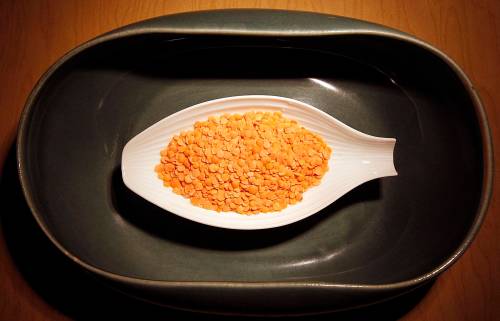
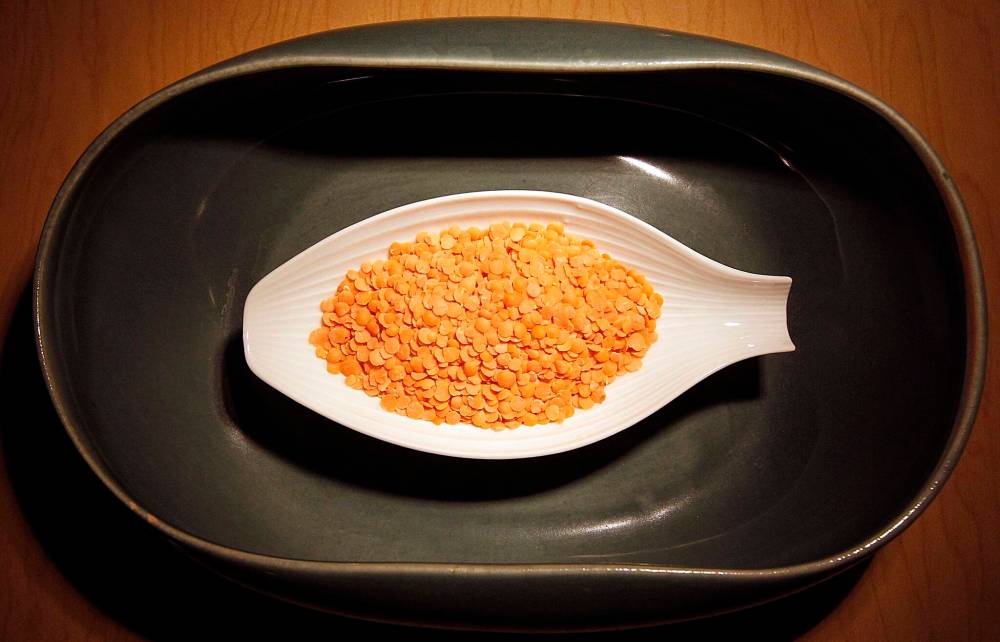
Lentils, which come in red, yellow, brown and light green colours, are versatile, cook easily and are inexpensive.
Through a U.K.-based, non-profit organization, the Veganuary initiative is followed by millions of participants worldwide and is undertaken with a concern for animal welfare and a vision to reduce animal suffering. Being environmentally conscious plays a role in taking up veganism. Research has shown that plant-based foods facilitate less water pollution, less climate-heating emissions and better land use.
Turning to plant-based foods in the form of legumes and pulses is a good start to replace meat on your plates.
What exactly are legumes and pulses? The latter are edible, dry seeds that come from the inside of legume plants which exist as pods. Examples of legumes are fresh peas, fresh beans and soybeans. Examples of pulses are split peas, lupins, chickpeas and other dry beans. Being an excellent source of protein, legumes and pulses fit well to replace your meat intake.
One particularly versatile pulse is lentils. The tiny disc- or lens-shaped pulse cooks easily and is inexpensive. Common colours are red, yellow, brown and light green. Some unique types are beluga lentils, which are black-hued, and Le Puy, or French lentils, with a slate green colour.
Dry lentils should be soaked overnight before boiling to soften the pulse. Soaking and boiling lentils helps to remove compounds that prevent digestion and limit the absorption of nutrients when consumed (lectins and phytates, respectively). Ensure you boil the lentils in a large pot, as they expand and yield a large quantity after being soaked.
The family of legumes and pulses are used to make staple dishes in Indian cuisine. A lentil curry is a favourite dish — a cosy and comforting meal.
Typically, in Indian cuisine, some of the dishes with pulses include butter and cream or whole milk to add richness. But for a vegan diet, which is dairy-free, you can use coconut milk or coconut cream as a substitute. They are vegan-friendly and add thickness to the texture of the lentils.
A twist on the dish is to enjoy lentils as a wholesome soup. Feel free to add a combination of veggies, including carrots, spinach, celery, bell peppers or zucchini, to make a more hearty and healthy dish — not to mention more colourful.
Herbs and spices are a must to add to a lentil curry or soup. Cilantro, onions, garlic and ginger add aroma and depth to the dish. Turmeric powder, cumin seeds, coriander powder, chilis and paprika add boldness to the blandness of lentils.

A salad dish with lentils also works well. Simply drain out the excess water from the boiled lentils and add the pulse when it cools down. Including cucumbers or radishes add a crunch, carrots and grape or cherry tomatoes add some sweetness and red onions add flavour. Either a lemon vinaigrette or any oil dressing will curate a creative lentil salad.
Besides having a high level of protein, lentils are high in fibre. Other noted nutrients are folate, iron, potassium, magnesium, zinc and B vitamins. They are low in fat, which helps good heart health while it lowers blood pressure and bad cholesterol.
Statistics Canada reported in 2022 that 1.7 million adult Canadians identify as vegans. With numerous studies revealing younger Canadians are keenly interested in a meat-free lifestyle, it appears this shift in eating is not a mere trend or fleeting fad, but instead here to stay.
As the Veganuary challenge embraces a host of positive impacts, it takes place at a perfect time — the welcoming of a new year, a time for a fresh, new start in our lives.
Romona Goomansingh, PhD, is an educator, freelance writer and author in Winnipeg.