Conspiracy Theories: Why we want to believe when the facts often aren’t there
Advertisement
Read this article for free:
or
Already have an account? Log in here »
To continue reading, please subscribe:
Digital Subscription
One year of digital access for only $1.44 a week*
- Enjoy unlimited reading on winnipegfreepress.com
- Read the E-Edition, our digital replica newspaper
- Access News Break, our award-winning app
- Play interactive puzzles
*Billed as $5.77 plus GST every four weeks. After 52 weeks, price increases to the regular rate of $19.95 plus GST every four weeks. Offer available to new and qualified returning subscribers only. Cancel any time.
To continue reading, please subscribe:
Add Free Press access to your Brandon Sun subscription for only an additional
$1 for the first 4 weeks*
- Enjoy unlimited reading on winnipegfreepress.com
- Read the E-Edition, our digital replica newspaper
- Access News Break, our award-winning app
- Play interactive puzzles
*Your next Brandon Sun subscription payment will increase by $1.00 and you will be charged $17.95 plus GST for four weeks. After four weeks, your payment will increase to $24.95 plus GST every four weeks.
Read unlimited articles for free today:
or
Already have an account? Log in here »
Hey there, time traveller!
This article was published 31/01/2024 (993 days ago), so information in it may no longer be current.
WASHINGTON (AP) — From fears about vaccines containing microchips to election rigging, conspiracy theories are popping up everywhere.
But belief in conspiracy theories isn’t new and it’s quite common, according to decades of surveys.
Psychologists say conspiracy theories survive because humans have a basic need to explain the world around them.

When something challenges people’s understanding, they sometimes fill in the blanks with their best guesses. Or in times of uncertainty, they seek out voices of those who claim to know what’s going on — and that may provide some comfort.
Consider conspiracies about vaccines containing microchips. Such conspiracies speak to concerns about the pace of technology. They gained a lot of traction at an especially uncertain and frightening time, during COVID-19 lockdowns.
These theories can make believers feel like they have insider information about what’s really going on, even if that’s not backed up by facts.
The internet has made it much easier to find and spread these falsehoods. Many websites and personalities have embraced conspiracy theories to home in on that natural human need to attract audiences.

And with so much information online, it’s hard to know what and whom to trust.
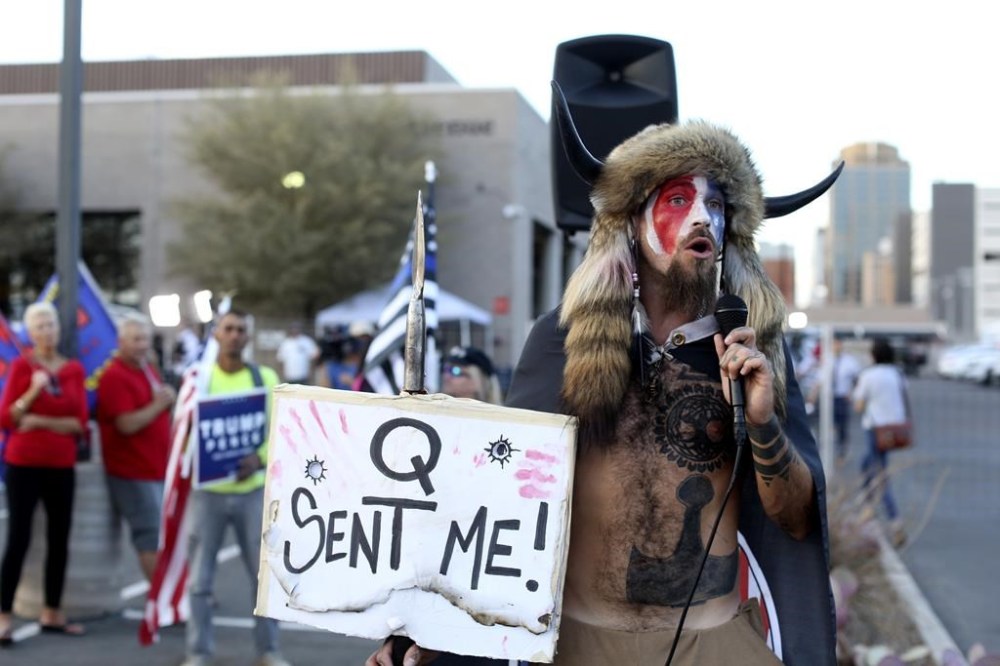
The Associated Press undertook an examination of conspiracy theories, speaking to experts in psychology, to people who believe in such theories today and to people who consider themselves reformed theorists.