

Japan’s government OKs new foreign trainee program to attract more workers as its population shrinks
Advertisement
Read this article for free:
or
Already have an account? Log in here »
To continue reading, please subscribe:

Digital Subscription
One year of digital access for only $205*
- Enjoy unlimited reading on winnipegfreepress.com
- Read the E-Edition, our digital replica newspaper
- Access News Break, our award-winning app
- Play interactive puzzles
*First annual payment billed as $205.00 + GST for one year. This annual subscription will automatically renew at $233.00 + GST every 52 weeks (10% off the regular annual price of $259.35). Offer available to new and qualified returning subscribers only. Cancel any time.
To continue reading, please subscribe:
Add Free Press access to your Brandon Sun subscription for only an additional
$1 for the first 4 weeks*
- Enjoy unlimited reading on winnipegfreepress.com
- Read the E-Edition, our digital replica newspaper
- Access News Break, our award-winning app
- Play interactive puzzles
*Your next Brandon Sun subscription payment will increase by $1.00 and you will be charged $17.95 plus GST for four weeks. After four weeks, your payment will increase to $24.95 plus GST every four weeks.
Read unlimited articles for free today:
or
Already have an account? Log in here »
Hey there, time traveller!
This article was published 09/02/2024 (954 days ago), so information in it may no longer be current.
TOKYO (AP) — The Japanese government adopted plans on Friday to scrap its current foreign trainee program, which has been criticized as a cover for importing cheap labor, and replace it with a system it says will actually teach skills and safeguard trainees’ rights as Japan desperately seeks more foreign workers to supplement its aging and shrinking workforce.
Under the new program approved on Friday at a meeting of related Cabinet ministers, people who arrive on a three-year trainee visa will be able to upgrade to a skilled worker category that would allow them to stay up to five years and possibly obtain permanent residency.
Japan’s population of 126 million is rapidly aging and shrinking, and many short-staffed industries, including services, manufacturing and construction, rely heavily on foreign trainees and language students. Japan also grants visas to some white-collar professionals, often from the West.
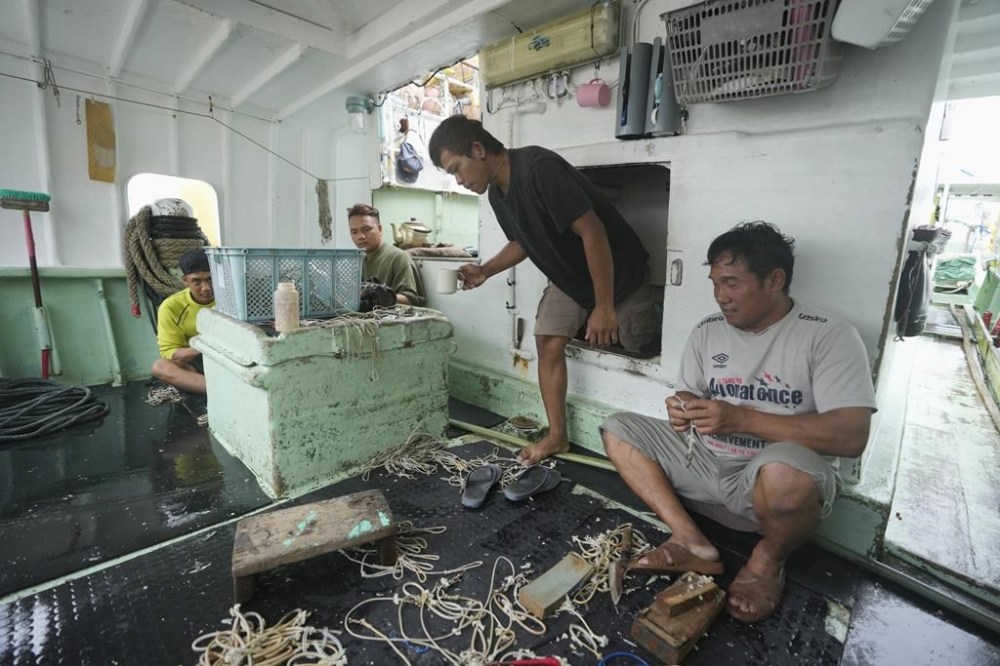
The current Technical Intern Training Program, introduced in 1993 as a way of transferring skills to developing countries through youth training, has been criticized as a scheme for importing cheap labor under abusive conditions and unequal benefits. As of last June, nearly 360,000 trainees were participating in the program, with most from Vietnam, followed by Indonesia and the Philippines, according to government data.
The new plan, which still requires parliamentary approval, follows the recommendation of a government panel last year that the current system be abolished after reports of rampant abuses, labor rights violations and other maltreatment.
The new program will continue to restrict which types of jobs are available to foreign trainees, as the conservative governing party remains reluctant to allow a more open immigration policy.
Japan’s lack of diversity and inclusivity as well as its comparatively low pay has been making it less attractive to foreign workers, who are increasingly choosing other Asian countries such as South Korea.
“The government seeks to create an inclusive society, and we want to make Japan a country that foreign workers will choose,” Prime Minister Fumio Kishida said at the Cabinet meeting where the new policy was endorsed.

The current program prohibits trainees from changing workplaces, a rule that caused thousands to run away from their employers due to unpaid wages, harassment and other maltreatment. The new system would allow them to change jobs after working for one to two years, but only in the same job category.
Applicants for the new trainee system will also be required to pass a Japanese language proficiency test.