An explosive exposé
State of global nuclear arsenal detailed in eye-opening account
Advertisement
Read this article for free:
or
Already have an account? Log in here »
To continue reading, please subscribe:

Digital Subscription
One year of digital access for only $205*
- Enjoy unlimited reading on winnipegfreepress.com
- Read the E-Edition, our digital replica newspaper
- Access News Break, our award-winning app
- Play interactive puzzles
*First annual payment billed as $205.00 + GST for one year. This annual subscription will automatically renew at $233.00 + GST every 52 weeks (10% off the regular annual price of $259.35). Offer available to new and qualified returning subscribers only. Cancel any time.
To continue reading, please subscribe:
Add Free Press access to your Brandon Sun subscription for only an additional
$1 for the first 4 weeks*
- Enjoy unlimited reading on winnipegfreepress.com
- Read the E-Edition, our digital replica newspaper
- Access News Break, our award-winning app
- Play interactive puzzles
*Your next Brandon Sun subscription payment will increase by $1.00 and you will be charged $17.95 plus GST for four weeks. After four weeks, your payment will increase to $24.95 plus GST every four weeks.
Read unlimited articles for free today:
or
Already have an account? Log in here »
Hey there, time traveller!
This article was published 10/02/2024 (887 days ago), so information in it may no longer be current.
If it wasn’t for the critical acclaim of the film Oppenheimer this past year, many people would have been excused for having forgotten all about the threat of nuclear cataclysm; it’s not something front of mind in media or in most daily conversation.
But nuclear missiles have not simply gone away and science journalist Sarah Scoles, in her book Countdown: The Blinding Future of Nuclear Weapons, warns us that this should be more of a concern.
“After the Cold War, radioactive megadeath moved largely to the back of the American mind,” Scoles says. “It was there, sure — lurking, quiet. But potential nuclear Armageddon was a reality most of us just grew up with and so it rested between our neurons as inherited knowledge. And like most passed-down ideas, it often went unexamined.”
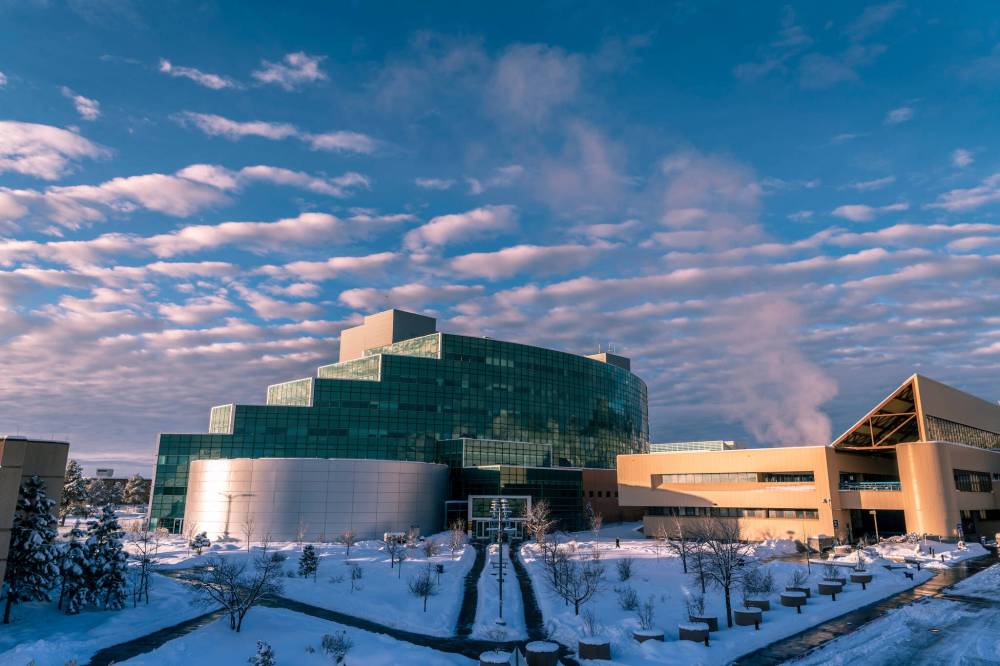
Los Alamos National Laboratory
The National Security Sciences Building at the Los Alamos National Laboratory in New Mexico is one of many U.S. facilities engaged in research about nuclear weapons and taking care of America’s existing stockpile.
Scoles takes on the task of examining the nature and consequence of exactly who is maintaining the world arsenal of nuclear weapons, what that entails and why the status quo is not an acceptable way forward.
Determining who is taking care of the nuclear stockpile is enough of a challenge on its own, as much of the work is being done under high security. Yet Scoles managed to interview dozens of scientists and officials at a veritable alphabet soup of institutions, such as the National Nuclear Security Administration (NNSA), Los Alamos National Laboratory (LANL) and even the Waste Isolation Pilot Plant (WIPP) near Carlsbad, New Mexico.
What she found was unsettling. In 2014 at WIPP, for example, a drum full of nuclear waste burst open, causing a fire and irradiating 22 workers. The cause was traced to having used the wrong kind of organic material in the containment, but Scoles also noted that the perfect storm of politics, financial concerns, California wildfires and scientific errors all contributed to the accident.
The scientific issue is of significant importance. Many of the scientists working with existing nuclear weaponry today are of the generation that grew up after the worldwide ban on nuclear testing. While not exactly caretakers, they are nevertheless unable to advance the scientific understanding of nuclear detonation. Officially.
Most researchers with the NNSA, for example, “are neither hawks nor total doves: they don’t favor immediate and total disarmament but seem to occupy a middle ground.”
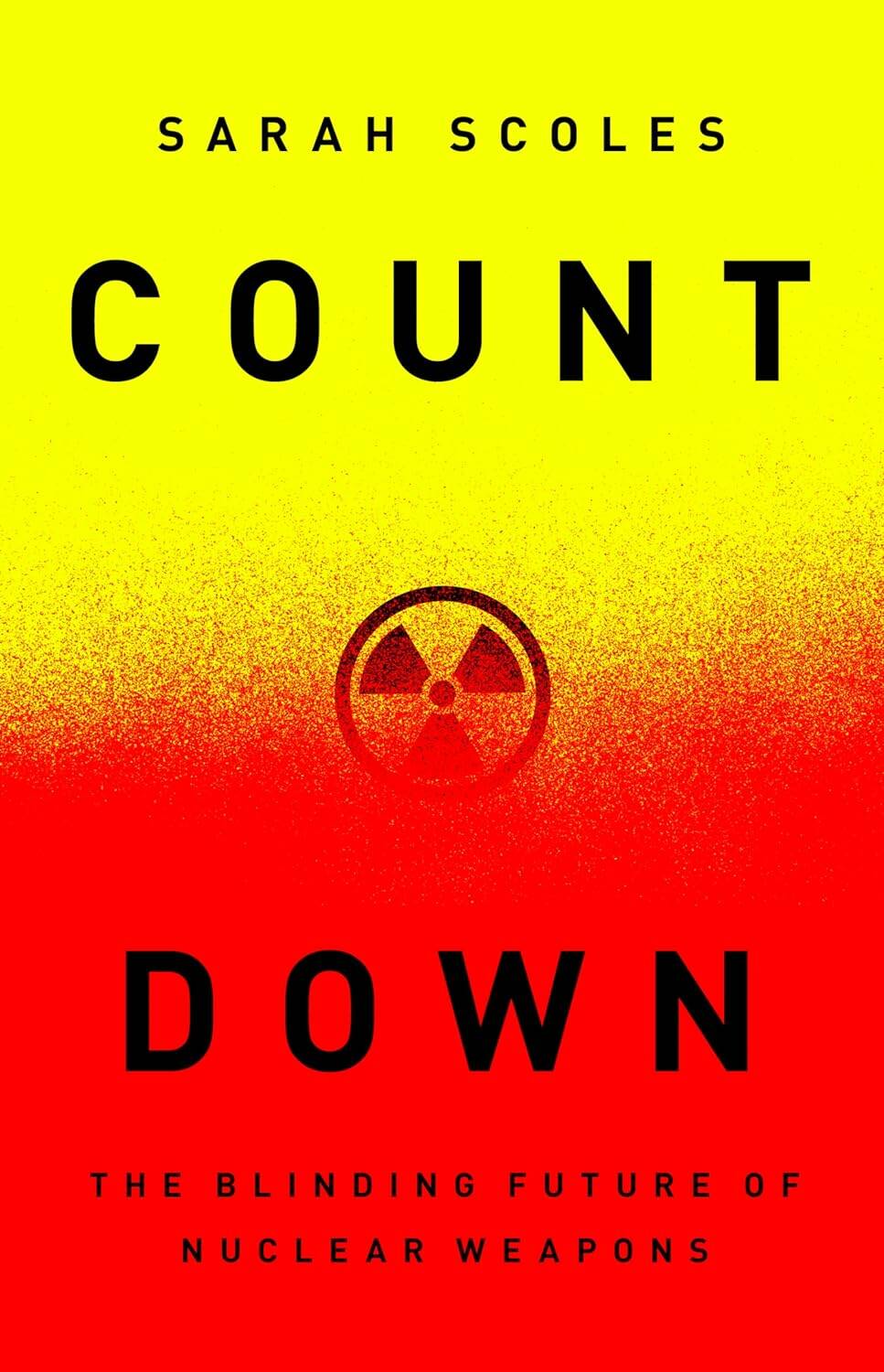
Countdown
In the detailed and thoroughly researched Countdown, Scoles notes that because testing is not allowed, nuclear scientists “work from the bottom up to understand all parts of their weapons… researchers blow up models of weapons cores using surrogate materials instead of plutonium, take high-frequency pictures, and compare the outcomes to their digital predictions.”
However, the problem is that there’s no longer any guarantee a particular nuclear bomb will detonate as predicted. There is some concern that plutonium itself may degrade in unexpected ways and the existing arsenal may not perform if needed. The solution? Make more plutonium.
Inside a secret American nuclear facility, Scoles spoke with scientists preparing to manufacture new plutonium cores (called “pits”) to replace aging ones in nuclear weapons around the world. Reminiscent of the original Manhattan Project, America is entering a new phase of nuclear deterrence.
To accomplish this, the U.S. Department of Energy is also rebuilding its human arsenal of scientists by funding fellowships for graduate students in fields related to nuclear research and then bringing them to facilities such as LANL for hard pitches.
“Today, recruiting young scientists who weren’t even glimmers in their parents’ gonads when the Cold War ended can be difficult,” Scoles explains.
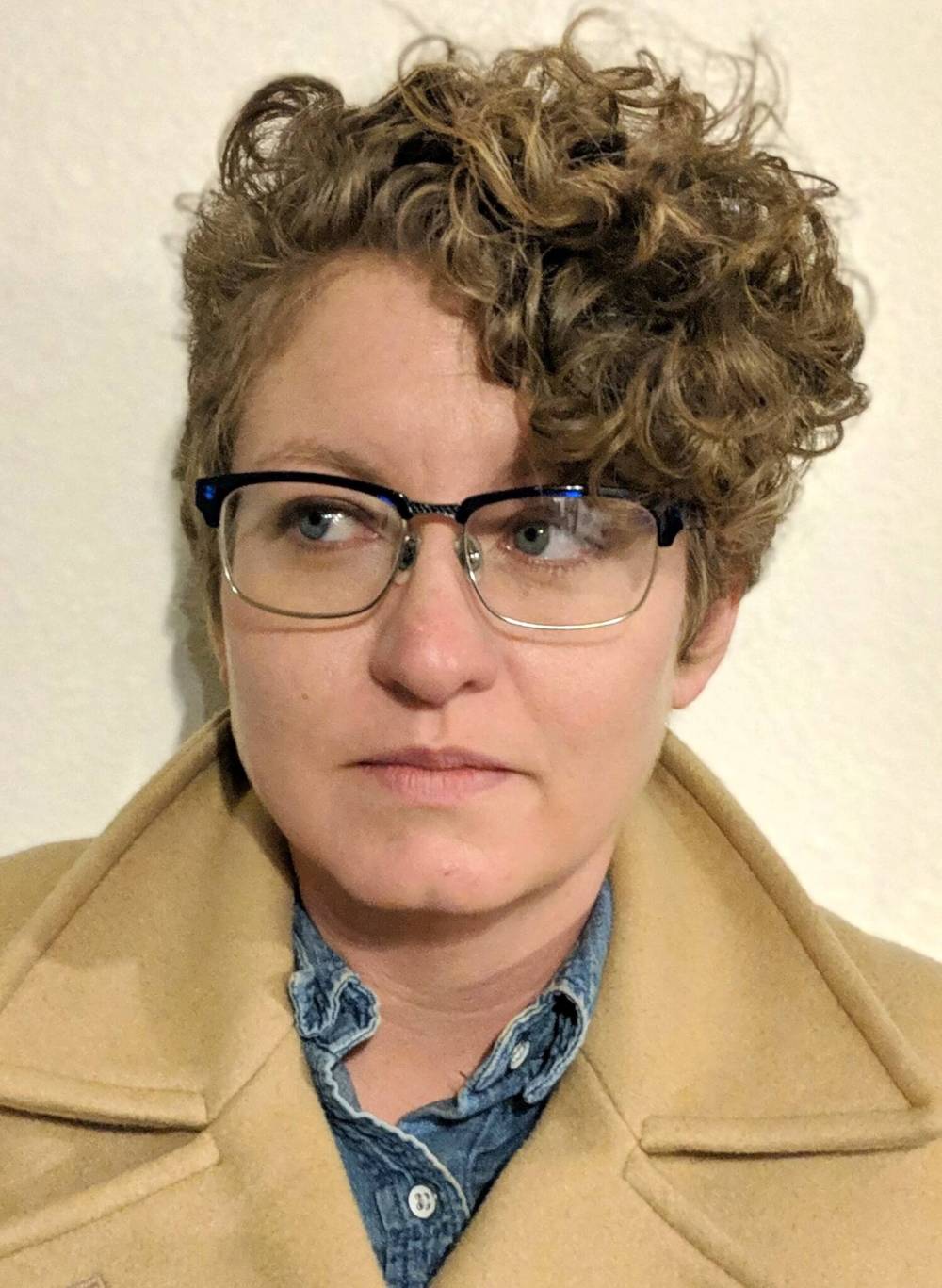
Rebekah Scoles photo
Sarah Scoles

The ultimate reason for the renewal of weapons and scientific expertise is the original concept of mutually assured destruction, which major world powers understood as deterrence. But Scoles notes how Russia’s recent action in Ukraine has shifted the equation from nuclear deterrence to nuclear compellence, threatening global stability.
To help combat this, scientists are working on an integrated nuclear detonation detection system as a watchdog for possible violation of the test ban treaty, although Scoles found it is not perfect.
The best solution to nuclear stability today, therefore, seems to be a renewed worldwide awareness of American capability and readiness. While most work is highly classified, some public release of information may caution nuclear states about what is being done out of public view and Countdown may be part of the process.
A review of a book about current nuclear deterrence and readiness could also be part of the plan.
Chris Rutkowski grew up during the Cold War and is still nervous today.

Universal Pictures / The Associated Press files
The 2023 film Oppenheimer has reignited conversations about nuclear weapons.