

Astronomers spot new tiny moons around Neptune and Uranus
Advertisement
Read this article for free:
or
Already have an account? Log in here »
To continue reading, please subscribe:
Digital Subscription
One year of digital access for only $1.44 a week*
- Enjoy unlimited reading on winnipegfreepress.com
- Read the E-Edition, our digital replica newspaper
- Access News Break, our award-winning app
- Play interactive puzzles
*Billed as $5.77 plus GST every four weeks. After 52 weeks, price increases to the regular rate of $19.95 plus GST every four weeks. Offer available to new and qualified returning subscribers only. Cancel any time.
To continue reading, please subscribe:
Add Free Press access to your Brandon Sun subscription for only an additional
$1 for the first 4 weeks*
- Enjoy unlimited reading on winnipegfreepress.com
- Read the E-Edition, our digital replica newspaper
- Access News Break, our award-winning app
- Play interactive puzzles
*Your next Brandon Sun subscription payment will increase by $1.00 and you will be charged $17.95 plus GST for four weeks. After four weeks, your payment will increase to $24.95 plus GST every four weeks.
Read unlimited articles for free today:
or
Already have an account? Log in here »
Hey there, time traveller!
This article was published 23/02/2024 (829 days ago), so information in it may no longer be current.
WASHINGTON (AP) — Astronomers have found three previously unknown moons in our solar system — two additional moons circling Neptune and one around Uranus.
The distant tiny moons were spotted using powerful land-based telescopes in Hawaii and Chile, and announced Friday by the International Astronomical Union’s Minor Planet Center.
The latest tally puts Neptune at 16 known moons and Uranus at 28.
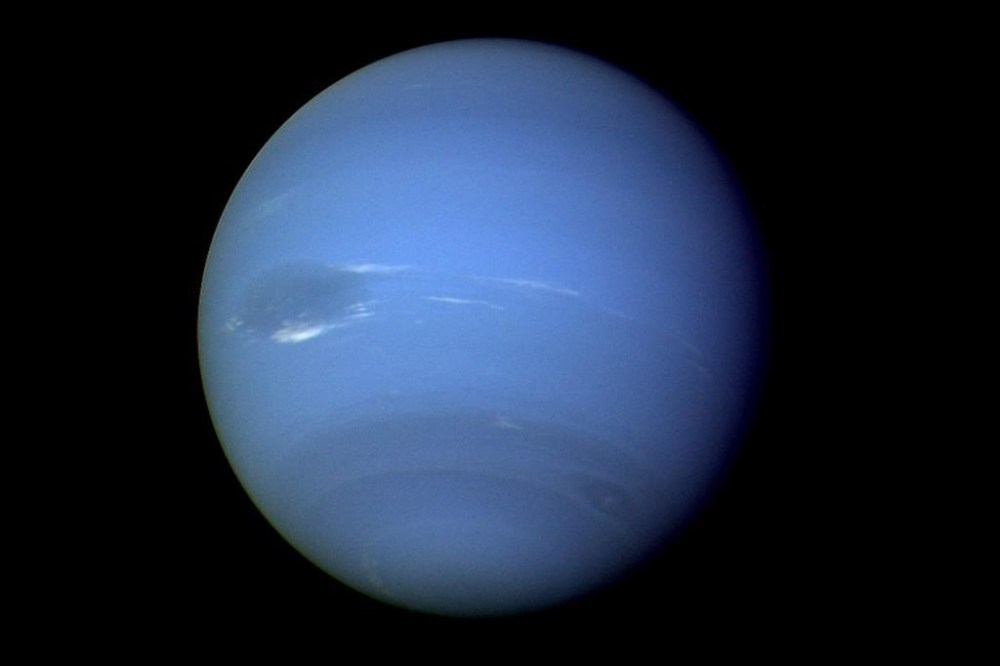
One of Neptune’s new moons has the longest known orbital journey yet. It takes around 27 years for the small outer moon to complete one lap around Neptune, the vast icy planet farthest from the sun, said Scott Sheppard, an astronomer at the Carnegie Institution for Science in Washington who helped make the discovery.
The new moon orbiting Uranus, with an estimated diameter of just 5 miles (8 kilometers), is likely the smallest of the planet’s moons.
“We suspect that there may be many more smaller moons” yet to be discovered, he said.
___
The Associated Press Health and Science Department receives support from the Howard Hughes Medical Institute’s Science and Educational Media Group. The AP is solely responsible for all content.