Biden administration restores threatened species protections dropped by Trump
Advertisement
Read this article for free:
or
Already have an account? Log in here »
To continue reading, please subscribe:

Digital Subscription
One year of digital access for only $205*
- Enjoy unlimited reading on winnipegfreepress.com
- Read the E-Edition, our digital replica newspaper
- Access News Break, our award-winning app
- Play interactive puzzles
*First annual payment billed as $205.00 + GST for one year. This annual subscription will automatically renew at $233.00 + GST every 52 weeks (10% off the regular annual price of $259.35). Offer available to new and qualified returning subscribers only. Cancel any time.
To continue reading, please subscribe:
Add Free Press access to your Brandon Sun subscription for only an additional
$1 for the first 4 weeks*
- Enjoy unlimited reading on winnipegfreepress.com
- Read the E-Edition, our digital replica newspaper
- Access News Break, our award-winning app
- Play interactive puzzles
*Your next Brandon Sun subscription payment will increase by $1.00 and you will be charged $17.95 plus GST for four weeks. After four weeks, your payment will increase to $24.95 plus GST every four weeks.
Read unlimited articles for free today:
or
Already have an account? Log in here »
Hey there, time traveller!
This article was published 28/03/2024 (932 days ago), so information in it may no longer be current.
BILLINGS, Mont. (AP) — The Biden administration on Thursday restored rules to protect imperiled species and shield their habitat from destruction after the measures were rolled back under former President Donald Trump.
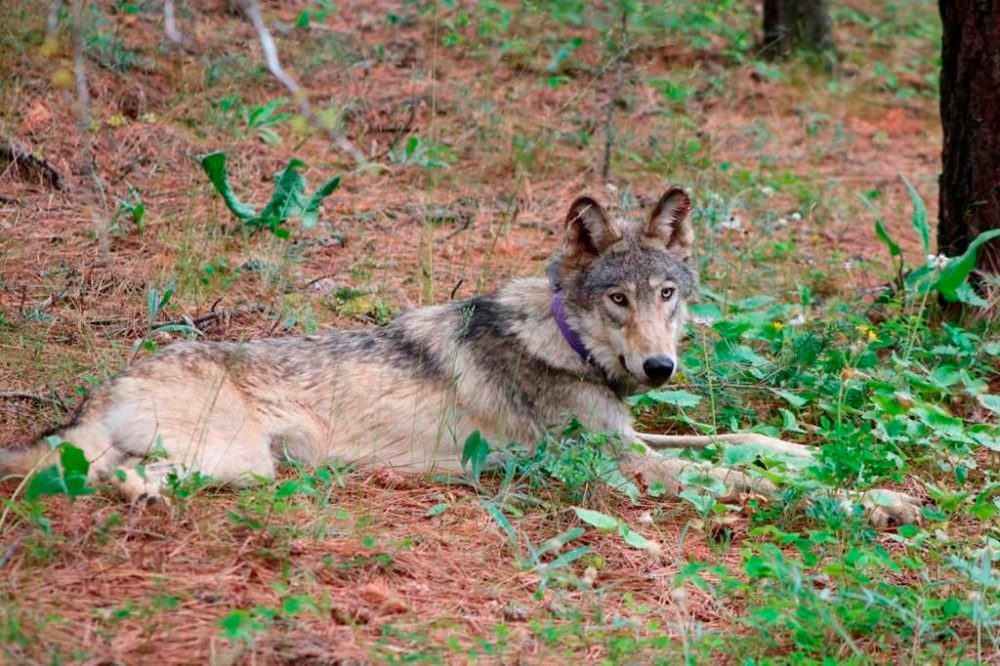
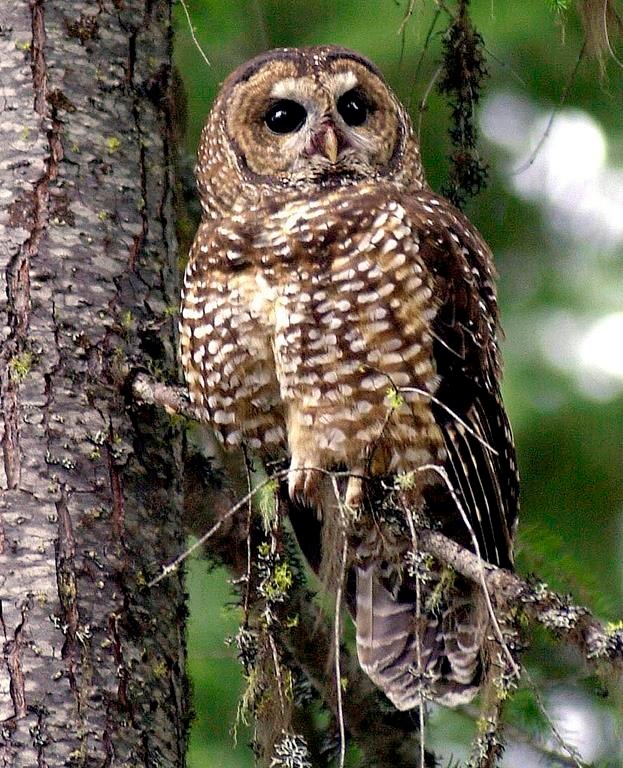
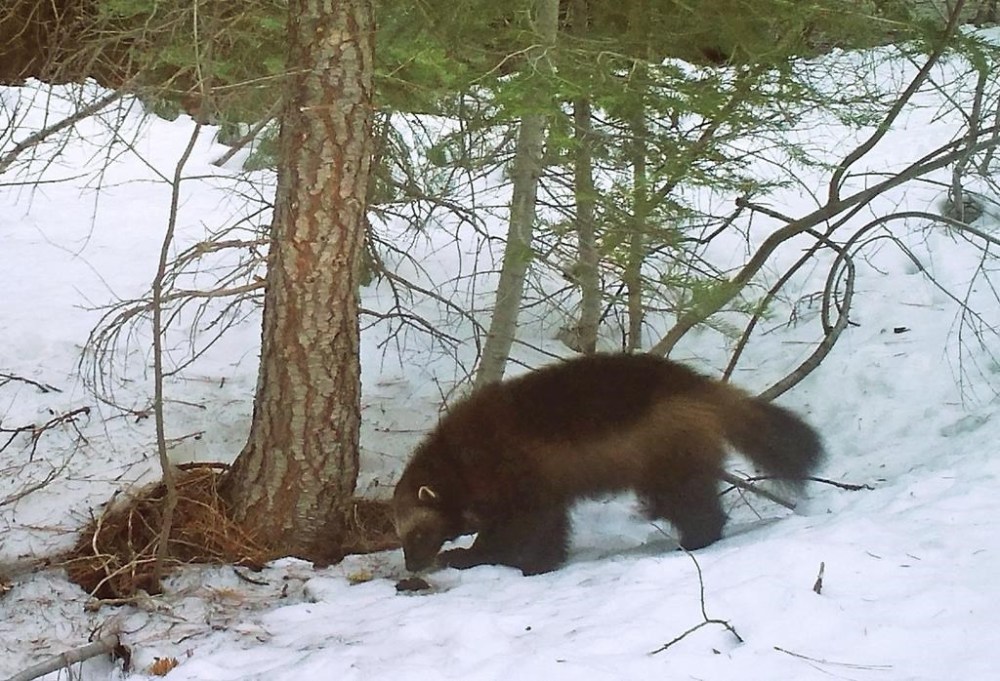
Among the changes, the U.S. Fish and Wildlife Service will reinstate a decades-old regulation that mandates blanket protections for animals and plants newly classified as threatened. That means officials won’t have to craft specific plans to shield each individual species while protections are pending, as has been done recently with North American wolverines in the Rocky Mountains, alligator snapping turtles in the Southeast and spotted owls in California.
The restoration of more protective regulations rankled Republicans who said the Endangered Species Act was being wielded too broadly and to the detriment of economic growth. Meanwhile, wildlife advocates were only partially satisfied, saying some potentially harmful changes under Trump were untouched.
The blanket protections rule had been dropped in 2019 as part of a suite of changes to the application of the species law under Trump that were encouraged by industry. Those changes came as extinctions accelerate globally due to habitat loss and other pressures.
Another rule issued Thursday clarifies that officials must decide if species merit threatened or endangered designations regardless of the potential economic costs of bestowing protections. That’s already government practice, but the 2019 Trump rules caused confusion because they removed an explicit directive to ignore economic impacts, said Fish and Wildlife Service Deputy Assistant Director Gina Shultz.
The rules from the wildlife service and National Marine Fisheries Service also make it easier to designate areas as critical for a species’ survival, even if it is no longer found in those locations.
That could benefit imperiled fish and freshwater mussels in the Southeast, where the aquatic animals in many cases are absent from portions of their historical range, officials have said.
Fish and Wildlife Service Director Martha Williams said in a statement that the rule changes underscored the agency’s commitment to using the best available science to halt population declines as “climate change, degraded and fragmented habitat, invasive species, and wildlife disease” threaten many species.
Details on the rules were obtained by The Associated Press in advance of their public release. Officials said almost a half-million public comments were submitted on the three proposals.
Environmentalists expressed frustration that it took years for Democratic President Joe Biden to act on some of the Trump-era rollbacks. Stoking their urgency is the prospect of a new Republican administration following the 2024 election that could yet again ease protections.
Jamie Rappaport Clark, a former Fish and Wildlife Service director and now president at Defenders of Wildlife, characterized Thursday’s announcement as a “marginal win” that restores essential protections for wildlife, but leaves in place some of the changes made in 2019 under Trump. The environmental group said the retained provisions would open the door to the destruction of habitat critical for some species to survive.
The rules have gotten strong pushback from Republican lawmakers, who say Biden’s Democratic administration has hampered oil, gas and coal development, and favors conservation over development.
“We know the Endangered Species Act is an outdated piece of legislation that has repeatedly failed its primary goal of recovering listed species, yet Biden is now undoing crucial reforms and issuing new regulations that will not benefit listed species,” said House Natural Resources Committee Chairman Bruce Westerman, a Republican from Arkansas.
Property rights attorney Jonathan Wood said the Biden administration’s changes reduce the incentive for private landowners to take voluntary conservation measures.
With blanket protections, species designated as “threatened” automatically qualify for the same protections as those with the more severe designation of “endangered.” That means landowners could become indifferent to a species’ fate, Wood said, because even if they work to get an endangered species downgraded to threatened, there might not be a lessening of government restrictions.
Shultz, with the Fish and Wildlife Service, said blanket protections would be used primarily for threatened plants, which are generally protected under federal law on federal lands but not private property. She said agency officials expect to continue crafting species-specific rules for threatened animals.
Many energy companies, ranchers, developers and representatives of other industries have long viewed the 1973 Endangered Species Act as an impediment. Under Trump, they successfully lobbied to weaken the law’s regulations as part of a broad dismantling of environmental safeguards.
The Biden administration two years ago withdrew a Trump rule that limited which lands and waters could be designated as places where imperiled animals and plants could receive federal protection. It also reversed Trump’s decision to weaken enforcement of the century-old Migratory Bird Treaty Act, which made it harder to prosecute bird deaths due to toxic oil industry waste pits, collisions with wind turbines and other causes.
Trump officials also rolled back protections for individual species including the northern spotted owl and gray wolf.
The spotted owl decision was reversed in 2021 after officials said Trump’s political appointees used faulty science to justify opening millions of acres of West Coast forest to potential logging. Protections for wolves across most of the U.S. were restored by a federal court in 2021.
The Endangered Species Act is credited with helping save the bald eagle, California condor and scores more animals and plants from extinction since President Richard Nixon signed it into law. It currently protects more than 1,600 species in the United States and its territories.