Transcultural connections New Canadians are tapping into vlogging as a means of sharing the challenges and joys of building a life in another country
Read this article for free:
or
Already have an account? Log in here »
To continue reading, please subscribe:

Digital Subscription
One year of digital access for only $205*
- Enjoy unlimited reading on winnipegfreepress.com
- Read the E-Edition, our digital replica newspaper
- Access News Break, our award-winning app
- Play interactive puzzles
*First annual payment billed as $205.00 + GST for one year. This annual subscription will automatically renew at $233.00 + GST every 52 weeks (10% off the regular annual price of $259.35). Offer available to new and qualified returning subscribers only. Cancel any time.
To continue reading, please subscribe:
Add Free Press access to your Brandon Sun subscription for only an additional
$1 for the first 4 weeks*
- Enjoy unlimited reading on winnipegfreepress.com
- Read the E-Edition, our digital replica newspaper
- Access News Break, our award-winning app
- Play interactive puzzles
*Your next Brandon Sun subscription payment will increase by $1.00 and you will be charged $17.95 plus GST for four weeks. After four weeks, your payment will increase to $24.95 plus GST every four weeks.
Read unlimited articles for free today:
or
Already have an account? Log in here »
Hey there, time traveller!
This article was published 05/04/2024 (862 days ago), so information in it may no longer be current.
About two minutes into the YouTube video tour of their downtown Winnipeg apartment, Maliha Tauqeer pauses and highlights some of the magnets on the fridge.
Supplied Bashshar and Maliha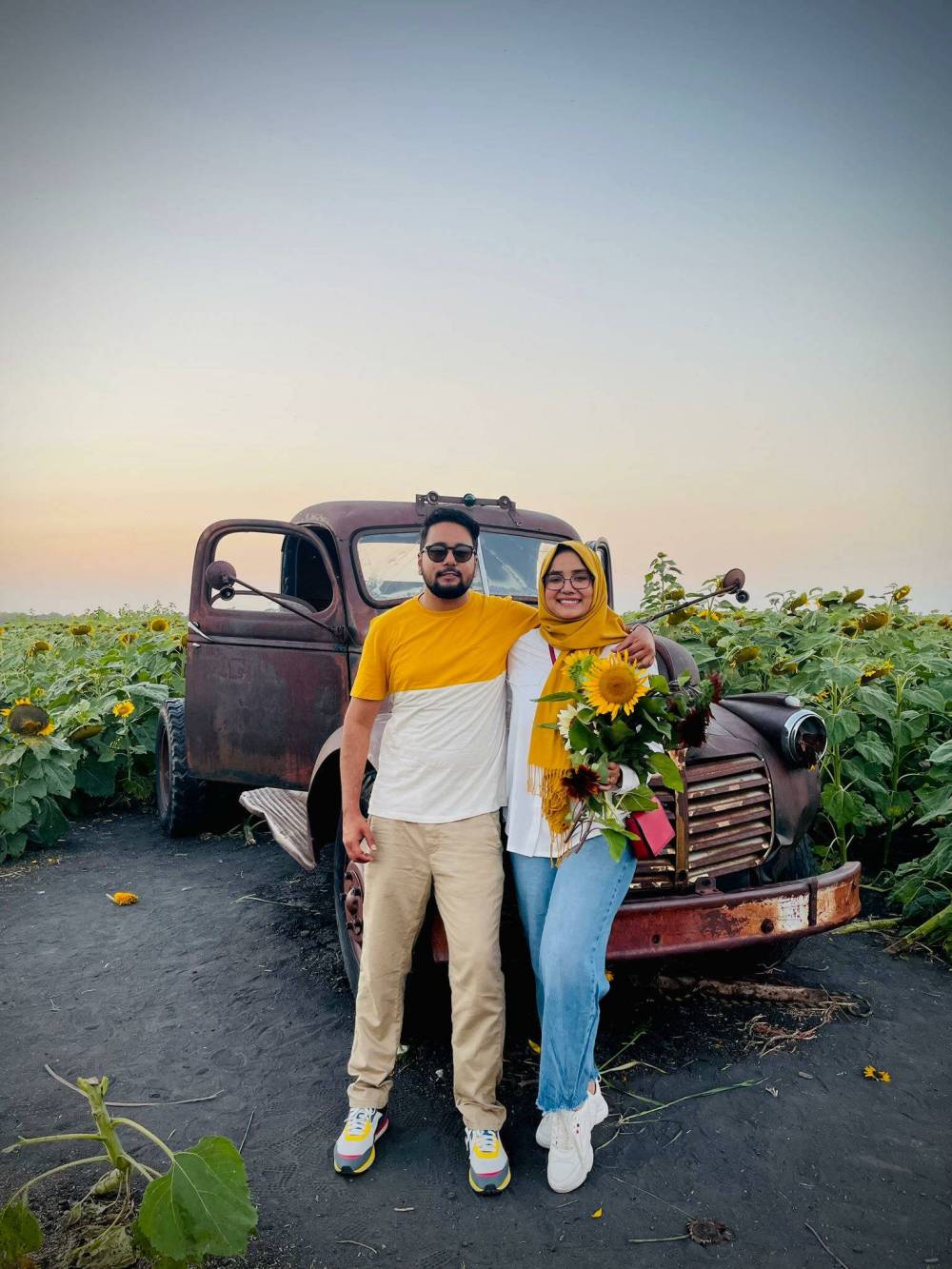
A CN Tower bottle opener and a Newfoundland landscape featuring a puffin are mixed in with India’s flag and a silhouette of the Taj Mahal.
Further into the video, Tauqeer’s husband Bashshar Habibulla gives a quick tour of their bathroom. Tauqeer showcases their bedroom before Habibulla closes with a view of the cityscape from their balcony.
It’s a breezy, benign snapshot of their everyday life.
The couple is among a growing number of newcomers who have taken to social media to offer a sneak peek into their new lives, break down cultural barriers and share first-time experiences.
Habibulla immigrated to Winnipeg in 2019. Within a year, stuck at home in the midst of the COVID-19 pandemic, he started vlogging about his life as a new Winnipegger.
He initially named his channel Mujahir Habibb, which translates to “immigrant friend” and is also wordplay involving his name.
Supplied Bashshar Habibulla and his wife Maliha Tauqeer deliver their vlogs in Hindi, the language of their target audience.
Habibulla, 33, an assistant sales manager, has more than 10,000 subscribers on YouTube and 6,000 followers on Instagram. He changed the channel’s name to Bashshar and Maliha once his wife, who works in human resources, moved to Canada and started vlogging with him in 2021.
He vlogs in Hindi because “jinke liye video bana rahe the, unhi ki zabaan mein dikhaya jaaye” (“I wanted to make content in the same language the folks back home speak”), he says in a Bihari accent that is archetypal of residents of a North Indian state.
His target audience comprises Indians and Pakistanis who are planning to come to Canada but are unfamiliar with the country’s quirks and traditions, as well as people back home who may never experience “Canadian life,” he says.
Among their vlogs are videos celebrating their first wedding anniversary at Pine Ridge Hollow, showing the process of moving into their first house, offering tips on how to pack to move to Canada and how to apply for a personalized licence plate.
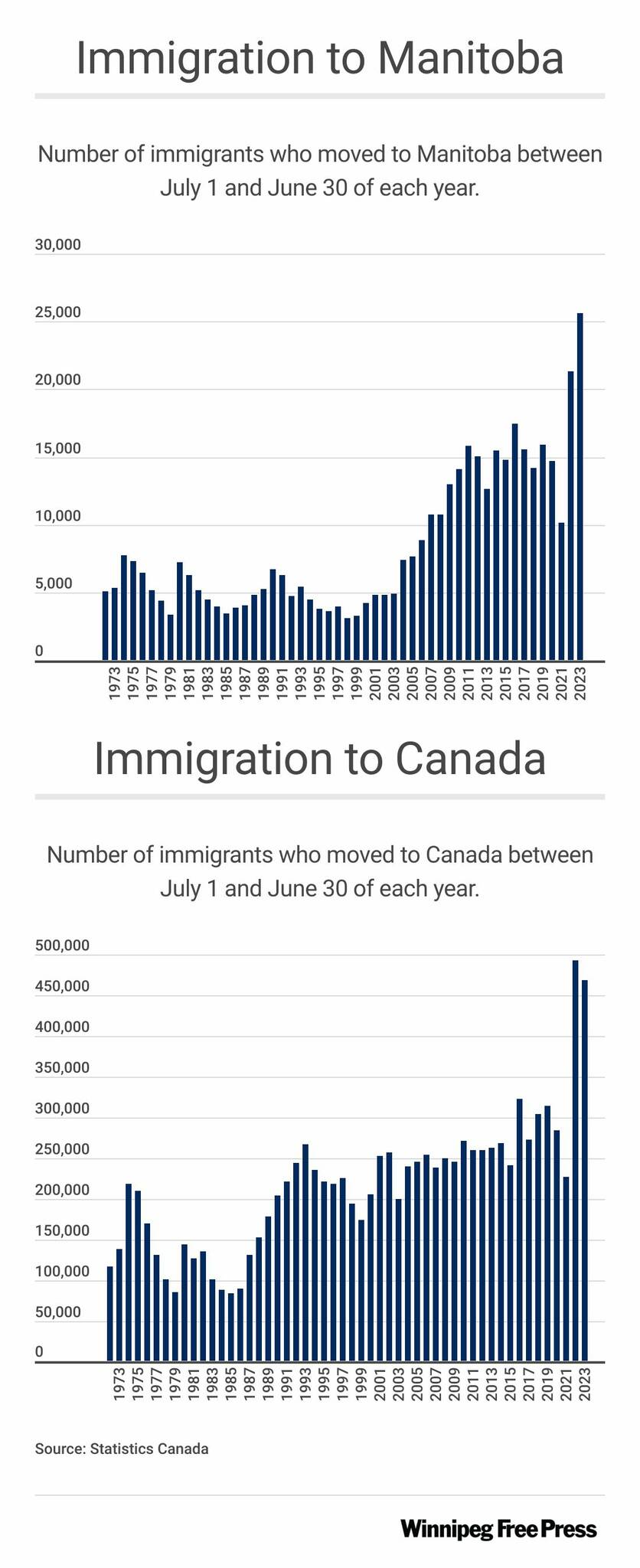
Habibulla and Tauqeer are among the thousands of newcomers Manitoba has attracted in the last decade, with the province averaging about 15,000 each year. Nationally, numbers soared as Prime Minister Justin Trudeau championed immigration to fuel economic growth and address labour shortages.
Supplied Lerma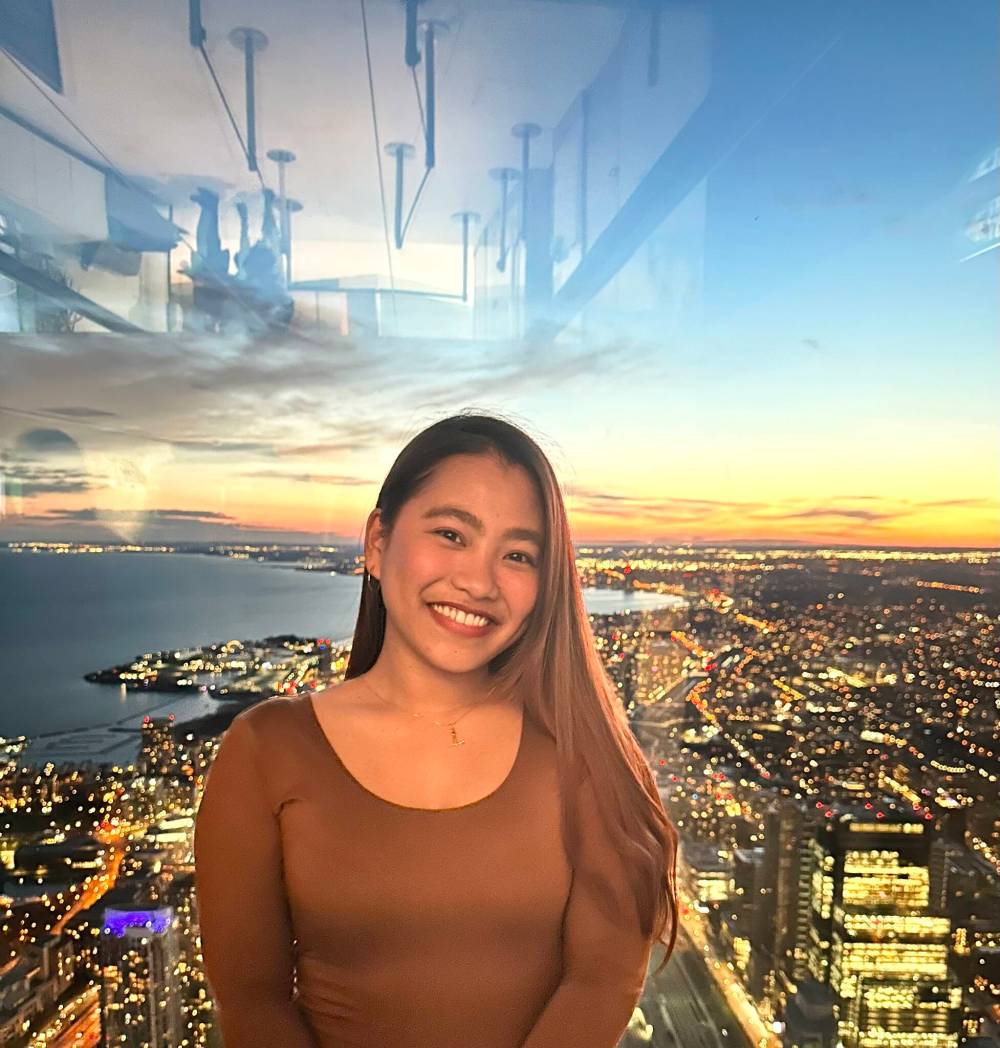
Lerma Alingalan was among the then-record 405,000 newcomers to Canada in 2021. Originally from the Philippines, she soon began vlogging her new life as an international student here.
“I would describe my content as raw,” the 31-year-old told the Free Press.
Alingalan has 17,000 subscribers on YouTube and 3,000 Facebook followers. She wants to tell people what life really is like as an international student. “I want them (aspiring international students) to be informed and inspired by my content.”
However, Lerma, who is based in Ajax, Ont., says she doesn’t want to glamourize her immigrant life, but show reality as it is “both good and bad.”
María Cervantes-Macías holds a degree in international relations from Tecnológico de Monterrey in Mexico and is currently a PhD candidate at the University of British Columbia. Her research has explored the ways in which immigration policies, digital technologies and education impact the choices of highly skilled migrants throughout their lives, shaping their understandings of citizenship and identity.
While her research was based on Mexican immigrants, commenting on the larger trend of vlogging among immigrants, Cervantes-Macías says she’s taken on the role of a “transcultural expert.”
“By sharing their experiences, immigrants navigate between their home and host cultures, enriching their sense of belonging in both,” she says.
Cervantes-Macías adds that navigating both cultures shapes their identities, both online and off, and enhances “feelings of belonging in their new community while still maintaining ties with their home country.”
Jonathan Hernandez, a 52-year-old Winnipeg Transit driver who immigrated to Winnipeg from the Philippines in 2011, started his TikTok account out of boredom during the COVID-19 lockdown.
TikTok Jonathan Hernandez
Little did he know he would become an internet sensation and a local celebrity overnight. Hernandez posted a video of himself dancing inside the bus in his uniform. With swagger and nonchalant expressions on his face, he displayed quirky dance moves, later transitioning to animated facial expressions.
“We were driving the bus with no one on it because no one was allowed to travel. The streets were so peaceful and quiet, and it’s just the bus that’s running at that moment. And then I was just so bored,” he says.
Hernandez, whose TikTok account has more than 40,000 likes, sporadically posts funny videos of himself dancing on the bus. He uses the hashtag “pinoybusdriverwinnipeg” that perfectly encapsulates his personality.
“I’m just having fun,” Hernandez says.
Recalling his newfound recognition, he says a group of elementary school students realized he was “the famous driver” once they got on the bus. “They started offering me drinks and everything,” he chuckles.
Hernandez hopes to someday start a blog about his life as a transit driver but says drivers are currently not allowed to speak about their work life in public. “Maybe sometime in the future I’ll do it,” he says.
Anastasia Artemova and Anna Antropova currently live in Toronto, having immigrated to Canada from Russia in 2009 and 2019, respectively.
In 2021, they were trying to come up with an idea to do something meaningful and interesting together. That’s when they took the plunge and started their YouTube channel Make That Change.
YouTube Anastasia Artemova, left, and Anna Antropova create videos for newcomers on their YouTube channel Make That Change.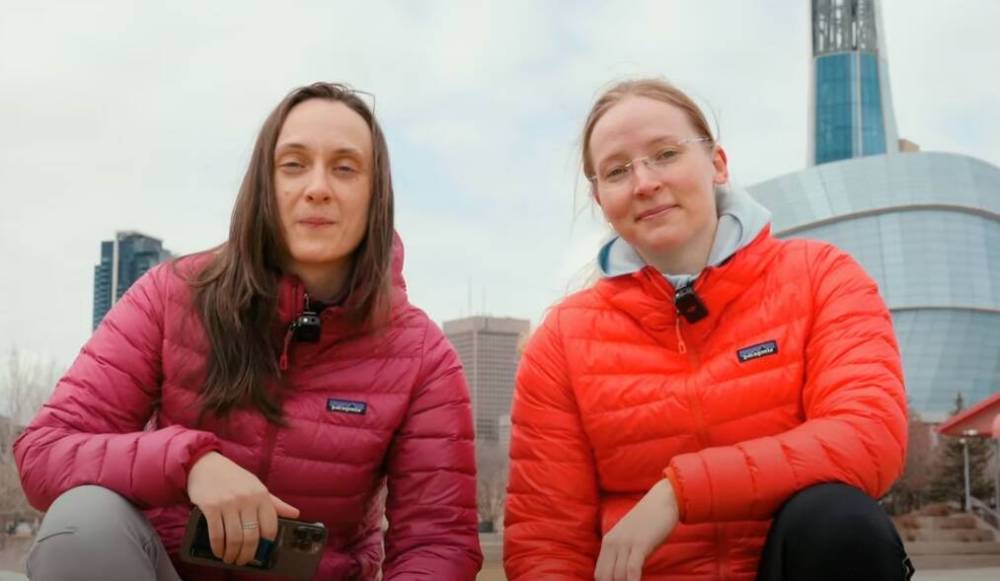
The duo currently has 54,400 YouTube subscribers and have created more than 130 videos to date.
Their favourite? A trip to Winnipeg that is part history lesson, part love letter. Calling it a hidden gem, they say the city far exceeded their expectations.
They describe their channel as “an inspirational call to action for everyone who’s brave enough to dare.” They don’t vlog their personal lives. Instead, they create more structured content, talking about how to move to Canada, how to create a resumé, highlighting jobs that are in demand and outlining how to build a credit history, among other topics.
When asked if they ever feel they have nothing left to cover, Artemova quips over a video interview: “It’s the opposite of that.”
Antropova elaborates.
“When we were planning to start a YouTube channel, we agreed that we needed to sit down and come up with 100 topics to talk about,” she says. “If we could do that, it means that we really have something to share.
“And we came up with 100 topics, and we are still not done presenting every topic on our YouTube channel, because once you start uploading new videos and get feedback, you can easily get detoured, because now you get the feedback from the audience, and you know what they actually want.”
Unlike some immigrant content creators, the women produce videos in English. “It’s the most spoken language in the whole world, so it attracts a wider range of audience by default,” Antropova says.
Supplied Raisssa Kalamai Wiysahnyuy hopes her immigration story resonates with others coming to Canada.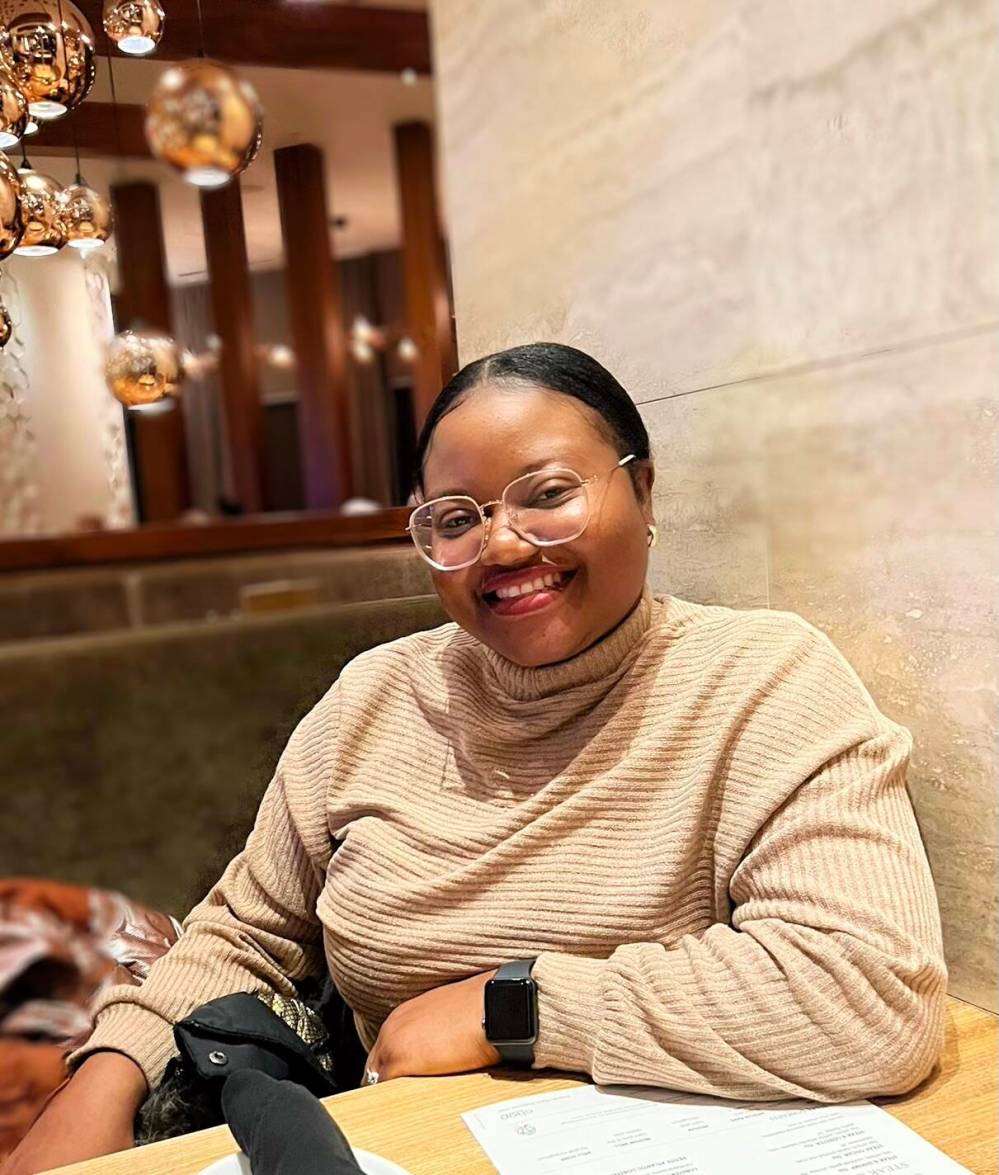
Raissa Kalamai Wiysahnyuy has also taken to vlogging to voice her experiences. The 31-year-old Calgary-based vlogger immigrated to Canada as an international student in 2015.
In her video Black people in Canada, Wiysahnyuy asserts that in order for a Black person to stand out in a Canadian workplace, they need to put in double the effort of a white person. She, however, insists that not everything is bad and says she is a living success story of an immigrant.
“International students sometimes have no idea about where they are going to end up when they leave their home countries,” says the engineer and mom who immigrated from Cameroon, a Central African country.
“They can see how I started from being a student, got done with school, got married and I’m now raising a family, all in Canada. I believe it’s a good story for me and a lot to share with those coming behind me.”
Vlogging and content creation assist immigrants in establishing an identity for themselves in a new country, help build a trusted community of like-minded individuals in Canada, maintain connections with loved ones back home, and create and promote their entrepreneurial ventures.
YouTube Anna (left) and Anastasia 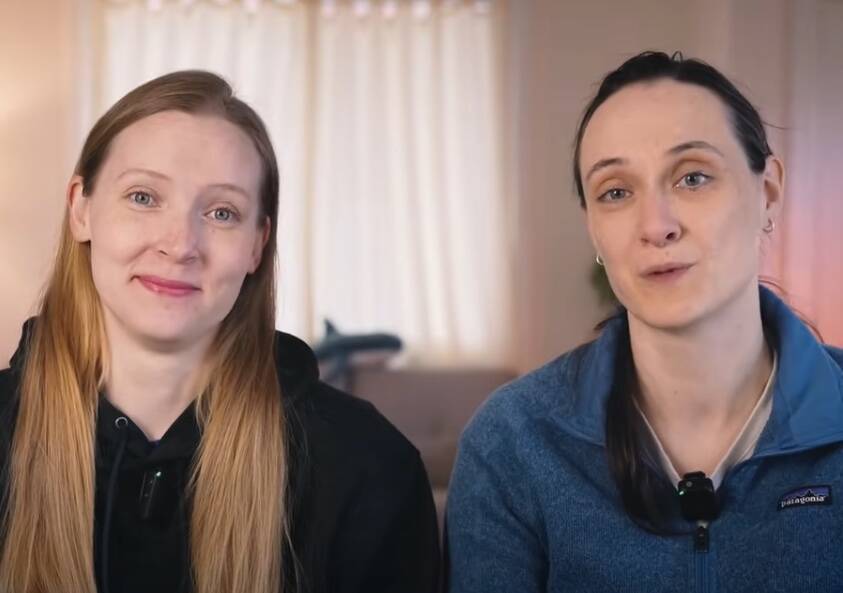
“It’s just a way for us to make ourselves known to other people,” Artemova says on why she believes immigrants are drawn to vlogging.
She adds that as newcomers, immigrants come to Canada without knowing anyone. They have to start from scratch, which is scary and intimidating.
By building a community through vlogging, Artemova says it sometimes helps validate their feelings and emotions and keeps them from feeling isolated.
“Sometimes you just like to make a rant video about like, ‘here’s the things that frustrate me about Canada.’ And then people pop in and kind of share and validate your own thoughts and feelings. And it kind of makes you feel better — ‘OK, I’m not alone.’ Like, I’m not the only one thinking about that. And it’s great.”
Vlogging has also helped Habibulla and Tauqeer to stay in touch with their extended families and friends back home.
“It’s really hard to stay connected with everyone because of the different time zones that we are living in. So vlogging is a nice way to stay connected with them. They can see what we are doing here, how we are doing. Our videos help us to stay connected with all of them,” Tauqeer says.
Cervantes-Macías agrees, saying vlogging becomes a way to facilitate long-distance relationships by keeping friends and family updated and providing valuable information for pathways to Canada, especially for migrants sharing similar socioeconomic contexts.
The immigrant vloggers and content creators unanimously agree feedback and support from people is what keeps them going. “Our YouTube channel is really helping us to connect with more people,” Tauqeer says.
“I know a couple of people who are now part of our group that we have formed of Indian Muslims in Manitoba who just got to know about this community and this group through our YouTube channel and they are in touch with us.”
She says building connections and being able to help others is the most satisfying part of vlogging.
“Since they are new here, if they need any help — be it getting their new phone number or what are the halal grocery stores in the city — they reach out to us.”
Artemova says it’s great that more people are deciding to become vloggers because “you need to speak up (as immigrants).”
“You need to speak up in this country so that the authorities know what immigrants face in this country and learn about the issues.”
To further explain her point, she says Canada does a really good job of bringing in immigrants, but isn’t so great after that. “And that’s where I think we need to make the most impact,” she explains.
“We’re trying to bridge that gap for newcomers who suddenly find themselves with zero support from the government or anyone else,” Artemova says. “They feel alone, lost. What should I do? And that’s where I hope we, along with other vloggers, can really help smooth that journey.”
tahira.khan@freepress.mb.ca
Related Articles
International students sad, scared as study permits set to expire
History
Updated on Friday, April 5, 2024 1:57 PM CDT: Adds link