Russia aborts planned test launch of new heavy-lift space rocket
Advertisement
Read this article for free:
or
Already have an account? Log in here »
To continue reading, please subscribe:

Digital Subscription
One year of digital access for only $205*
- Enjoy unlimited reading on winnipegfreepress.com
- Read the E-Edition, our digital replica newspaper
- Access News Break, our award-winning app
- Play interactive puzzles
*First annual payment billed as $205.00 + GST for one year. This annual subscription will automatically renew at $233.00 + GST every 52 weeks (10% off the regular annual price of $259.35). Offer available to new and qualified returning subscribers only. Cancel any time.
To continue reading, please subscribe:
Add Free Press access to your Brandon Sun subscription for only an additional
$1 for the first 4 weeks*
- Enjoy unlimited reading on winnipegfreepress.com
- Read the E-Edition, our digital replica newspaper
- Access News Break, our award-winning app
- Play interactive puzzles
*Your next Brandon Sun subscription payment will increase by $1.00 and you will be charged $17.95 plus GST for four weeks. After four weeks, your payment will increase to $24.95 plus GST every four weeks.
Read unlimited articles for free today:
or
Already have an account? Log in here »
Hey there, time traveller!
This article was published 09/04/2024 (890 days ago), so information in it may no longer be current.
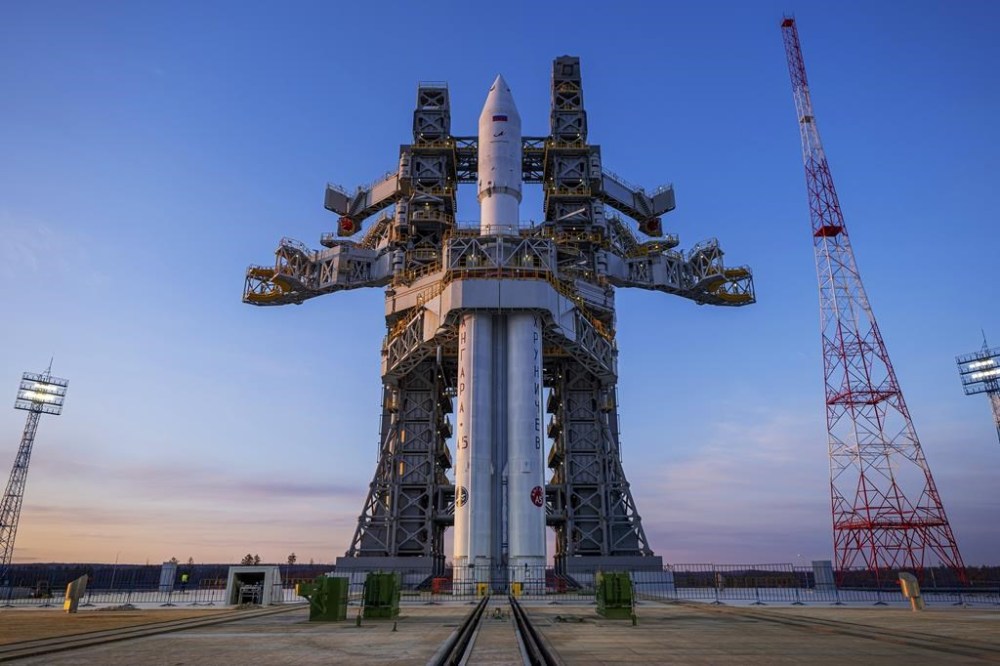
MOSCOW (AP) — Russian space officials on Tuesday aborted the test launch of a new heavy-lift rocket from its far-eastern launch pad.
The Angara-A5 rocket was scheduled to lift off from the Vostochny space launch facility at 0900 GMT Tuesday, but the launch was aborted two minutes before.
Yuri Borisov, head of Roscosmos state space corporation, said the automatic safety system canceled the launch after registering a flaw in the oxidizer tank pressurization system.
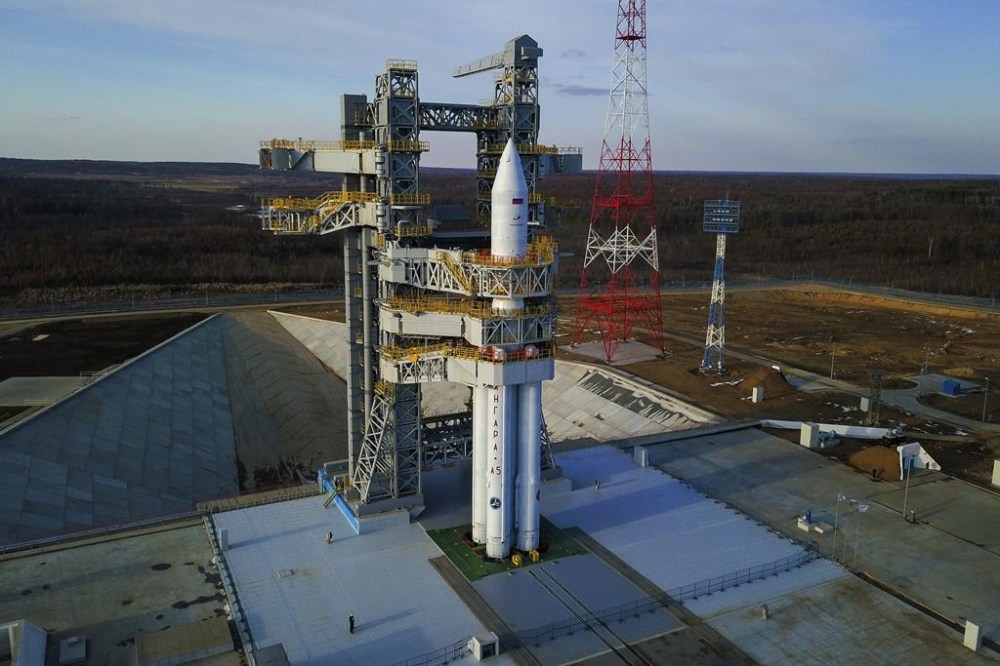
He said the next launch attempt was set for Wednesday.
Tuesday’s launch was to be the fourth for the Angara-A5, a heavy-lift version of the new Angara family of rockets that has been developed to replace the Soviet-designed Proton rockets.
The previous three launches were carried out from the Plesetsk launchpad in northwestern Russia.
After the 1991 breakup of the Soviet Union, Russia leased the Baikonur Cosmodrome from Kazakhstan and continued to use it for most of its space launches. The agreement with Kazakhstan allows Russia to keep leasing Baikonur for $115 million a year through 2050.
While Roscosmos has continued to rely on Baikonur, Russian authorities have developed Vostochny as the facility of choice for Angara launches. The construction of the new spaceport has dragged on for longer than planned and it has seen only limited use so far.