B.C. has lowest snowpack on record, drought a concern: BC River Forecast Centre
Advertisement
Read this article for free:
or
Already have an account? Log in here »
To continue reading, please subscribe:

Digital Subscription
One year of digital access for only $205*
- Enjoy unlimited reading on winnipegfreepress.com
- Read the E-Edition, our digital replica newspaper
- Access News Break, our award-winning app
- Play interactive puzzles
*First annual payment billed as $205.00 + GST for one year. This annual subscription will automatically renew at $233.00 + GST every 52 weeks (10% off the regular annual price of $259.35). Offer available to new and qualified returning subscribers only. Cancel any time.
To continue reading, please subscribe:
Add Free Press access to your Brandon Sun subscription for only an additional
$1 for the first 4 weeks*
- Enjoy unlimited reading on winnipegfreepress.com
- Read the E-Edition, our digital replica newspaper
- Access News Break, our award-winning app
- Play interactive puzzles
*Your next Brandon Sun subscription payment will increase by $1.00 and you will be charged $17.95 plus GST for four weeks. After four weeks, your payment will increase to $24.95 plus GST every four weeks.
Read unlimited articles for free today:
or
Already have an account? Log in here »
Hey there, time traveller!
This article was published 10/04/2024 (898 days ago), so information in it may no longer be current.
VANCOUVER – The April snow survey from the BC River Forecast Centre shows the lowest snowpack on record in British Columbia.
Jonathan Boyd, a hydrologist with the forecast centre, told a news conference Wednesday that the snowpack is 63 per cent of normal, which may mean an increased risk for drought this spring and summer.
There have been other low snow figures since they’ve begun recording the number in 1970, including 1981 at 68 per cent and 2015 with 65 per cent of the normal snowpack.
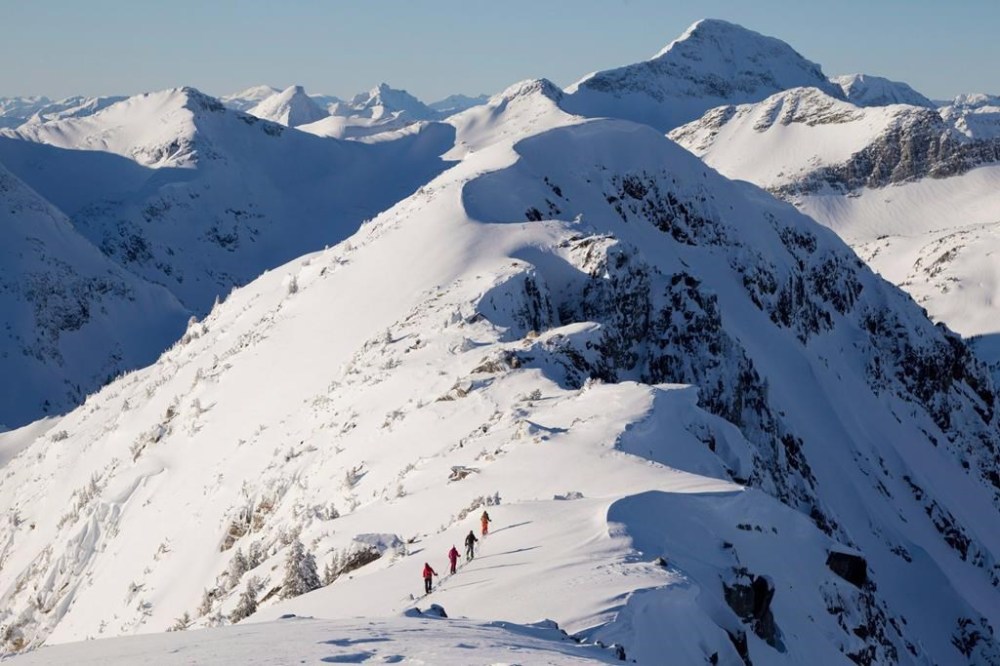
The latest monthly snow survey released Wednesday includes data from weather stations around the province. The centre said 95 per cent of the seasonal snowpack typically accumulates as of the April survey.
The forecast centre said dry conditions throughout March also left many northern and Interior regions “with near record low precipitation.”
Boyd said it is possible for snowpack to continue to climb into May if it is a cold or wet spring, adding that the “silver lining” is that flooding risk is lower for areas that consistently flood.
However, it’s also possible to have spring flooding, he said.
“Sudden and extreme rainfall, or persistent periods of heavy rainfall, can still cause flooding, especially smaller (and) medium-sized rivers in the Interior.”
Boyd said the low snowpack, impacts of drought from previous years and the seasonal forecast are all cause for provincewide concern about drought, though it is too early to know for certain.
“It still is a little bit premature, on a drought level, just based on the snow right now until we’ve actually gone through the melt season,” he told the news conference.
“Only time will tell and we’ll see what happens over the next maybe three to four weeks in terms of temperatures. Ideally, what we’d like … is seasonal temperatures with a little bit of precipitation.”
He said the low snowpack may also affect the fire season, though weather, specifically rain, will play a more important role.
“If we have last year’s spring weather conditions (again) this year, it will be worse from … a drought perspective,” he said of fire season.
Last year’s wildfire season saw more than 28,400 square kilometres of forest and land burned, hundreds of homes were destroyed and tens of thousands of people were forced to evacuate.
The drought was so severe last summer that the government brought in temporary protection orders for numerous rivers as flows declined and threatened spawning populations of fish.
It ordered farmers and other agricultural users to stop diverting water for irrigation of animal-feed crops such as hay and corn.
The drought level in B.C.’s north climbed early in the season to 5, the highest rating on the scale, which means there will be adverse economic and ecosystem values. It remained that high for the rest of 2023.
Nathan Cullen, B.C.’s minister of water, land and resource stewardship, said in a news release Wednesday that another potential drought is “concerning.”
“While some parts of B.C. still could experience prolonged rain or much needed late-season snowfall, we are taking action now to help communities, farmers and industry prepare for drought now so we can respond quickly, recover faster and be more ready for drier conditions,” he said.
He said that includes building more resilient water infrastructure and providing $100 million for a new Watershed Security Fund to protect B.C.’s water. He said the province is also holding workshops in communities to help farmers prepare for drought and to connect them with financial supports.
“Our government will continue to monitor stream flows and groundwater levels in the weeks and months ahead, and we will take extra steps as necessary,” Cullen added.
Coree Tull, co-chair of the B.C. Watershed Security Coalition, lauded the province for early communication about a potential drought and for the investments made in its 2024 budget. She specifically noted the funding for agricultural water storage and water metering, saying they are “really useful measures.”
“They’re moving (in) the right direction, but we need to see it faster and we need to see a much larger scale of investment to get ahead of these crises,” she said in an interview Wednesday.
After repeated years of climate crises, including drought, floods and fires, B.C. has entered an “era of water scarcity,” Tull added.
She said the province now needs to find ways to manage and increase supply, while reducing demand for water.
“We need to reduce the water that’s being used right across the board throughout the entire year, not just the spring and summer,” she said, noting that water limits should apply to both individuals and industries.
“We can also increase the supply by doing a better job of capturing and slowing down the water on the land, so when we get those big rain events (or) we get that rapid snowmelt, we can hold it on the land and use it when you need it.”
This report by The Canadian Press was first published April 10, 2024.
Related Articles
Before likely 'ferocious' wildfire season, fire chiefs worry about drop in volunteers
Advertisement Advertise With Us
Advertisement Advertise With Us