UN official highlights how better preparation has shrunk disaster deaths despite worsening climate
Advertisement
Read this article for free:
or
Already have an account? Log in here »
To continue reading, please subscribe:

Digital Subscription
One year of digital access for only $205*
- Enjoy unlimited reading on winnipegfreepress.com
- Read the E-Edition, our digital replica newspaper
- Access News Break, our award-winning app
- Play interactive puzzles
*First annual payment billed as $205.00 + GST for one year. This annual subscription will automatically renew at $233.00 + GST every 52 weeks (10% off the regular annual price of $259.35). Offer available to new and qualified returning subscribers only. Cancel any time.
To continue reading, please subscribe:
Add Free Press access to your Brandon Sun subscription for only an additional
$1 for the first 4 weeks*
- Enjoy unlimited reading on winnipegfreepress.com
- Read the E-Edition, our digital replica newspaper
- Access News Break, our award-winning app
- Play interactive puzzles
*Your next Brandon Sun subscription payment will increase by $1.00 and you will be charged $17.95 plus GST for four weeks. After four weeks, your payment will increase to $24.95 plus GST every four weeks.
Read unlimited articles for free today:
or
Already have an account? Log in here »
Hey there, time traveller!
This article was published 01/06/2024 (863 days ago), so information in it may no longer be current.
As climate change makes disasters such as cyclones, floods and droughts more intense, more frequent and striking more places, fewer people are dying from those catastrophes globally because of better warning, planning and resilience, a top United Nations official said.
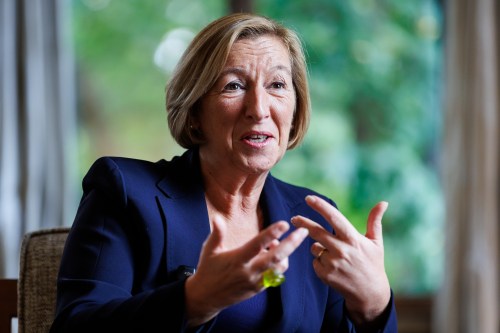
The world hasn’t really noticed how the type of storms that once killed tens or hundreds of thousands of people now only claim handfuls of lives, new United Nations Assistant Secretary-General Kamal Kishore, who heads the UN’s office for disaster risk reduction told The Associated Press. But he said much more needs to be done to keep these disasters from pushing people into abject poverty.
“Fewer people are dying of disasters and if you look at that as a proportion of total population, it’s even fewer,” Kishore said in his first interview since taking office in mid-May. “We often take for granted the progress that we’ve made.”
“Twenty years ago there was no tsunami early warning system except for one small part of the world. Now the whole world is covered by a tsunami warning system” after the 2004 tsunami that killed about 230,000 people in Indonesia, Sri Lanka, India and Thailand, Kishore said.
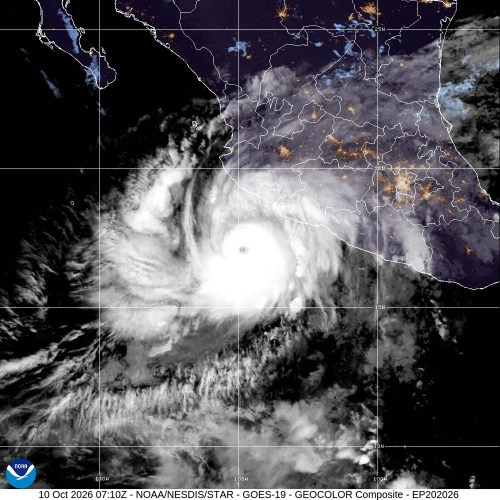
People are getting better warnings about tropical cyclones — also called hurricanes and typhoons — so now the chances of dying in a tropical cyclone in a place like the Philippines are about one-third of what they were 20 years ago, Kishore said.
As the former disaster chief for India, Kishore points to how his country has cut deaths thanks to better warnings and community preparedness such as hospitals being ready for a surge in births during a cyclone. In 1999, a supercyclone hit eastern India, killing almost 10,000 people. Then a nearly similar sized storm hit in 2013, but killed only a few dozen people. Last year, on Kishore’s watch, Cyclone Biparjoy killed fewer than 10 people.
The same goes for flood deaths, Kishore said.
The data backs up Kishore, said disaster epidemiologist Debarati Guha-Sapir of the Catholic University of Louvain in Brussels, who created a global disaster database. Her database — which she acknowledges has missing pieces — shows that global deaths per storm event has dropped from about a ten-year average of 24 in 2008 to ten-year average of about 8 in 2021. Flood deaths per event have gone from ten-year averages of nearly 72 to about 31, her data indicates.
While there are fewer deaths globally from disasters, there are still pockets in the poorest of countries, especially in Africa, where deaths are worsening or at least staying the same, Guha-Sapir said. It’s much like public health’s efforts to eradicate measles, success in most places, but areas that can least cope are not improving, she said.
India and Bangladesh are poster nations for better dealing with disasters and preventing deaths, especially in cyclones, Guha-Sapir said. In 1970, a cyclone killed more than 300,000 people in Bangladesh in one of the 20th century’s greatest natural disasters and now “Bangladesh has done fantastic work in disaster risk reduction for years and years and years,” she said.
Pointing out wins is important, Guha-Sapir said: “Gloom and doom will never get us anywhere.”
While countries such as India and Bangladesh have created warning systems, strengthened buildings such as hospitals and know what to do to prepare for and then react to disasters, a lot of it is also just because these countries are getting richer and better educated and so they can handle disasters better and protect themselves, Guha-Sapir said. Poorer countries and people can’t.
“Fewer people are dying, but that’s not because climate change is not happening,” Kishore said ”That is despite the climate change. And that is because we have invested in resilience, invested in early warning systems.”
Kishore said climate change is making his job tougher, yet he said doesn’t feel like Sisyphus, the mythical man pushing a giant boulder up a hill.
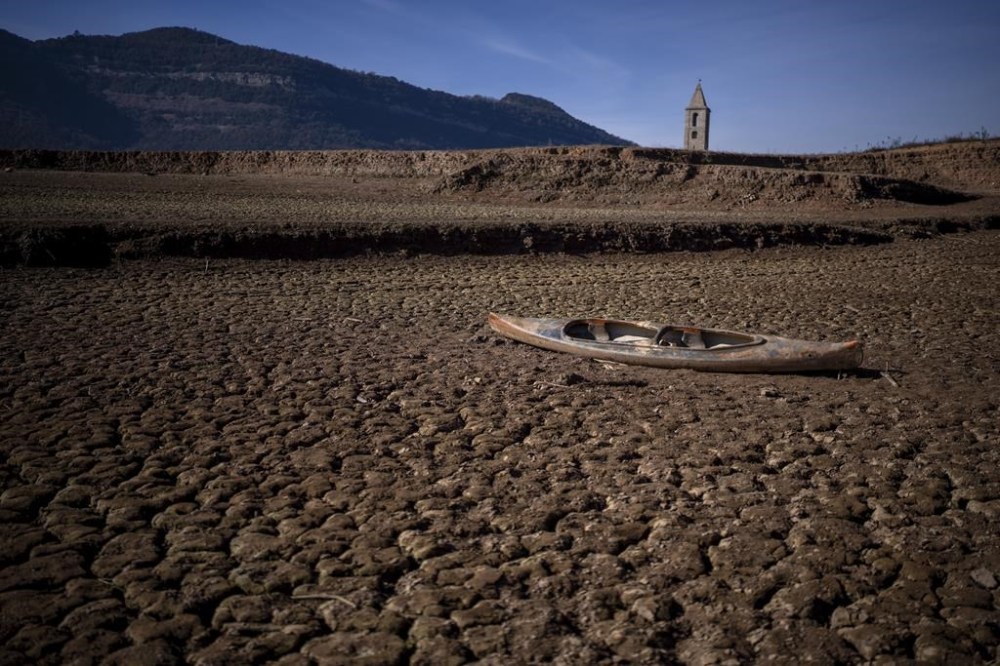
“You are getting more intense hazards, more frequently and (in) new geographies,” Kishore said, saying places, like Brazil that used to not worry too much about floods now are getting devastated. The same goes for extreme heat, which he said used to be an issue for only certain countries, but now has gone global, pointing to nearly 60,000 heat wave deaths in Europe in 2022.
India, where temperatures have been flirting with 122 degrees (50 degrees Celsius), has reduced heat deaths with specific regional plans, Kishore said.
“However with the new extreme temperatures we are seeing, every country needs to double its efforts to save lives,” he said. And that means looking at the built environment of cities, he added.
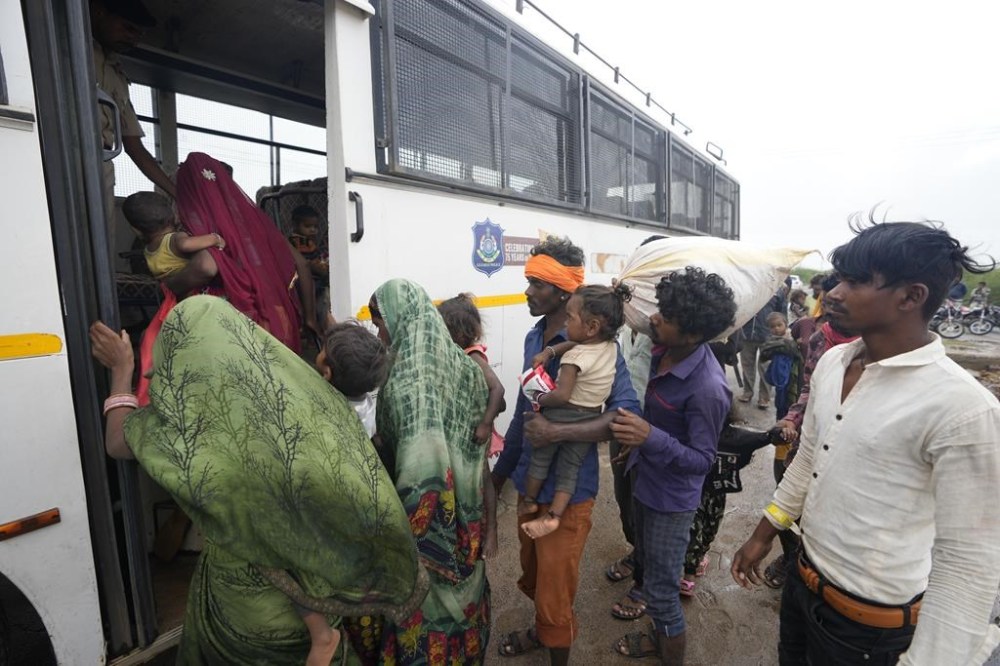
Cutting deaths is only part of the battle to reduce risk, Kishore said.
“We are doing a better job of saving lives but not of livelihoods,” Kishore said.
While fewer people are dying “you look at people who are losing their houses, people who are losing their businesses, a small farmer that is running a poultry farm,” Kishore said. When they get flooded or hit by a storm, they may survive but they’ve got nothing, no seeds, no fishing boats.
“On that we’re not doing as well as we should,” Kishore said. “We cannot accept that losses will occur. Of course they will occur, but they could be minimized by an order of magnitude.”
___

Read more of AP’s climate coverage at http://www.apnews.com/climate-and-environment
___
Follow Seth Borenstein on X at @borenbears
______
The Associated Press’ climate and environmental coverage receives financial support from multiple private foundations. AP is solely responsible for all content. Find AP’s standards for working with philanthropies, a list of supporters and funded coverage areas at AP.org.