

Big Mac battle: McDonald’s loses European Union trademark fight with Irish rival Supermac’s
Advertisement
Read this article for free:
or
Already have an account? Log in here »
To continue reading, please subscribe:

Digital Subscription
One year of digital access for only $205*
- Enjoy unlimited reading on winnipegfreepress.com
- Read the E-Edition, our digital replica newspaper
- Access News Break, our award-winning app
- Play interactive puzzles
*First annual payment billed as $205.00 + GST for one year. This annual subscription will automatically renew at $233.00 + GST every 52 weeks (10% off the regular annual price of $259.35). Offer available to new and qualified returning subscribers only. Cancel any time.
To continue reading, please subscribe:
Add Free Press access to your Brandon Sun subscription for only an additional
$1 for the first 4 weeks*
- Enjoy unlimited reading on winnipegfreepress.com
- Read the E-Edition, our digital replica newspaper
- Access News Break, our award-winning app
- Play interactive puzzles
*Your next Brandon Sun subscription payment will increase by $1.00 and you will be charged $17.95 plus GST for four weeks. After four weeks, your payment will increase to $24.95 plus GST every four weeks.
Read unlimited articles for free today:
or
Already have an account? Log in here »
Hey there, time traveller!
This article was published 05/06/2024 (820 days ago), so information in it may no longer be current.
LONDON (AP) — McDonald’s lost a European Union trademark dispute over the Big Mac name after a top European Union court sided Wednesday with Irish fast food rival Supermac’s in a long-running legal battle.
The EU General Court said in its judgment that the U.S. fast food giant failed to prove that it was genuinely using the Big Mac label over a five-year period for chicken sandwiches, poultry products or restaurants.
The Big Mac is a hamburger made of two beef patties, cheese, lettuce, onions, pickles and Big Mac sauce. It was invented in 1968 by a Pennsylvania franchisee who thought the company needed a sandwich that appealed to adults.
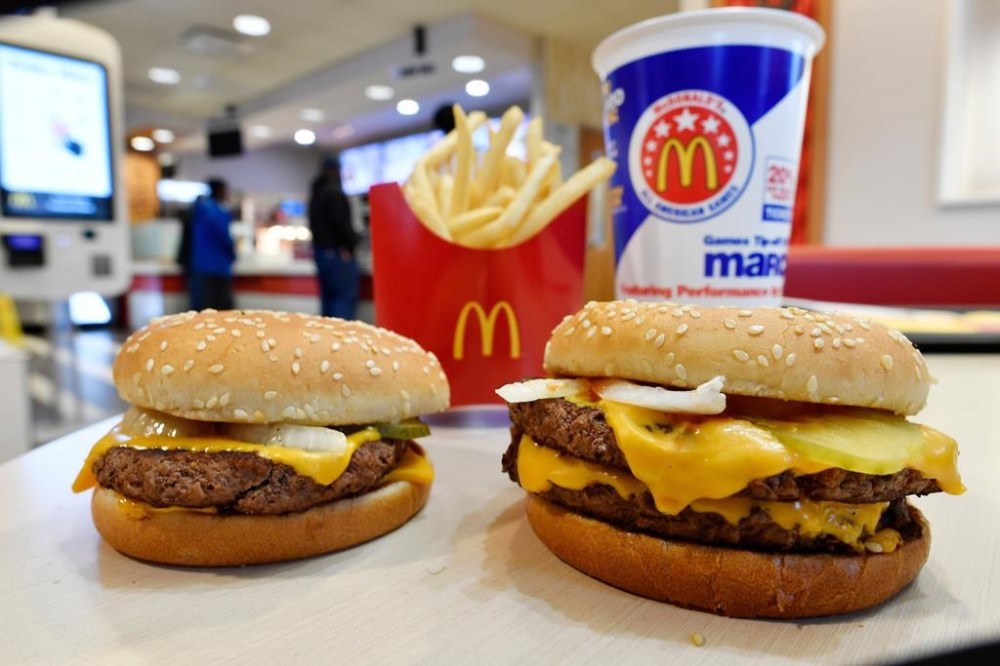
The decision is about more than burger names. It opens the door for Galway-based Supermac’s expansion into other EU countries. The dispute erupted when Supermac’s applied to register its company name in the EU as it drew up expansion plans. McDonald’s objected, saying consumers would be confused because it already trademarked the Big Mac name.
Supermac’s filed a 2017 request with the EU’s Intellectual Property Office to revoke McDonald’s Big Mac trademark registration, saying the U.S. company couldn’t prove that it had used the name for certain categories that aren’t specifically related to the burger over five years. That’s the window of time in Europe that a trademark has to be used before it can be taken away.
After the regulator partially approved Supermac’s request, McDonald’s appealed to the EU court.
“McDonald’s has not proved that the contested mark has been put to genuine use” in connection with chicken sandwiches, food made from poultry products or operating restaurants and drive-throughs and preparing take-out food, the court said, according to a press summary of its decision.

Supermac’s portrayed the decision as a David and Goliath-style victory. Managing Director Pat McDonagh accused McDonald’s of “trademark bullying to stifle competition.”
“This is a significant ruling that takes a common-sense approach to the use of trademarks by large multi-nationals. It represents a significant victory for small businesses throughout the world,” McDonagh said in a statement.
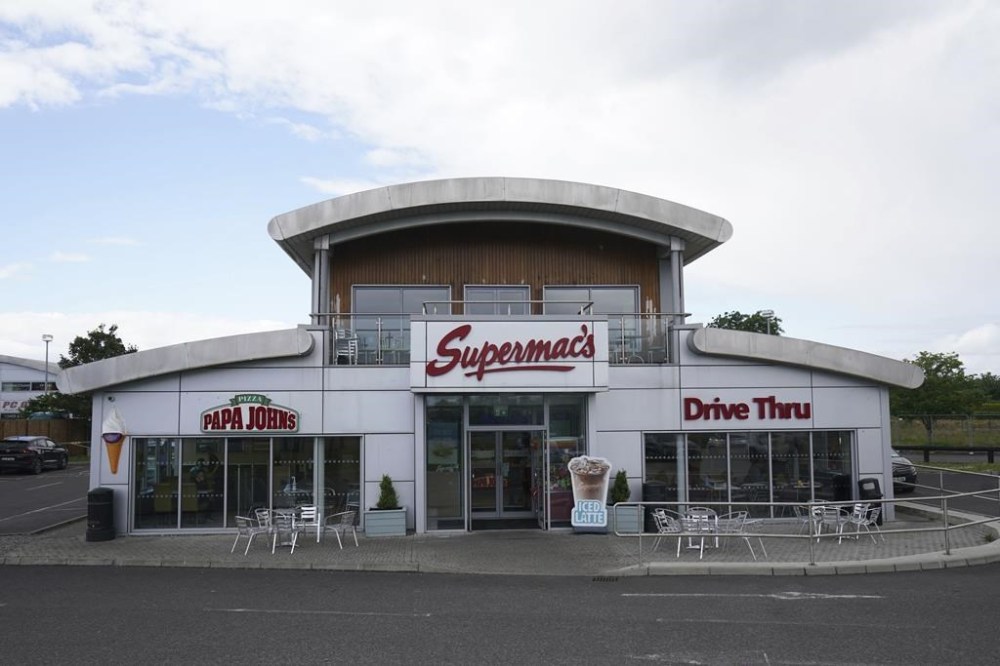
The Irish company doesn’t sell a sandwich called the Big Mac but does have one called the Mighty Mac with the same ingredients.
McDonald’s was unfazed by the ruling, which can be appealed to the European Court of Justice, the bloc’s highest court, but only on points of law.
“The decision by the EU General Court does not affect our right to use the ‘BIG MAC’ trademark,” the company said in a press statement. “Our iconic Big Mac is loved by customers all across Europe, and we’re excited to continue to proudly serve local communities, as we have done for decades.”