

Why Black students are still disciplined at higher rates: Takeaways from AP’s report
Advertisement
Read this article for free:
or
Already have an account? Log in here »
To continue reading, please subscribe:
Monthly Digital Subscription
$0 for the first 4 weeks*
- Enjoy unlimited reading on winnipegfreepress.com
- Read the E-Edition, our digital replica newspaper
- Access News Break, our award-winning app
- Play interactive puzzles
*No charge for 4 weeks then price increases to the regular rate of $19.00 plus GST every four weeks. Offer available to new and qualified returning subscribers only. Cancel any time.
Monthly Digital Subscription
$4.75/week*
- Enjoy unlimited reading on winnipegfreepress.com
- Read the E-Edition, our digital replica newspaper
- Access News Break, our award-winning app
- Play interactive puzzles
*Billed as $19 plus GST every four weeks. Cancel any time.
To continue reading, please subscribe:
Add Free Press access to your Brandon Sun subscription for only an additional
$1 for the first 4 weeks*
*Your next subscription payment will increase by $1.00 and you will be charged $16.99 plus GST for four weeks. After four weeks, your payment will increase to $23.99 plus GST every four weeks.
Read unlimited articles for free today:
or
Already have an account? Log in here »
Hey there, time traveller!
This article was published 29/08/2024 (466 days ago), so information in it may no longer be current.
Racial differences in how schools discipline students received new attention 10 years ago, during a national reckoning with racial injustice.
A decade later, change has been slow to materialize.
In many schools around the country, Black students have been more likely to receive punishments that remove them from the classroom, including suspensions, expulsions and being transferred to alternative schools.
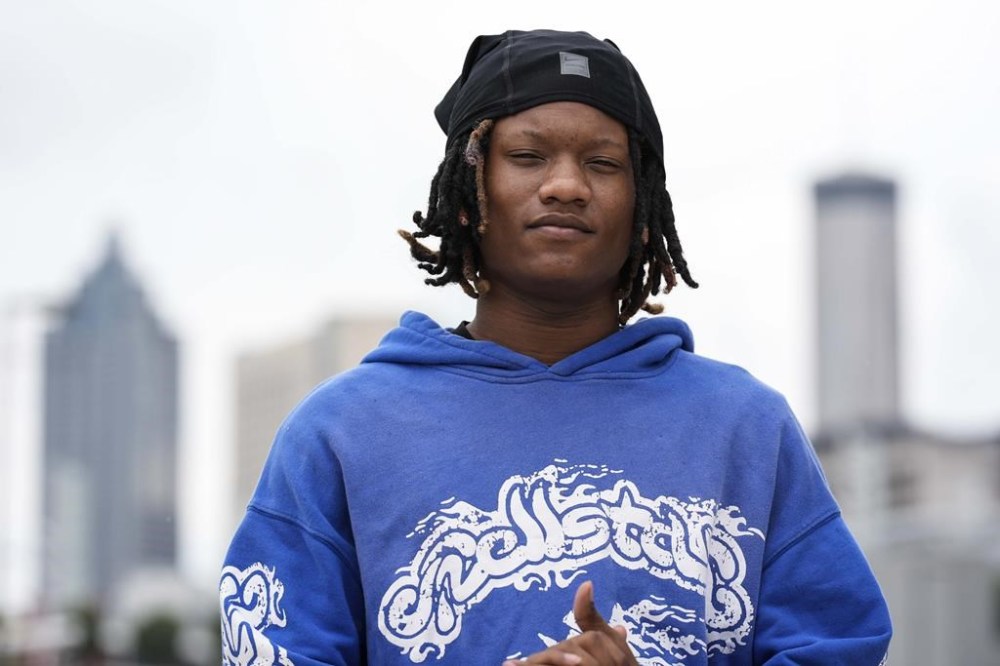
Those differences became the target of a newly energized reform movement spurred by the same reckoning that gave rise to the Black Lives Matter movement. For many advocates, students and educators, pursuing racial justice meant addressing disparate outcomes for Black youth that begin in the classroom, often through harsh discipline and underinvestment in low-income schools.
The movement elevated the concept of the “school-to-prison pipeline” — the notion that being kicked out of school, or dropping out, increases the chance of arrest and imprisonment years later.
The Associated Press reviewed discipline data in key states to see how much progress has been made. Here’s what journalists found.
Gaps have narrowed, but Black students are still kicked out at higher rates
The past decade has seen some progress in lowering suspension rates for Black students. But massive disparities persist, according to AP’s review of discipline data in key states.
In Missouri, for example, an AP analysis found Black students served 46% of all days in suspension in the 2013-2014 school year — the year Michael Brown was shot and killed by police in that state, days after he completed high school. Nine years later, the percentage had dropped to 36%, according to state data obtained via a public records request. Both numbers far exceed Black students’ share of the student population, about 15%.
And in California, the suspension rate for Black students fell from 13% in 2013 to 9% a decade later — still three times higher than the white suspension rate.
In Georgia, Black students make up slightly more than one-third of the population. But they account for the majority of students who receive punishments that remove them from the classroom.
Some schools have taken a harder line on discipline since the pandemic
Students who are suspended, expelled or otherwise kicked out of the classroom are more likely to be suspended again. They become disconnected from their classmates, and they’re more likely to become disengaged from school. They also miss out on learning time and are likely to have worse academic outcomes, including in their grades and rates of graduation.
Nevertheless, some schools and policymakers have doubled down on exclusionary discipline since the pandemic. Calls for stricter discipline and more police involvement resurfaced in recent years, as schools struggled with misbehavior after monthslong pandemic closures.
In Missouri, students lost almost 780,000 days of class due to in-school or out-of-school suspensions in 2023, the highest number in the past decade.
In Louisiana, Black students are twice as likely to be suspended as white students and receive longer suspensions for the same infractions, according to a 2017 study from the Education Research Alliance for New Orleans. Yet a new law goes into effect this year that recommends expulsion for any middle- or high-school student who is suspended three times in one school year.
Federal guidelines to address racial disparities in school discipline first came from President Barack Obama’s administration in 2014. Federal officials urged schools not to suspend, expel or refer students to law enforcement except as a last resort, and encouraged restorative justice practices that did not push students out of the classroom. Those rules were rolled back by President Donald Trump’s administration, but civil rights regulations at federal and state levels still mandate the collection of data on discipline.
Severe punishments handed down for subjective reasons
In Minnesota, the share of expulsions and out-of-school suspensions going to Black students dropped from 40% in 2018 to 32% four years later — still nearly three times Black students’ share of the overall population.

The discipline gulf in that state was so egregious that in 2017 the Minnesota Department of Human Rights ordered dozens of districts and charter schools to submit to legal settlements over their discipline practices, especially for Black and Native American students. In these districts, the department found, almost 80% of disciplinary consequences issued for subjective reasons, like “disruptive behavior,” were going to students of color. School buildings were closed for the pandemic during much of the settlement period, so it’s hard to assess whether the schools have since made progress.
Black students often receive more severe punishments than their white peers for similar or even the same behavior, said Linda Morris, a staff attorney at the American Civil Liberties Union.
“Students of color are often not given the same benefit of the doubt that their white counterparts receive, and might even be perceived as having harmful motives,” Morris said.
___
The Associated Press’ education coverage receives financial support from multiple private foundations. AP is solely responsible for all content. Find AP’s standards for working with philanthropies, a list of supporters and funded coverage areas at AP.org.