Clearview AI fined $33.7 million by Dutch data protection watchdog over ‘illegal database’ of faces
Advertisement
Read this article for free:
or
Already have an account? Log in here »
To continue reading, please subscribe:

Digital Subscription
One year of digital access for only $205*
- Enjoy unlimited reading on winnipegfreepress.com
- Read the E-Edition, our digital replica newspaper
- Access News Break, our award-winning app
- Play interactive puzzles
*First annual payment billed as $205.00 + GST for one year. This annual subscription will automatically renew at $233.00 + GST every 52 weeks (10% off the regular annual price of $259.35). Offer available to new and qualified returning subscribers only. Cancel any time.
To continue reading, please subscribe:
Add Free Press access to your Brandon Sun subscription for only an additional
$1 for the first 4 weeks*
- Enjoy unlimited reading on winnipegfreepress.com
- Read the E-Edition, our digital replica newspaper
- Access News Break, our award-winning app
- Play interactive puzzles
*Your next Brandon Sun subscription payment will increase by $1.00 and you will be charged $17.95 plus GST for four weeks. After four weeks, your payment will increase to $24.95 plus GST every four weeks.
Read unlimited articles for free today:
or
Already have an account? Log in here »
Hey there, time traveller!
This article was published 03/09/2024 (754 days ago), so information in it may no longer be current.
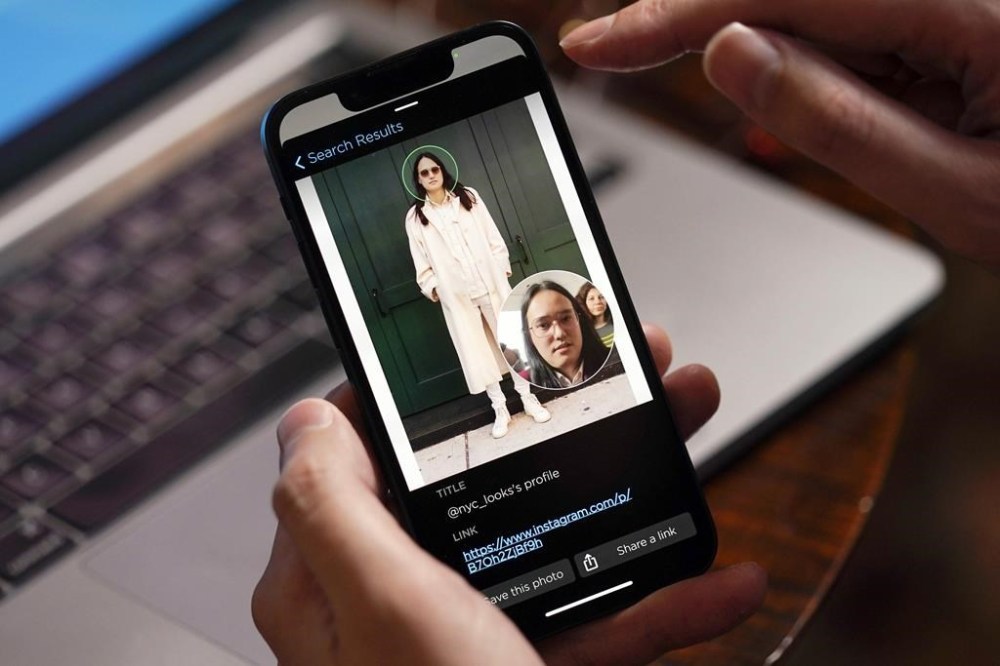
THE HAGUE, Netherlands (AP) — The Dutch data protection watchdog on Tuesday issued facial recognition startup Clearview AI with a fine of 30.5 million euros ($33.7 million) over its creation of what the agency called an “illegal database” of billion of photos of faces.
The Netherlands’ Data Protection Agency, or DPA, also warned Dutch companies that using Clearview’s services is also banned.
The data agency said that New York-based Clearview “has not objected to this decision and is therefore unable to appeal against the fine.”
But in a statement emailed to The Associated Press, Clearview’s chief legal officer, Jack Mulcaire, said that the decision is “unlawful, devoid of due process and is unenforceable.”
The Dutch agency said that building the database and insufficiently informing people whose images appear in the database amounted to serious breaches of the European Union’s General Data Protection Regulation, or GDPR.
“Facial recognition is a highly intrusive technology, that you cannot simply unleash on anyone in the world,” DPA chairman Aleid Wolfsen said in a statement.
“If there is a photo of you on the Internet — and doesn’t that apply to all of us? — then you can end up in the database of Clearview and be tracked. This is not a doom scenario from a scary film. Nor is it something that could only be done in China,” he said.

DPA said that if Clearview doesn’t halt the breaches of the regulation, it faces noncompliance penalties of up to 5.1 million euros ($5.6 million) on top of the fine.
Mulcaire said in his statement that Clearview doesn’t fall under EU data protection regulations.
“Clearview AI does not have a place of business in the Netherlands or the EU, it does not have any customers in the Netherlands or the EU, and does not undertake any activities that would otherwise mean it is subject to the GDPR,” he said.
In June, Clearview reached a settlement in an Illinois lawsuit alleging its massive photographic collection of faces violated the subjects’ privacy rights, a deal that attorneys estimate could be worth more than $50 million. Clearview didn’t admit any liability as part of the settlement agreement.
The case in Illinois consolidated lawsuits from around the U.S. filed against Clearview, which pulled photos from social media and elsewhere on the internet to create a database that it sold to businesses, individuals and government entities.