Australian states back national plan to ban children younger than 16 from social media
Advertisement
Read this article for free:
or
Already have an account? Log in here »
To continue reading, please subscribe:

Digital Subscription
One year of digital access for only $205*
- Enjoy unlimited reading on winnipegfreepress.com
- Read the E-Edition, our digital replica newspaper
- Access News Break, our award-winning app
- Play interactive puzzles
*First annual payment billed as $205.00 + GST for one year. This annual subscription will automatically renew at $233.00 + GST every 52 weeks (10% off the regular annual price of $259.35). Offer available to new and qualified returning subscribers only. Cancel any time.
To continue reading, please subscribe:
Add Free Press access to your Brandon Sun subscription for only an additional
$1 for the first 4 weeks*
- Enjoy unlimited reading on winnipegfreepress.com
- Read the E-Edition, our digital replica newspaper
- Access News Break, our award-winning app
- Play interactive puzzles
*Your next Brandon Sun subscription payment will increase by $1.00 and you will be charged $17.95 plus GST for four weeks. After four weeks, your payment will increase to $24.95 plus GST every four weeks.
Read unlimited articles for free today:
or
Already have an account? Log in here »
Hey there, time traveller!
This article was published 07/11/2024 (707 days ago), so information in it may no longer be current.
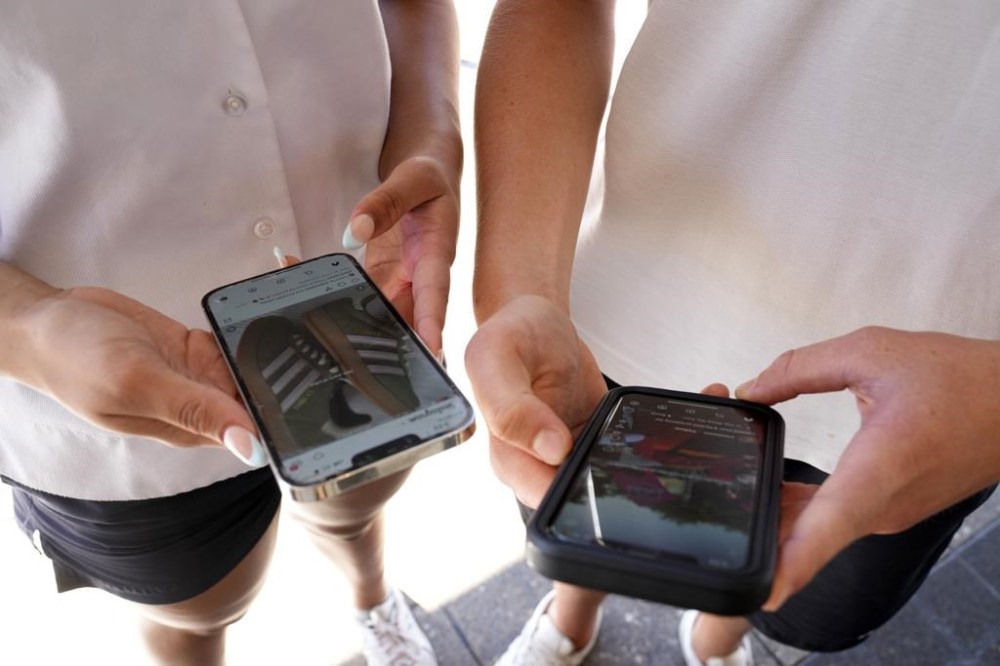
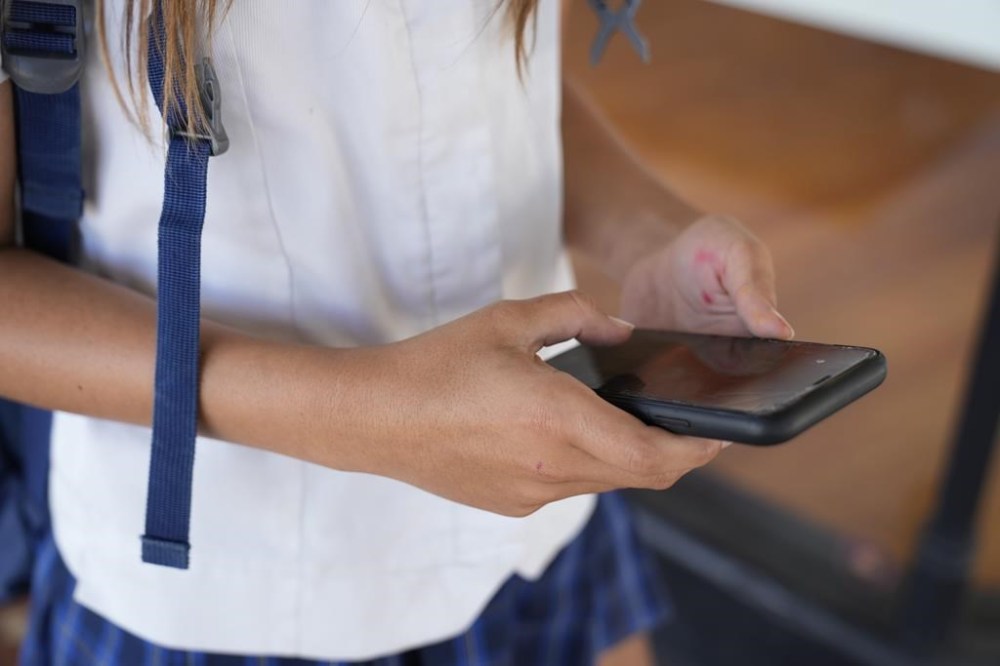
MELBOURNE, Australia (AP) — Australia’s states and territories on Friday unanimously backed a national plan to require most forms of social media to bar children younger than 16.
Leaders of the eight provinces held a virtual meeting with Prime Minister Anthony Albanese to discuss what he calls a world-first national approach that would make platforms including X, TikTok, Instagram and Facebook responsible for enforcing the age limit.
“Social media is doing social harm to our young Australians,” Albanese told reporters. “The safety and mental health of our young people has to be a priority.”
The government leaders had been discussing for months setting a limit, considering options from 14 to 16 years of age.
While Tasmania would have preferred 14, the state was prepared to support 16 in the interests of achieving national uniformity, Albanese said.
The legislation will be introduced into Parliament within two weeks, and the age ban would take effect a year after it passes into law, giving platforms time to work out how to exclude children. The government has yet to offer a technical solution.
The delay is also intended to allow time to address privacy concerns around age verification.
The main opposition party has given in-principle support to the 16-year age limit since it was announced on Thursday, suggesting the legislation will pass the Senate.
The minor Greens party was critical, saying the ban would prevent the emergence in Australia of future child environmental activists like Sweden’s Greta Thunberg.
More than 140 academics with expertise in fields related to technology and child welfare signed an open letter to Albanese last month opposing a social media age limit as “too blunt an instrument to address risks effectively.”
Critics say most teenagers are tech savvy enough to get around such laws. Some fear the ban will create conflicts within families and drive social media problems underground.
Meta, which owns Facebook and Instagram, argues that stronger tools in app stores and operating systems for parents to control what apps their children can use would be a “simple and effective solution.”
The government likens the proposed social media age limit to the laws that restrict the sale of alcohol to adults aged 18 and older across Australia. Children still find ways to drink, but the prohibition remains.
“We think these laws will make a real positive difference,” Albanese said.
But Lisa Given, professor of information sciences at RMIT University, described the legislation as “really problematic.”
“Many of our social networks are actually about the provision of extremely critical information to kids,” Given told Australian Broadcasting Corp.
“There’s no doubt that they’re also facing bullying and other challenges online, but they actually need the social supports to know how to navigate the platforms safely and so they need more support from parents, from care-givers, not less access to a single or multiple platforms,” Given added.
Tama Leaver, professor of internet studies at Curtin University, described the government’s plan to remove 14 and 15-year-olds from their already established social media accounts was “strange.”
“If you’ve already developed that space in that world, to have it taken away really could do as much harm as the harms that are purportedly being fixed,” Leaver said.
“There are so many questions about this that have yet to be answered, but even if we had solid answers about how this might work technically and how this might get implemented socially, it’s still hard to believe that this would actually keep kids safe online,” he added.
Communications Minister Michelle Rowland said children would retain access to online education and health services.

The legislation would also include strong privacy protections surrounding age verification.
“Privacy must be paramount, including that of children,” Rowland said. “We should also be very clear about the realities. These platforms know about their users in a way that no one else does.”
Rowland said YouTube would likely be included among the mainstream platforms defined under the legislation as age restricted services.
But YouTube Kids could be exempted. Gaming and messaging services would not face age restrictions, she said,
“This legislation would strike a balance between minimizing the harms experienced by young people during a critical period of their development while also supporting their access to benefits as well,” Rowland said.
Related Articles
'A dying arts scene': TikTok creators say they will lose support, money with closure

Advertisement Advertise With Us
Advertisement Advertise With Us