

Western North Carolina’s water system is finally back online after Helene
Advertisement
Read this article for free:
or
Already have an account? Log in here »
To continue reading, please subscribe:
Monthly Digital Subscription
$0 for the first 4 weeks*
- Enjoy unlimited reading on winnipegfreepress.com
- Read the E-Edition, our digital replica newspaper
- Access News Break, our award-winning app
- Play interactive puzzles
*No charge for 4 weeks then price increases to the regular rate of $19.00 plus GST every four weeks. Offer available to new and qualified returning subscribers only. Cancel any time.
Monthly Digital Subscription
$4.75/week*
- Enjoy unlimited reading on winnipegfreepress.com
- Read the E-Edition, our digital replica newspaper
- Access News Break, our award-winning app
- Play interactive puzzles
*Billed as $19 plus GST every four weeks. Cancel any time.
To continue reading, please subscribe:
Add Free Press access to your Brandon Sun subscription for only an additional
$1 for the first 4 weeks*
*Your next subscription payment will increase by $1.00 and you will be charged $16.99 plus GST for four weeks. After four weeks, your payment will increase to $23.99 plus GST every four weeks.
Read unlimited articles for free today:
or
Already have an account? Log in here »
Hey there, time traveller!
This article was published 18/11/2024 (383 days ago), so information in it may no longer be current.
ASHEVILLE, N.C. (AP) — More than 100,000 residents in western North Carolina were allowed to drink and bathe using water from their home faucets on Monday, nearly two months after Hurricane Helene destroyed much of the local water system.
Clay Chandler, a spokesman for the city of Asheville’s Water Resources Department, said at a briefing Monday that water tests “were all clear” and a boil-water notice was lifted.
Flooding from Helene tore through the city’s water system in late September, destroying so much infrastructure that officials at the time said repairs could take weeks.
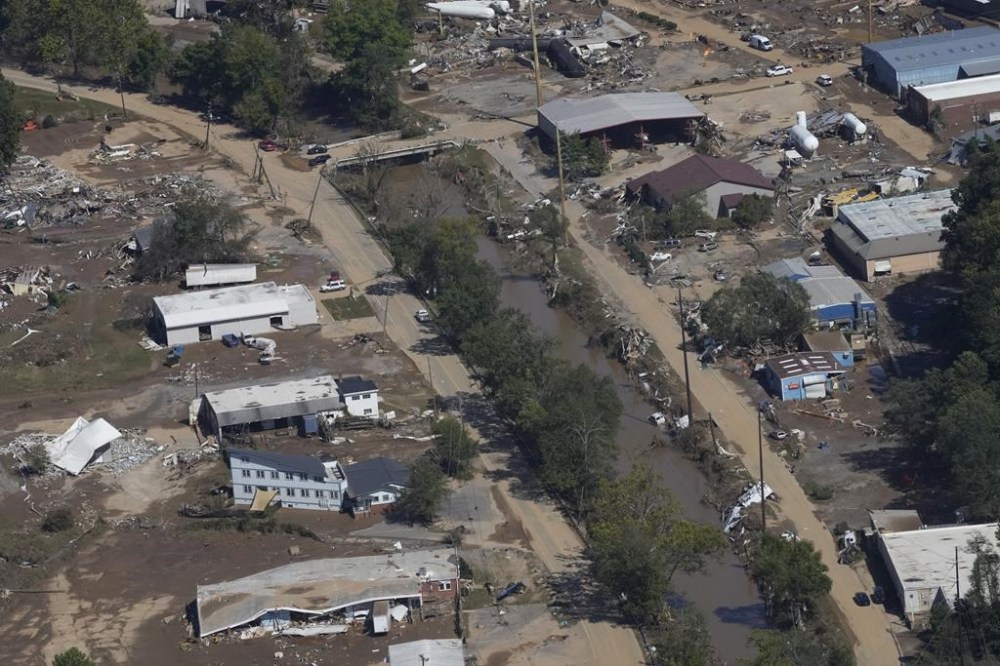
Asheville restored running water to most of its users by the end of October. But the city instituted the boil-water notice as workers brought the system back online, cleared sediment from reservoirs and ran tests.
“All told, more than 1,000 samples have been taken throughout the distribution system in the last couple of weeks,” Chandler said. “And it literally took an army of people to pull that off.”
Hurricane Helene killed more than 200 people in multiple states and hit western North Carolina particularly hard.
As much of the U.S.’s water infrastructure ages and climate change fuels disasters, experts have said water advisories will become more common.
“We are in the midst of an uncertain time, not just in Asheville, but as we think about climate change writ large in some of these major unexpected storms,” David Dyjack, executive director of the National Environmental Health Association, told The Associated Press last month.