Supreme Court steps into fight over FCC’s $8 billion subsidies for internet and phone services
Advertisement
Read this article for free:
or
Already have an account? Log in here »
To continue reading, please subscribe:

Digital Subscription
One year of digital access for only $205*
- Enjoy unlimited reading on winnipegfreepress.com
- Read the E-Edition, our digital replica newspaper
- Access News Break, our award-winning app
- Play interactive puzzles
*First annual payment billed as $205.00 + GST for one year. This annual subscription will automatically renew at $233.00 + GST every 52 weeks (10% off the regular annual price of $259.35). Offer available to new and qualified returning subscribers only. Cancel any time.
To continue reading, please subscribe:
Add Free Press access to your Brandon Sun subscription for only an additional
$1 for the first 4 weeks*
- Enjoy unlimited reading on winnipegfreepress.com
- Read the E-Edition, our digital replica newspaper
- Access News Break, our award-winning app
- Play interactive puzzles
*Your next Brandon Sun subscription payment will increase by $1.00 and you will be charged $17.95 plus GST for four weeks. After four weeks, your payment will increase to $24.95 plus GST every four weeks.
Read unlimited articles for free today:
or
Already have an account? Log in here »
Hey there, time traveller!
This article was published 22/11/2024 (689 days ago), so information in it may no longer be current.
WASHINGTON (AP) — The Supreme Court on Friday stepped into a major legal fight over the $8 billion a year the federal government spends to subsidize phone and internet services in schools, libraries and rural areas, in a new test of federal regulatory power.
The justices will review an appellate ruling that struck down as unconstitutional the Universal Service Fund. The Federal Communications Commission collects money from telecommunications providers, who then pass the cost on to their customers.
A conservative advocacy group, Consumer Research, challenged the practice. The justices had previously denied two appeals from Consumer Research after federal appeals courts upheld the program. But the full 5th U.S. Circuit Court of Appeals, among the nation’s most conservative, ruled 9-7 that the method of funding is unconstitutional.
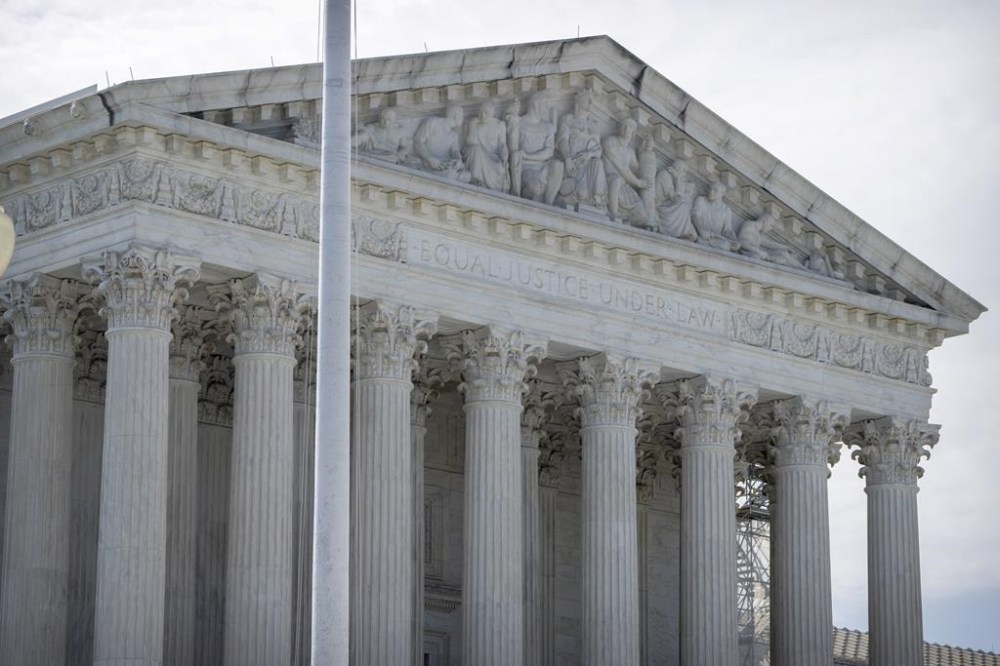
The Biden administration appealed that ruling, but the case probably won’t be argued until late March. At that point, the Trump administration will be in place and it not clear whether it will take a different view of the issue.
The 5th Circuit held that the funding method is unconstitutional because Congress has given too much authority to the FCC and the agency in turn has ceded too much power to a private entity.

The last time the Supreme Court invoked what is known as the non-delegation doctrine to strike down a federal law was in 1935. But several conservative justices have suggested they are open to breathing new life into the legal doctrine.
___