Battle over ‘conversion therapy’ ban, separation of powers before Wisconsin Supreme Court
Advertisement
Read this article for free:
or
Already have an account? Log in here »
To continue reading, please subscribe:
Digital Subscription
One year of digital access for only $1.44 a week*
- Enjoy unlimited reading on winnipegfreepress.com
- Read the E-Edition, our digital replica newspaper
- Access News Break, our award-winning app
- Play interactive puzzles
*Billed as $5.77 plus GST every four weeks. After 52 weeks, price increases to the regular rate of $19.95 plus GST every four weeks. Offer available to new and qualified returning subscribers only. Cancel any time.
To continue reading, please subscribe:
Add Free Press access to your Brandon Sun subscription for only an additional
$1 for the first 4 weeks*
- Enjoy unlimited reading on winnipegfreepress.com
- Read the E-Edition, our digital replica newspaper
- Access News Break, our award-winning app
- Play interactive puzzles
*Your next Brandon Sun subscription payment will increase by $1.00 and you will be charged $17.95 plus GST for four weeks. After four weeks, your payment will increase to $24.95 plus GST every four weeks.
Read unlimited articles for free today:
or
Already have an account? Log in here »
Hey there, time traveller!
This article was published 15/01/2025 (647 days ago), so information in it may no longer be current.
MADISON, Wis. (AP) — The Wisconsin Supreme Court heard arguments Thursday over whether a Republican-controlled legislative committee’s rejection of a state agency rule that would ban the practice of “conversion therapy” for LGBTQ+ people was unconstitutional.
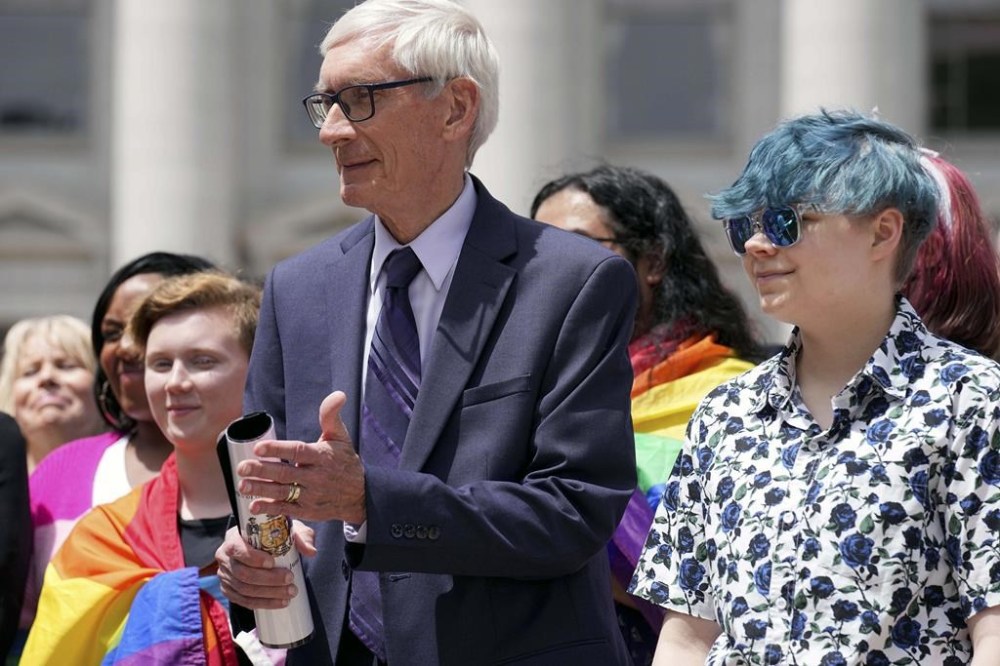
The challenge comes amid the national battle over LGBTQ+ rights. It is also part of a broader effort by the Democratic governor, who has vetoed Republican bills targeting transgender high school athletes, to rein in the power of the GOP-controlled Legislature.
Here are things to know about the case:
What is “conversion therapy”?
So-called “conversion therapy” is the scientifically discredited practice of using therapy to “convert” LGBTQ people to heterosexuality or traditional gender expectations.
The practice has been banned in 20 states and in more than a dozen communities across Wisconsin. Since April 2024, the Wisconsin professional licensing board for therapists, counselors and social workers has labeled “conversion therapy” as unprofessional conduct.
Advocates seeking to ban the practice want to forbid mental health professionals in the state from counseling clients with the goal of changing their sexual orientation or gender identity.
Fair Wisconsin, the only statewide LGBTQ+ civil rights and political advocacy organization, has heard about “conversion therapy” happening across the state, said the group’s executive director Abigail Swetz.
However, accurate data about how often it is happening is hard to come by, she said. There would be some data if the ban is enacted and the state is able to take action against licensed practitioners, but that wouldn’t include attempts at “conversion therapy” made by religious institutions, Swetz said.
What is happening in Wisconsin?
The provision barring “conversion therapy” in Wisconsin has been blocked twice by the Legislature’s powerful Joint Committee for the Review of Administrative Rules — a Republican-controlled panel in charge of approving state agency regulations.
The case before the liberal-controlled Wisconsin Supreme Court will determine whether the ban survives. The court will also determine if that legislative committee has been overreaching its authority in blocking a variety of other state regulations during Democratic Gov. Tony Evers’ administration.
The lawsuit brought by Evers targets two votes by the joint committee. One deals with the Department of Safety and Professional Services’ “conversion therapy” ban. The other vote blocked an update to the state’s commercial building standards.
Republicans who supported suspending the “conversion therapy” ban have insisted the issue isn’t the policy itself, but whether the licensing board had the authority to take the action it did.
Evers has been trying since 2020 to get the ban enacted, but the Legislature has stopped it from going into effect.
Justices question how far legislative power goes
Liberal Justice Jill Karofsky focused on the “conversion therapy” rule, calling the practice “beyond horrific.”
“There are real lives that are at risk here,” she said. “This is hurting people.”
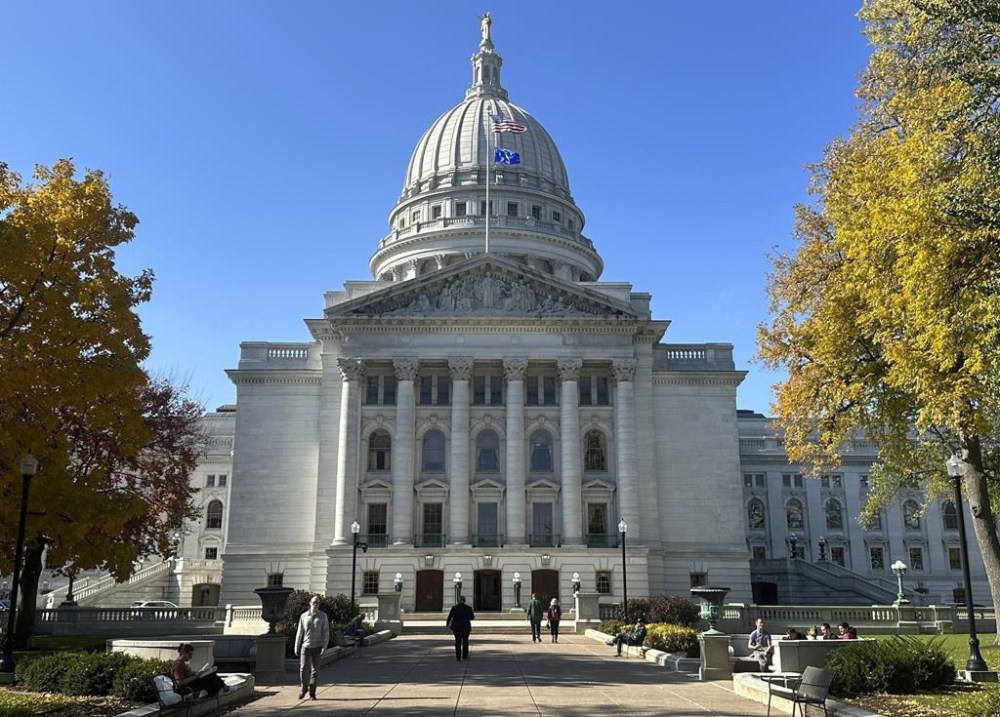
Other justices focused on whether the Legislature or the governor has the power to issue administrative rules.
The Legislature’s attorney Misha Tseytlin said decades of precedent are on his side, including a 1992 Wisconsin Supreme Court ruling upholding the Legislature’s right to suspend state agency rules. Overturning that ruling would be deeply disruptive, he argued.
Evers, in arguing that the ruling should be overturned, said in court filings that by blocking the rule, the legislative committee is taking over powers that the state constitution assigns to the governor. The 1992 ruling conflicts with the constitution and has “proved unworkable,” Evers said.
Conservative Justice Rebecca Bradley said the state constitution clearly gives the power to the Legislature.
“Nowhere do I see that the people ever consented to be governed by an administrative state instead of their representatives in the Legislature,” she said.
The issue goes beyond “conversion therapy”

The “conversion therapy” ban is one of several rules that have been blocked by the legislative committee. Others pertain to environmental regulations, vaccine requirements and public health protections.
Evers argues in the lawsuit that the panel has effectively been exercising an unconstitutional “legislative veto.”
The court sided with Evers in one issue brought in the lawsuit, ruling 6-1 in July that another legislative committee was illegally preventing the state Department of Natural Resources from spending money on a land stewardship program.
The issue related to state regulations was broken out and heard Thursday.
The court, controlled 4-3 by liberal justices, will issue a written ruling in the coming months.