

N.S. bill for protected Acadian riding fails to address voter parity: business group
Advertisement
Read this article for free:
or
Already have an account? Log in here »
To continue reading, please subscribe:

Digital Subscription
One year of digital access for only $205*
- Enjoy unlimited reading on winnipegfreepress.com
- Read the E-Edition, our digital replica newspaper
- Access News Break, our award-winning app
- Play interactive puzzles
*First annual payment billed as $205.00 + GST for one year. This annual subscription will automatically renew at $233.00 + GST every 52 weeks (10% off the regular annual price of $259.35). Offer available to new and qualified returning subscribers only. Cancel any time.
To continue reading, please subscribe:
Add Free Press access to your Brandon Sun subscription for only an additional
$1 for the first 4 weeks*
- Enjoy unlimited reading on winnipegfreepress.com
- Read the E-Edition, our digital replica newspaper
- Access News Break, our award-winning app
- Play interactive puzzles
*Your next Brandon Sun subscription payment will increase by $1.00 and you will be charged $17.95 plus GST for four weeks. After four weeks, your payment will increase to $24.95 plus GST every four weeks.
Read unlimited articles for free today:
or
Already have an account? Log in here »
Hey there, time traveller!
This article was published 24/02/2025 (544 days ago), so information in it may no longer be current.
HALIFAX – A bill that would allow the Nova Scotia government to carve out a protected riding for the Acadian region of Chéticamp passed the committee stage Monday without changes, despite voter parity concerns raised by the Halifax Chamber of Commerce.
The legislation is in response to a Nova Scotia Supreme Court ruling in November that said the Charter rights related to voting and the electoral representation of Acadians in northwestern Cape Breton were violated when the community wasn’t considered for protected riding status in 2019.
The bill would allow the government to appoint a special electoral boundaries commission to create a fourth protected riding for the Acadians, after the court said that Chéticamp and surrounding areas represent a cultural community of interest.
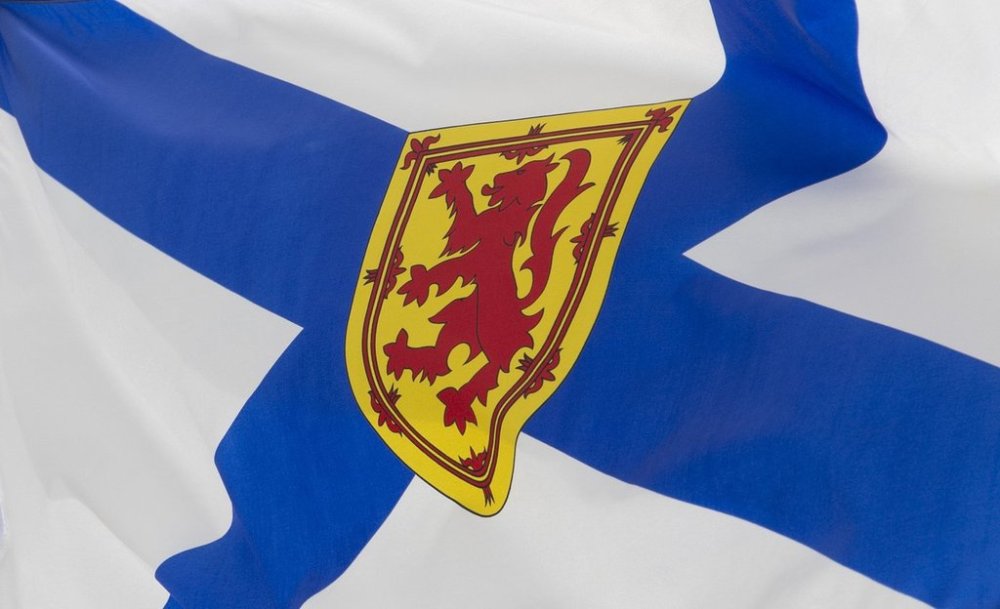
But Halifax chamber president Patrick Sullivan told the legislature’s law amendments committee that a full commission should be struck to look at representation across the province. His concern is that protected and rural ridings are composed of fewer voters than most other ridings in the province, especially around Halifax.
“The dilution of one citizen’s vote as compared to another’s should not be countenanced,” said Sullivan. “We acknowledge the Supreme Court’s decision, but do believe we have seen, and continue to see, a significant loss of voter parity between Halifax and the other regions of the province.”
Currently, Nova Scotia has four protected ridings whose boundaries are shielded from electoral redistribution, and ensure effective representation of Acadian and African Nova Scotian voters. They include three Acadian ridings – Richmond, Clare and Argyle – and one African Nova Scotian riding – Preston – which a government commission recommended be given “protected” status in a 2019 report.
Chéticamp wasn’t included on the list, with a slim majority on the commission suggesting its population was too small to warrant its own electoral district.
Sullivan told the committee that Halifax currently has 23 of the legislature’s 55 seats when the chamber believes it should have about 26 seats based on its growing population.
“We continue to believe that versus other provinces we already have more representation per capita than required,” he said, suggesting that Nova Scotia should have fewer ridings and that Halifax have a higher percentage of them. In comparison, he said, Ontario has a ratio of about 100,000 residents per member of its legislature, while Nova Scotia has about 17,000 residents per member.
“The creation of a new district in Chéticamp could theoretically split the district of Inverness, at approximately 17,000 residents, into two (districts) further diluting the vote of Halifax residents regardless of the reasons for the change,” said Sullivan.
The Fédération acadienne de la Nouvelle-Écosse launched a court challenge in 2021 after it objected to Chéticamp being left out in 2019.
Federation president Denise Comeau-Desautels told the committee Monday that it was critical for the government to move forward with “urgency and thoroughness” in light of the court’s ruling, and in order to “ensure that the rights of our citizens are respected and upheld.”
“The decision of the Supreme Court emphasizes the importance of ensuring that all Nova Scotians, regardless of where they live, have an equitable voice in their provincial legislature,” Comeau-Desautels said.
She said the creation of a new riding for the people of Chéticamp is about more than another Acadian seat in the legislature. “It means the ability to have their unique concerns addressed effectively, their culture recognized and their community’s needs properly represented.”
Under the changes to the House of Assembly Act, a commission is to be appointed by a select committee of the legislature within 30 days of the act coming into effect.
This report by The Canadian Press was first published Feb. 24, 2025.