Page rage
Concise, provocative treatise explores free speech and the dangers of banning books
Advertisement
Read this article for free:
or
Already have an account? Log in here »
To continue reading, please subscribe:
Digital Subscription
One year of digital access for only $1.44 a week*
- Enjoy unlimited reading on winnipegfreepress.com
- Read the E-Edition, our digital replica newspaper
- Access News Break, our award-winning app
- Play interactive puzzles
*Billed as $5.77 plus GST every four weeks. After 52 weeks, price increases to the regular rate of $19.95 plus GST every four weeks. Offer available to new and qualified returning subscribers only. Cancel any time.
To continue reading, please subscribe:
Add Free Press access to your Brandon Sun subscription for only an additional
$1 for the first 4 weeks*
- Enjoy unlimited reading on winnipegfreepress.com
- Read the E-Edition, our digital replica newspaper
- Access News Break, our award-winning app
- Play interactive puzzles
*Your next Brandon Sun subscription payment will increase by $1.00 and you will be charged $17.95 plus GST for four weeks. After four weeks, your payment will increase to $24.95 plus GST every four weeks.
Read unlimited articles for free today:
or
Already have an account? Log in here »
Hey there, time traveller!
This article was published 01/03/2025 (601 days ago), so information in it may no longer be current.
Liberal democracies are predicated on free speech; without it democracies atrophy, oligarchs germinate and we box ourselves in from ideas that might challenge us. Schools across Manitoba just celebrated I Love to Read Month, a monumental celebration of art, ideas, democracy and the human experience. This reviewer has been overwhelmed by the veracity and tenacity at which young people read about complex notions.
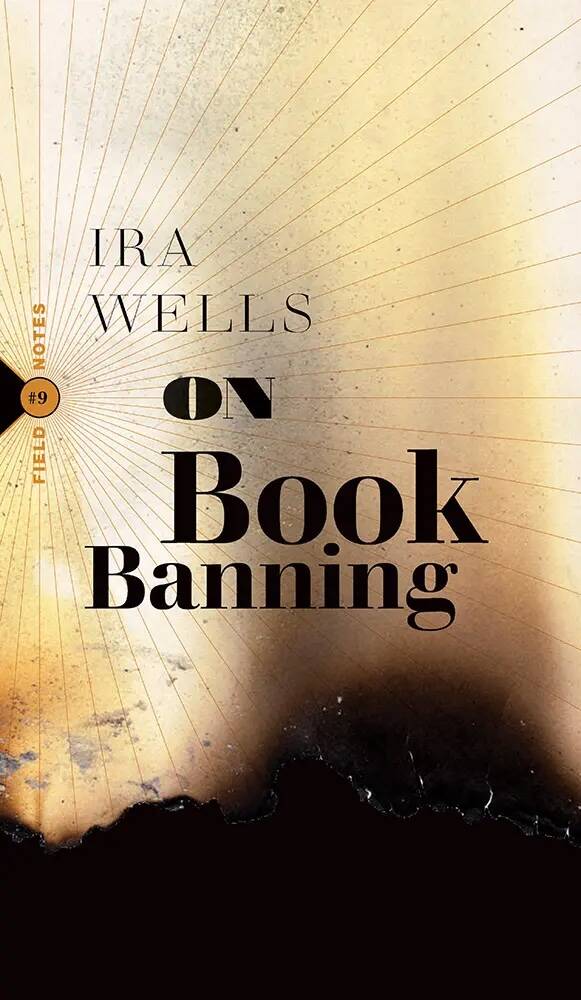
According to University of Toronto scholar and popular columnist Ira Wells, censorship — particularly in the form of book banning — creates the conditions whereby “people fail to articulate why reading imaginative literature matters.”
As is clear in On Book Banning, Wells’ entry in Biblioasis’ Field Notes series of brief books, Wells is a lover and champion of books. (His most recent output before On Book Banning was the 2021 biography Norman Jewison: A Director’s Life.)

Maggie Macintosh / Free Press files
While book banning is very much a hot-button issue at present, particularly in the U.S., it’s a concept and practice that, says author Ira Wells, ‘constitutes a form of symbolic violence.’
In recent weeks, Manitoba Progressive Conservative leadership hopeful Wally Daudrich has made bold statements suggesting books in school libraries contain bestiality and incest. Pressed to disclose where these books exist, Daudrich has been unable to confirm, suggesting people had told him.
Regardless of Daudrich’s motives, the Churchill entrepreneur joins an ancient yet very au courant practice of banning books. Whether at Florida school board meetings, school libraries in Ontario or elsewhere, western society is engaged in a practice that has existed since the dawn of humans — censorship, the control of ideology and an omnipresent desire to protect children from the menacing impact of books and ideas (new or old).
Conservatives and progressives have a tendency to suggest we know what children should and should not be reading. Some in the former group would want to expel all literature that mentions LGBTTQ+ communities or is founded on critical race theory due to fears of indoctrination. Some in the latter group would want to weed out the classics, books that seem old, or works that might have archaic views of the world.
Both camps argue that they know best. As Wells posits, “book banning may perform the political work of uniting community members against a perceived threat, of defining group affiliation through opposition to an imagined Other.” Moreover, for Wells, “(i)t constitutes a form of symbolic violence.”
Whether conservative or progressive, Wells argues book banning is fundamentally a form of ideological conformity. While we might think we are right, correct, proper, virtuous or woke, history often reveals that we might be wrong.
So how do we deal with books that might not be appropriate for young readers? Wells tackles this question with intellectual prowess, history and a warranted dose of pragmatism. There is no simple answer.
Regarding hateful words, mature subjects, historical terms that are no longer appropriate or eurocentric classics that might not represent the lived experiences of children, we must, in real time, come to grips collectively. Through statutes such as the Charter of Rights and Freedoms, court systems and (calm) public discourse, we must determine what is and is not vile, obscene or harmful.
On Book Banning
These have been moving targets throughout human history, however, and when one faction of society makes these determinations, we begin to erode expressive freedom — or, as Wells says, “the conditions that make both art and democracy possible.”
Texts can be violent, harmful and incite hate. This is where things become difficult, yet require our greatest energy. Although Wells might argue beyond what John Stuart Mill did — that (to paraphrase Mill) it’s one thing to criticize a corn dealer in the newspaper, and another to lead an angry mob to his house — this leaves the reader wanting. For Wells, protection against hate and violence is a “fine-grained” societal distinction.
Some ideas impact young people in different ways. This is the power of books. But in an effort to harm, traumatize or re-traumatize, what mechanisms help us make these collective decisions? Who creates the almighty rubric? Who is the arbiter of good and evil?
Determining what sits on the shelves in school libraries is fraught for many reasons, the least of which is the suggestion that certain people have better ideas than others, and/or we don’t trust educators to teach our kids to read deeply.
The latter idea is light years from the truth. Wells sums up what teachers do, and must do more: “Teachers must be empowered to teach about historical and present forms of injustice, and to empower their own students to identify and think critically about the source of indoctrination everywhere vying for their attention.”

Imagine learners were taught to read books critically — analyzing books for their artistic merit, their historical significance, their ability to transcend or the harm they may cause. Weeding out books and banning them, says Wells, is an affront to public education, learning and democracy.
If we don’t allow our learners time and space to contend with a cacophony of ideas in thinking labs (read: classrooms), perhaps, says Wells, our democracy is in peril.
Supplied
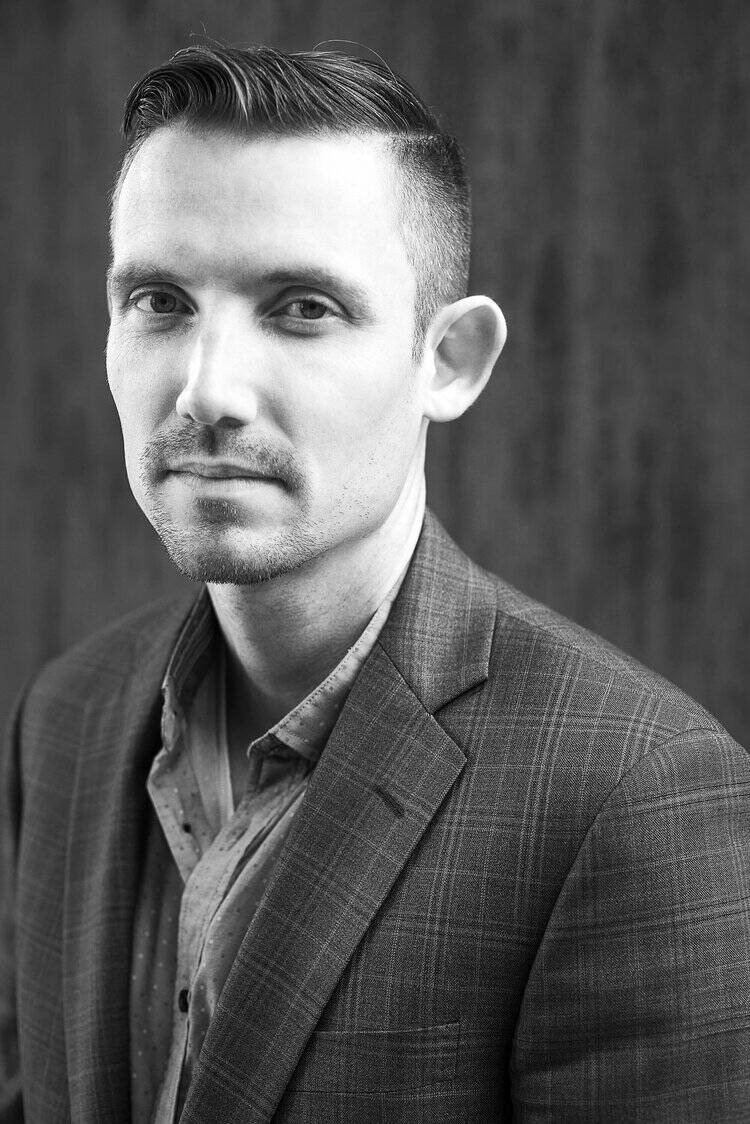
Ira Wells
On top of it all, there is something truly magical about books. As Wells contends, “Literature… is our most powerful technology for self-transcendence, for representing psychological interiority, for knowing people, and in more ways, than our embodied lives could ever allow.”
On Book Banning is a concise, exquisite, and tidy inquiry into our common desire to protect against the other. Wells serves up a masterful and provocative treatise about the nature of free speech and the power of the written word, for better or for worse.
Matt Henderson is superintendent of the Winnipeg School Division.