RBC scraps sustainable finance commitment, holds back on disclosures
Advertisement
Read this article for free:
or
Already have an account? Log in here »
To continue reading, please subscribe:

Digital Subscription
One year of digital access for only $205*
- Enjoy unlimited reading on winnipegfreepress.com
- Read the E-Edition, our digital replica newspaper
- Access News Break, our award-winning app
- Play interactive puzzles
*First annual payment billed as $205.00 + GST for one year. This annual subscription will automatically renew at $233.00 + GST every 52 weeks (10% off the regular annual price of $259.35). Offer available to new and qualified returning subscribers only. Cancel any time.
To continue reading, please subscribe:
Add Free Press access to your Brandon Sun subscription for only an additional
$1 for the first 4 weeks*
- Enjoy unlimited reading on winnipegfreepress.com
- Read the E-Edition, our digital replica newspaper
- Access News Break, our award-winning app
- Play interactive puzzles
*Your next Brandon Sun subscription payment will increase by $1.00 and you will be charged $17.95 plus GST for four weeks. After four weeks, your payment will increase to $24.95 plus GST every four weeks.
Read unlimited articles for free today:
or
Already have an account? Log in here »
Hey there, time traveller!
This article was published 29/04/2025 (459 days ago), so information in it may no longer be current.
TORONTO – Canada’s largest bank said Tuesday that it has scrapped one of its flagship climate commitments and is holding back on publicizing other climate progress in part because of new rules around greenwashing.
In its latest sustainability report, RBC said that it has dropped its target of facilitation $500 billion in sustainable financing after finding issues with its methodology.
The bank said the findings, as well as amendments to Canada’s Competition Act that set expectations around environmental claims, led to it “retiring” its commitment.
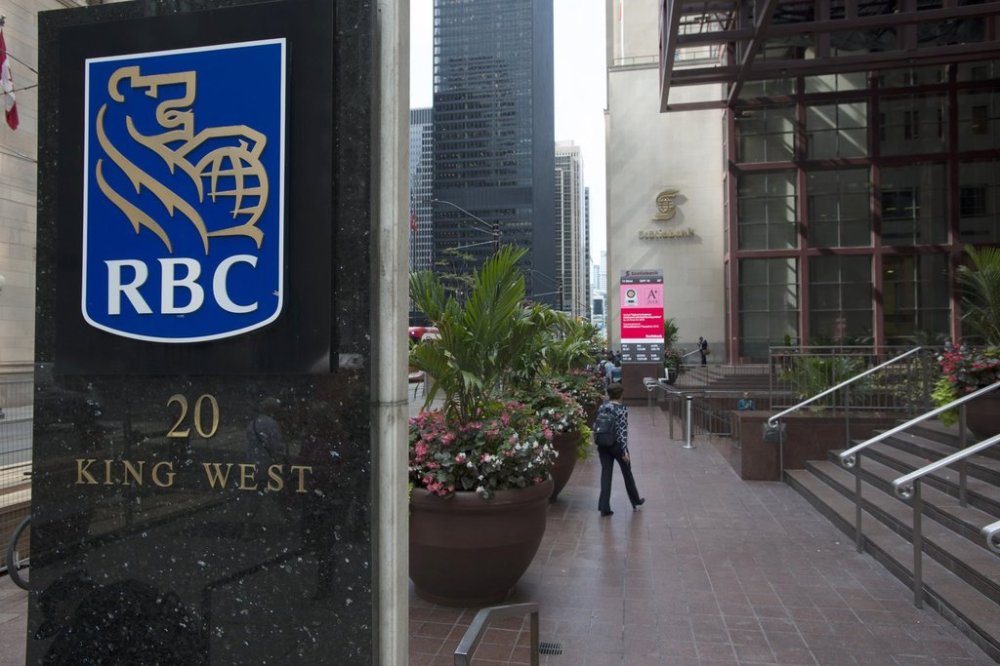
RBC also decided not to disclose its energy supply ratio, an important measure of how its financing of high- and low-carbon energy compare, also citing changes to the act that require environmental claims be backed up.
The bank had last year committed to release its ratio following pressure from shareholders including the New York pension system.
It also said it won’t be disclosing how it’s making progress on its commitment to provide $35 billion to low-carbon energy by 2030.
Jennifer Livingston, RBC’s vice president of climate said in a statement that the bank is proud of its climate work and its increased funding of low-carbon energy, but decided it couldn’t say more.
“Recent amendments to Canada’s Competition Act limit the information we can share on certain sustainability disclosures,” she said.
Livingston pointed to the requirement that metrics align with internationally recognized methodologies, but said none existed for some measurements.
“We are disappointed not to share these metrics externally but will continue to monitor and report them internally to measure our progress.”
There is, however, nothing stopping the bank from reporting its findings, said Tanya Jemec, a finance lawyer at advocacy group Ecojustice.
“The Competition Act greenwashing provisions do not stop companies from making claims about their business that can be adequately substantiated,” she said in an email.
“RBC’s refusal to disclose its energy financing ratio suggests a lack of confidence in its own methodology.”
She pointed to the methodology for the energy supply ratio pioneered by BloombergNEF as a possible reference point, noting that under such methods RBC is among the worst performers among big global banks.
‘”If the bank adopted a standard, like BloombergNEF’s, it might be able to meet Canada’s greenwashing requirements — but doing so could expose its poor performance.”

Stand.earth climate finance director Richard Brooks said the scrubbing of data is a disappointing and concerning step backwards by Canada’s biggest bank.
He said the action showed Prime Minister Mark Carney will need to take a more forceful stance to push climate action forward.
“RBC is stepping further back, so in my opinion, this means Carney must step forward and acknowledge voluntary measures will not work and regulation must be accelerated.”
This report by The Canadian Press was first published April 29, 2025.
Companies in this story: (TSX:RY)