

The threat of a war with India empties a scenic Pakistani valley of summer tourists
Advertisement
Read this article for free:
or
Already have an account? Log in here »
To continue reading, please subscribe:
Monthly Digital Subscription
$1 per week for 24 weeks*
- Enjoy unlimited reading on winnipegfreepress.com
- Read the E-Edition, our digital replica newspaper
- Access News Break, our award-winning app
- Play interactive puzzles
*Billed as $4.00 plus GST every four weeks. After 24 weeks, price increases to the regular rate of $19.95 plus GST every four weeks. Offer available to new and qualified returning subscribers only. Cancel any time.
Monthly Digital Subscription
$4.99/week*
- Enjoy unlimited reading on winnipegfreepress.com
- Read the E-Edition, our digital replica newspaper
- Access News Break, our award-winning app
- Play interactive puzzles
*Billed as $19.95 plus GST every four weeks. Cancel any time.
To continue reading, please subscribe:
Add Free Press access to your Brandon Sun subscription for only an additional
$1 for the first 4 weeks*
*Your next subscription payment will increase by $1.00 and you will be charged $16.99 plus GST for four weeks. After four weeks, your payment will increase to $23.99 plus GST every four weeks.
Read unlimited articles for free today:
or
Already have an account? Log in here »
Hey there, time traveller!
This article was published 01/05/2025 (333 days ago), so information in it may no longer be current.
MUZAFFARABAD, Pakistan (AP) — Neelum Valley in northern Pakistan attracts some 300,000 tourists each summer who marvel at its natural beauty. But the threat of war with nearby India has emptied its hotels.
Gunmen last week killed 26 people in the Indian resort town of Pahalgam, fueling tensions between the nuclear-armed nations after India blamed Pakistan for the attack, a charge Pakistan denies.
Neelum Valley is less than 3 kilometers (1.8 miles) from the Line of Control, the de facto border that divides the disputed region of Kashmir, making it vulnerable to any military activity.
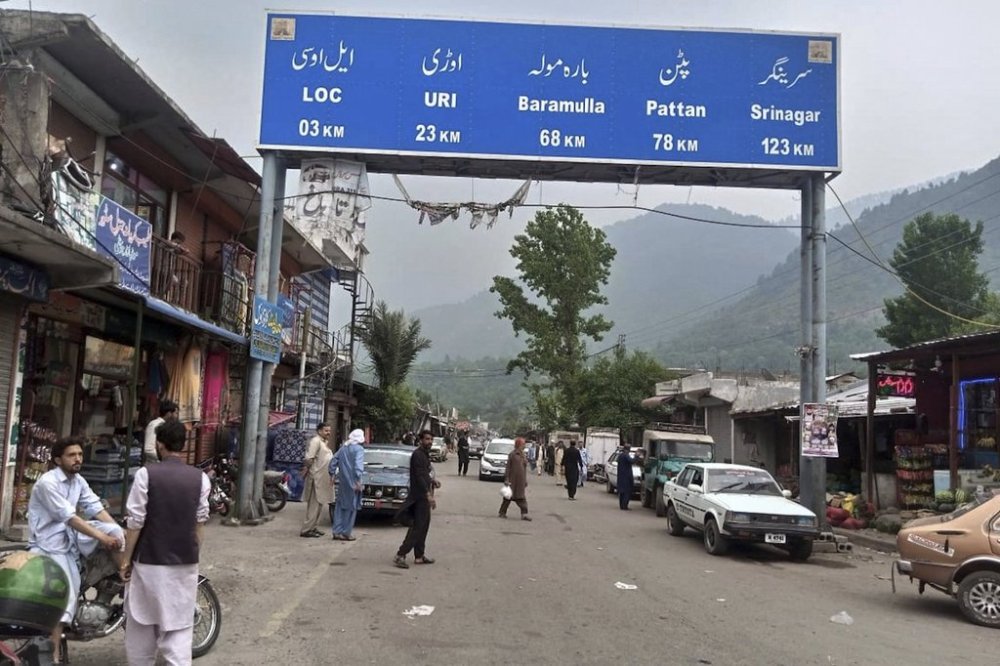
Hotel owner Rafaqat Hussain said Thursday the crisis has hit the tourism industry hard. “Most tourists have left and returned to their cities because there is a risk of war.”
Authorities in the Indian-controlled part of Kashmir temporarily shuttered dozens of tourist resorts following the attack as a precaution.
No such order has come from Pakistani authorities. Bazaars in the Pakistani border town of Chakothi were open for business, although people were concerned.
“First of all, our prayer is for peace, as war always affects civilians first,” shop owner Bashir Mughal told The Associated Press, saying he would fight alongside the army in the event of conflict.
Pakistan used to help residents to build bunkers near their homes during periods of intense cross-border firing. But the population has grown and some homes lack shelters. “Local casualties could be devastating if war breaks out,” Mughal warned.
Saiqa Naseer, also from Chakothi, shuddered at the childhood memories of frequent firing across the border. “Now, as a mother, I find myself facing the same fears,” she said.
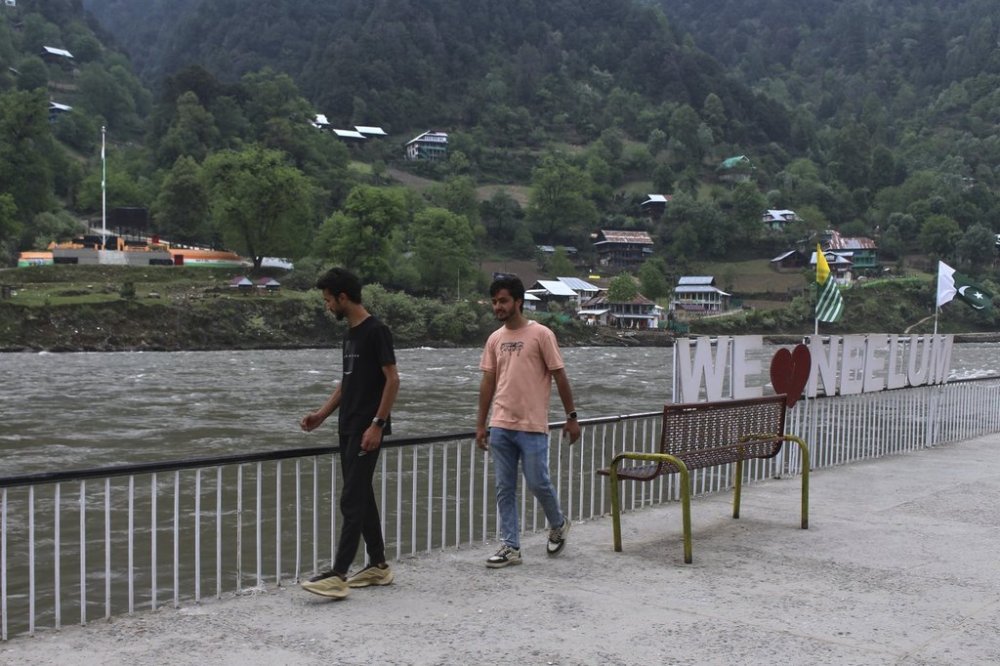
She remembered Indian shells striking the picturesque valley when the two countries came close to war in 2019. She has a bunker at her home.
“If war comes, we will stay here. We won’t run away,” she said.