Invasive fish captured in N.S. is first of such species found in Atlantic Canada
Advertisement
Read this article for free:
or
Already have an account? Log in here »
To continue reading, please subscribe:

Digital Subscription
One year of digital access for only $205*
- Enjoy unlimited reading on winnipegfreepress.com
- Read the E-Edition, our digital replica newspaper
- Access News Break, our award-winning app
- Play interactive puzzles
*First annual payment billed as $205.00 + GST for one year. This annual subscription will automatically renew at $233.00 + GST every 52 weeks (10% off the regular annual price of $259.35). Offer available to new and qualified returning subscribers only. Cancel any time.
To continue reading, please subscribe:
Add Free Press access to your Brandon Sun subscription for only an additional
$1 for the first 4 weeks*
- Enjoy unlimited reading on winnipegfreepress.com
- Read the E-Edition, our digital replica newspaper
- Access News Break, our award-winning app
- Play interactive puzzles
*Your next Brandon Sun subscription payment will increase by $1.00 and you will be charged $17.95 plus GST for four weeks. After four weeks, your payment will increase to $24.95 plus GST every four weeks.
Read unlimited articles for free today:
or
Already have an account? Log in here »
Hey there, time traveller!
This article was published 26/05/2025 (502 days ago), so information in it may no longer be current.
NEW GERMANY – Fisheries and Oceans Canada says an invasive type of fish called a pond loach has been found in Nova Scotia, marking the first such finding in Atlantic Canada.
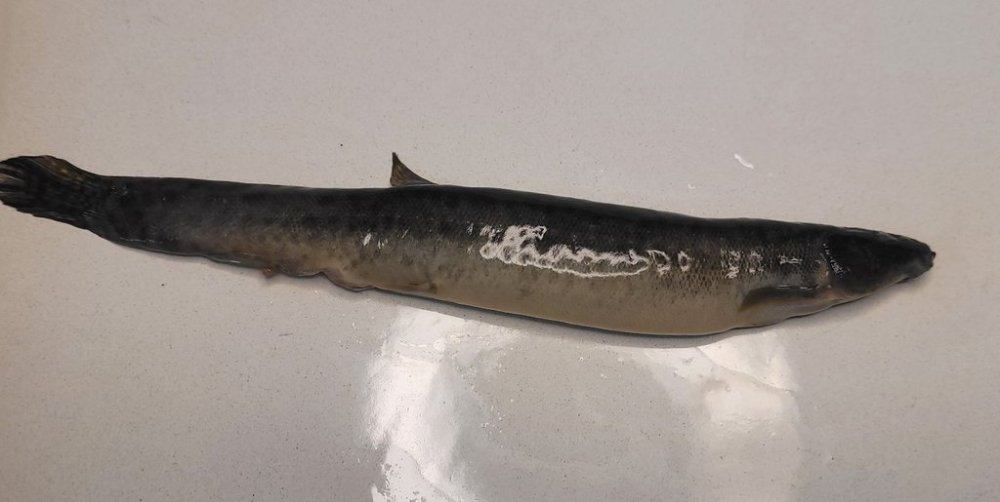
A single, egg-bearing, female Oriental Weatherfish, or pond loach, was found in Morgans Falls, near New Germany, N.S., the federal department said in an emailed statement Monday.
Fisheries and Oceans Canada said the fish species is native to eastern Asia, and that the one captured on April 29 was likely introduced to Nova Scotia after being released from an aquarium.
Invasive species, such as the pond loach, are a problem because of the disruption they can cause to habitats and ecosystems.
Pond loach can reproduce quickly, and once the fish is established in a new habitat, it may compete with native species for food, or prey on them directly.
Releasing any aquatic species into a body of water where it is not native, unless authorized by federal, provincial or territorial law, is illegal under the federal Aquatic Invasive Species Regulations.
“To help prevent the introduction and spread of aquatic invasive species, do not let loose any aquatic species into a new body of water, down the drain, or into the sewers,” reads the statement from Department of Fisheries and Oceans (DFO).
The pond loach is brown or dark green with dark scattered speckles and a light-coloured underside. It has a long, cylindrical, eel-like body, that can measure between 10 and 25 centimetres in length. The fish also has between six and eight barbels, or whiskers, around its mouth.
The fish prefer slow-moving, muddy or silty habitats, but the can survive in a range of environmental conditions.

The pond loach has also been reported in southern British Columbia, the federal department said, but is not known to occur anywhere else in Canada.
The DFO said it has not received any other reports of this species in Nova Scotia, and there are no loach species that are native to the province.
If anyone suspects they have seen a pond loach, the DFO is asking them to report it, with pictures, if possible, to its aquatic invasive species division.
This report by The Canadian Press was first published May 26, 2025.
— By Lyndsay Armstrong in Halifax.