

US supercomputer named after Nobel laureate Jennifer Doudna to power AI and scientific research
Advertisement
Read this article for free:
or
Already have an account? Log in here »
To continue reading, please subscribe:
Monthly Digital Subscription
$1 per week for 24 weeks*
- Enjoy unlimited reading on winnipegfreepress.com
- Read the E-Edition, our digital replica newspaper
- Access News Break, our award-winning app
- Play interactive puzzles
*Billed as $4.00 plus GST every four weeks. After 24 weeks, price increases to the regular rate of $19.95 plus GST every four weeks. Offer available to new and qualified returning subscribers only. Cancel any time.
Monthly Digital Subscription
$4.99/week*
- Enjoy unlimited reading on winnipegfreepress.com
- Read the E-Edition, our digital replica newspaper
- Access News Break, our award-winning app
- Play interactive puzzles
*Billed as $19.95 plus GST every four weeks. Cancel any time.
To continue reading, please subscribe:
Add Free Press access to your Brandon Sun subscription for only an additional
$1 for the first 4 weeks*
*Your next subscription payment will increase by $1.00 and you will be charged $16.99 plus GST for four weeks. After four weeks, your payment will increase to $23.99 plus GST every four weeks.
Read unlimited articles for free today:
or
Already have an account? Log in here »
Hey there, time traveller!
This article was published 29/05/2025 (302 days ago), so information in it may no longer be current.
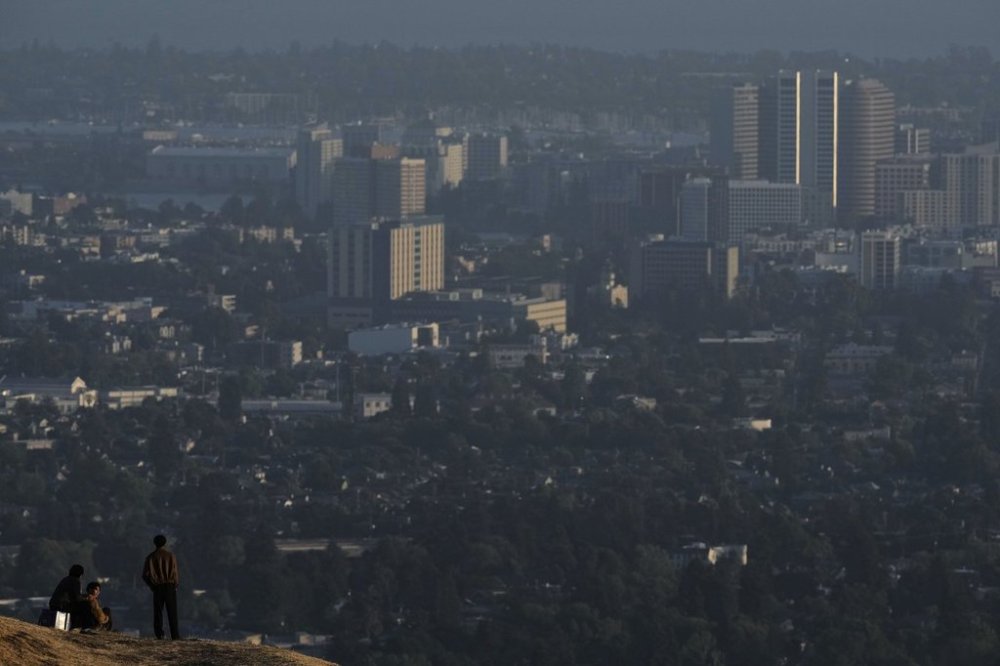
BERKELEY, Calif. (AP) — A new supercomputer named after a winner of the Nobel Prize in chemistry will help power artificial intelligence technology and scientific discoveries from a perch in the hills above the University of California, Berkeley, federal officials said Thursday.
U.S. Energy Secretary Chris Wright announced the project Thursday alongside executives from computer maker Dell Technologies and Nvidia CEO Jensen Huang.
The new computing system at the Lawrence Berkeley National Laboratory will be called Doudna after Berkeley professor and biochemist Jennifer Doudna, who won a Nobel in 2020 for her work on the gene-editing technology CRISPR. It’s due to switch on next year.
“One of the key use cases will be genomics research,” said Dion Harris, a product executive in Nvidia’s AI and high-performance computing division, in an interview. “It was basically just a nod to her contributions to the field.”

Dell is contracted with the energy department to build the computer, the latest to be housed at Berkeley Lab’s National Energy Research Scientific Computing Center. Previous computers there have been named after other Nobel winners: Saul Perlmutter, an astrophysicist, and Gerty Cori, a biochemist.
It’s not clear yet how the computer will rank on the TOP500 listing of the world’s fastest supercomputers. The current top-ranked computer is El Capitan, located about an hour’s drive away at the Lawrence Livermore National Laboratory. That’s followed by other supercomputers at U.S. national labs in Tennessee and Illinois.