

Hants County, N.S., residents rally to oppose uranium mining in the region
Advertisement
Read this article for free:
or
Already have an account? Log in here »
To continue reading, please subscribe:
Monthly Digital Subscription
$1 per week for 24 weeks*
- Enjoy unlimited reading on winnipegfreepress.com
- Read the E-Edition, our digital replica newspaper
- Access News Break, our award-winning app
- Play interactive puzzles
*Billed as $4.00 plus GST every four weeks. After 24 weeks, price increases to the regular rate of $19.95 plus GST every four weeks. Offer available to new and qualified returning subscribers only. Cancel any time.
Monthly Digital Subscription
$4.99/week*
- Enjoy unlimited reading on winnipegfreepress.com
- Read the E-Edition, our digital replica newspaper
- Access News Break, our award-winning app
- Play interactive puzzles
*Billed as $19.95 plus GST every four weeks. Cancel any time.
To continue reading, please subscribe:
Add Free Press access to your Brandon Sun subscription for only an additional
$1 for the first 4 weeks*
*Your next subscription payment will increase by $1.00 and you will be charged $16.99 plus GST for four weeks. After four weeks, your payment will increase to $23.99 plus GST every four weeks.
Read unlimited articles for free today:
or
Already have an account? Log in here »
Hey there, time traveller!
This article was published 02/06/2025 (300 days ago), so information in it may no longer be current.
A Hants County, N.S., resident who planned a weekend meeting to discuss uranium mining in the area says residents in attendance voiced concerns about potential environmental and health harms and a lack of government consultation.
Sarah Trask, who lives in the community of Vaughan, N.S., said in an interview Monday the community meeting to discuss proposed uranium mining in nearby Millet Brook filled a local fire station Saturday.
“The response was overwhelming,” she said, adding that the goal of the meeting was to bring information about uranium mining to the community “because the province hasn’t consulted with us.”
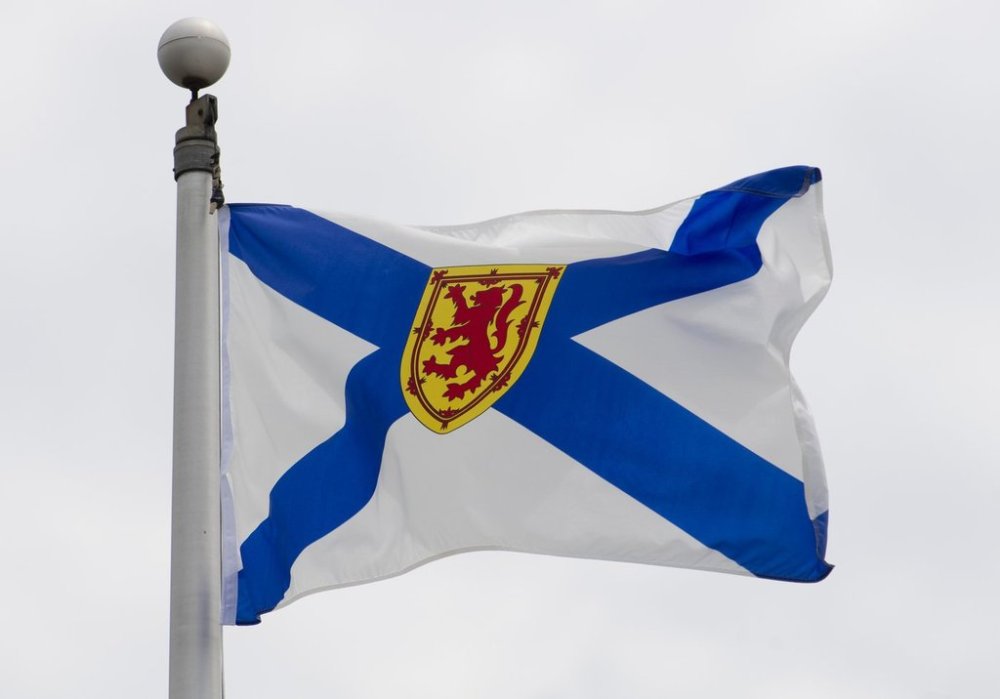
The provincial government added uranium to its list of priority critical minerals May 14, and it issued a request for exploration proposals for three sites with known deposits of the heavy metal. Companies interested have until June 11 to submit their proposals.
The locations are: an 80-hectare site in Louisville in Pictou County; a 64-hectare site in East Dalhousie in Annapolis County; and a 2,300-hectare site in Millet Brook in Hants County.
Much of these areas fall on private land.
The government has previously said companies selected by the province would have to seek permission from landowners to explore. However, Section 26 of the province’s Mineral Resources Act allows the natural resources minister to intervene if there is a stalemate.
The province did not immediately respond to a request for comment Monday.
Trask said speakers at Saturday’s event included a municipal councillor, a Mi’kmaq elder, two members of Canadian Association of Physicians for the Environment and local residents.
Some of these speakers voiced concerns that uranium exploration could result in potential water contamination or exposure to radon gas and radioactive dust.
Trask said a project with such a high potential for risk should require extensive consultation.

“The province hasn’t consulted with anyone, including First Nations and our municipalities. Usually we would hear these things through our municipal government, but these conversations just weren’t had, which I feel is quite shocking,” she said.
The Nova Scotia Assembly of Mi’kmaw Chiefs has repeatedly voiced concerns about government’s lack of consultation with its communities as Nova Scotia pushes to develop natural resources.
Legislation passed in March lifted a full ban on uranium exploration and mining that had been put in place in 2009, although there had been a moratorium on such activities since 1981.
Premier Tim Houston has said the legislative changes were needed to help the province withstand economic challenges from American tariffs.
This report by The Canadian Press was first published June 2, 2025.