An A-level account
Dyer’s moving memoir a charmingly thoughtful and witty read
Advertisement
Read this article for free:
or
Already have an account? Log in here »
To continue reading, please subscribe:

Digital Subscription
One year of digital access for only $205*
- Enjoy unlimited reading on winnipegfreepress.com
- Read the E-Edition, our digital replica newspaper
- Access News Break, our award-winning app
- Play interactive puzzles
*First annual payment billed as $205.00 + GST for one year. This annual subscription will automatically renew at $233.00 + GST every 52 weeks (10% off the regular annual price of $259.35). Offer available to new and qualified returning subscribers only. Cancel any time.
To continue reading, please subscribe:
Add Free Press access to your Brandon Sun subscription for only an additional
$1 for the first 4 weeks*
- Enjoy unlimited reading on winnipegfreepress.com
- Read the E-Edition, our digital replica newspaper
- Access News Break, our award-winning app
- Play interactive puzzles
*Your next Brandon Sun subscription payment will increase by $1.00 and you will be charged $17.95 plus GST for four weeks. After four weeks, your payment will increase to $24.95 plus GST every four weeks.
Read unlimited articles for free today:
or
Already have an account? Log in here »
Hey there, time traveller!
This article was published 14/06/2025 (418 days ago), so information in it may no longer be current.
What a gift — a book you feel is going to be perfunctory turns out to be deeply felt and revelatory.
Veteran British writer Geoff Dyer’s memoir of his working-class childhood in western England surprises you with its thoughtfulness, wit and vivid detail.
Despite its trauma-free subject matter — a boy living with his dull parents in the small city of Cheltenham near the Welsh border — Homework contains passages that will have you laughing out loud, while others might bring you close to tears.
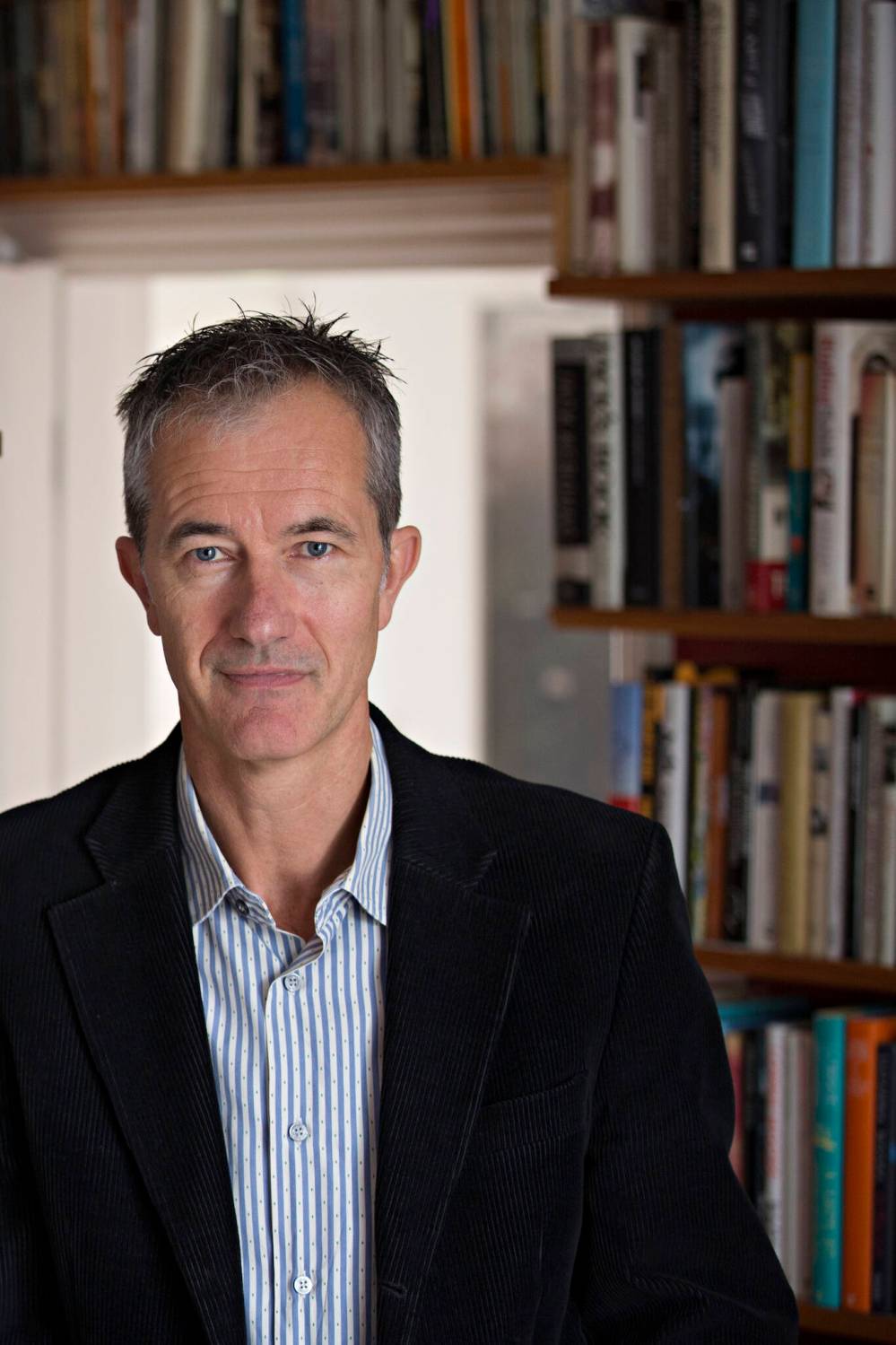
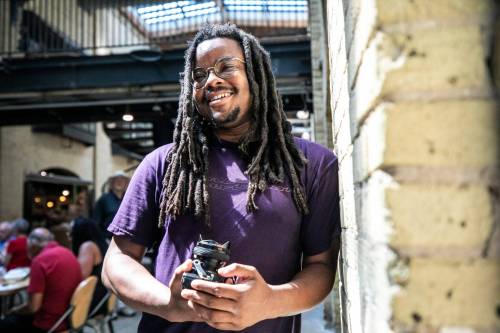
Matt Stuart photo
Geoff Dyer’s memory for detail and humour helps his prose shine on every page.
Presumably no relation to the Free Press’s international affairs columnist Gwynne Dyer, the author is a literary and art critic, non-fiction writer and novelist.
He is a prolific chap, having published almost 20 books. His most recent, 2023’s The Last Days of Roger Federer, examines the later works of a variety of artists, writers, musicians and even athletes who have touched his own life.
Dyer has lived in Los Angeles for a dozen years, where he teaches creative writing at UCLA. Being uprooted from his native soil, one suspects, and also the death of his parents a few years before that, must have got him thinking of who he is and where he comes from.
He was born in 1958. He grew up as an only child when England had finally shed the deprivation resulting from two world wars and a punishing depression.
Yet deprivation was all his parents had ever known in their formative years, and it marked them for life. His mother, the daughter of poor dairy farmers, expected nothing beyond subsistence.
His father, meanwhile, a sheet-metal worker who had served his war years in India, made a religion out of thriftiness.
In an early passage Dyer describes his dad’s morning shaving ritual, which took place in the kitchen, “the red washing-up bowl becoming grey with suds and tiny splinters of beard.”
After the blades became too dull for him, he passed them to his wife “to shave her shins, after which they were still not thrown out.
“Their functional life was ended but they had some as yet undiscovered use even if they were so blunt as to have rendered suicide almost impossible.”
This combination of memory for detail and droll humour makes Dyer’s prose shine on every page. The book is awash in Britishisms (“biro,” “lollies,” “O-levels” and “A-levels”), which go undefined for North American readers.
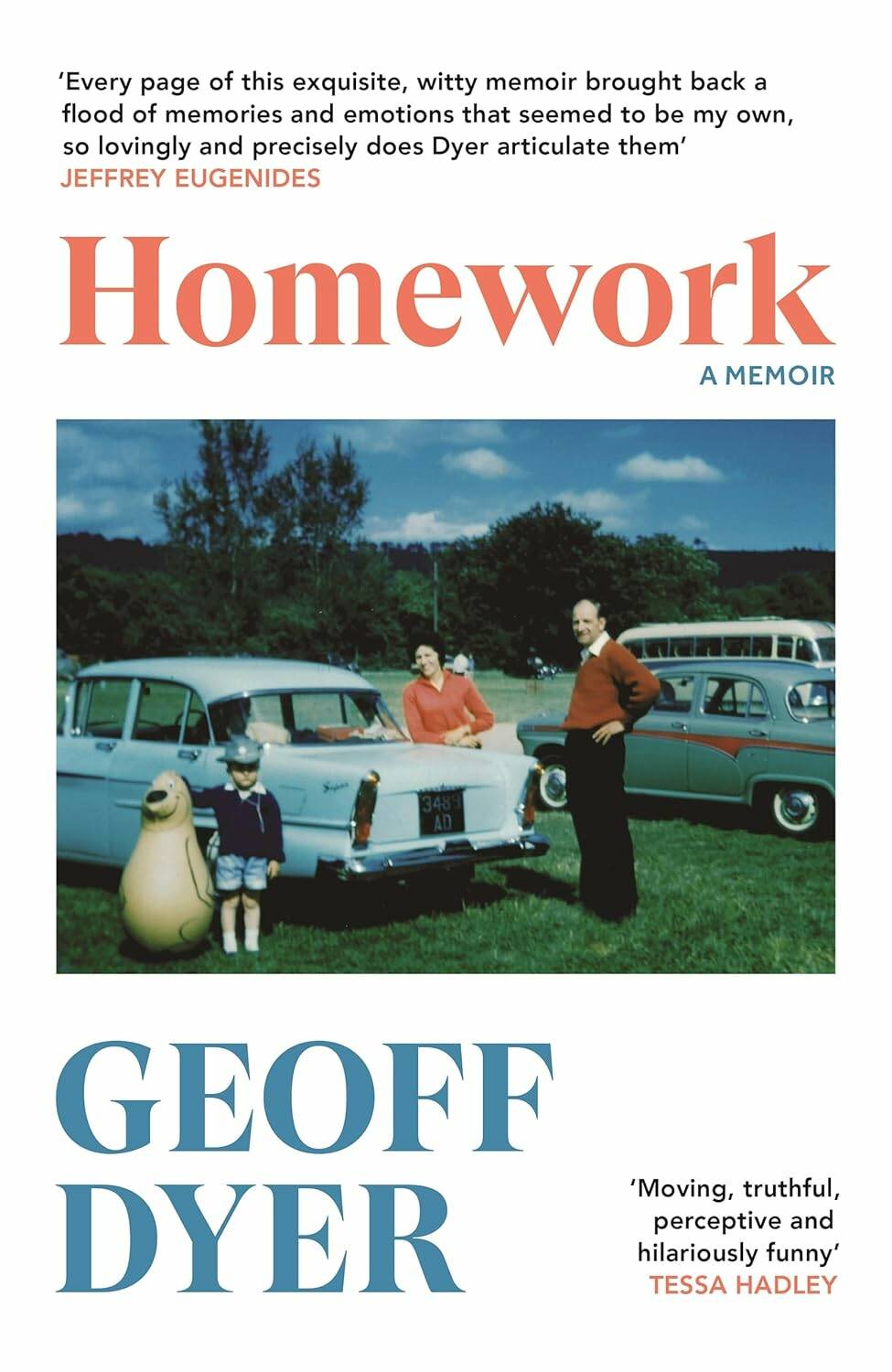
At one point Dyer applies his art-critic’s skills to a brilliant exegesis of the book’s cover photo.
It shows him in a cowboy hat at age six, while his folks pose beside the symbol of their proudly attained affluence, a sky-blue 1963 Vauxhall Victor, “looking like an American car but less elongated, as though a U.S. model had been shortened in order to better accommodate itself to our narrow island.”
Homework
Dyer relates his story chronologically. As a youngster he spends his weekends in the backseat of the Vauxhall on trips to the country to visit his Dickensian collection of grandparents, aunts and uncles.
At age 11, he passes his “11-pluses,” England’s national exams at the time which divided students into academic and vocational streams.
His parents were chuffed that the fruit of their loins was going to “grammar school,” in which he would learn to work with head rather than his hands, as did they.

Ironically, however, this “most momentous” event separated him from his parents. The attitudinal gulf widened as he grew into his teens, discovering music, tennis, beer and books.
He was a lanky, good-looking youth who had his share of success with girls. Some of his erotic recollections verge on TMI, given the wholesomeness of the preceding pages.
The story, you think, will conclude triumphantly with Dyer’s admission to Oxford University. But there is a moving coda regarding his mother’s background, which he foreshadows in his earlier analysis of the cover photo.
One quibble. Homework is a terrible title. This memoir is not work at all.
Morley Walker is a retired Free Press editor and writer.