The largest digital camera ever built has released its first shots of the universe
Read this article for free:
or
Already have an account? Log in here »
To continue reading, please subscribe:

Digital Subscription
One year of digital access for only $205*
- Enjoy unlimited reading on winnipegfreepress.com
- Read the E-Edition, our digital replica newspaper
- Access News Break, our award-winning app
- Play interactive puzzles
*First annual payment billed as $205.00 + GST for one year. This annual subscription will automatically renew at $233.00 + GST every 52 weeks (10% off the regular annual price of $259.35). Offer available to new and qualified returning subscribers only. Cancel any time.
To continue reading, please subscribe:
Add Free Press access to your Brandon Sun subscription for only an additional
$1 for the first 4 weeks*
- Enjoy unlimited reading on winnipegfreepress.com
- Read the E-Edition, our digital replica newspaper
- Access News Break, our award-winning app
- Play interactive puzzles
*Your next Brandon Sun subscription payment will increase by $1.00 and you will be charged $17.95 plus GST for four weeks. After four weeks, your payment will increase to $24.95 plus GST every four weeks.
Read unlimited articles for free today:
or
Already have an account? Log in here »
Hey there, time traveller!
This article was published 23/06/2025 (436 days ago), so information in it may no longer be current.
NEW YORK (AP) — The largest digital camera ever built released its first shots of the universe Monday — including colorful nebulas, stars and galaxies.

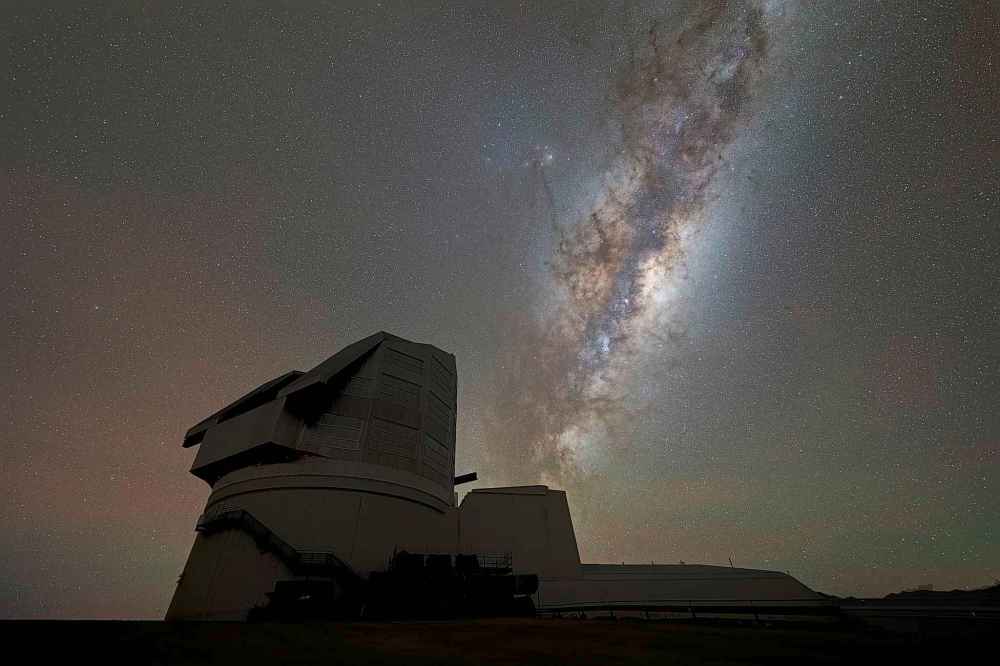
The Vera C. Rubin Observatory, located on a mountaintop in Chile, was built to take a deeper look at the night sky, covering hidden corners.
Funded by the U.S. National Science Foundation and U.S. Department of Energy, it will survey the southern sky for the next 10 years.
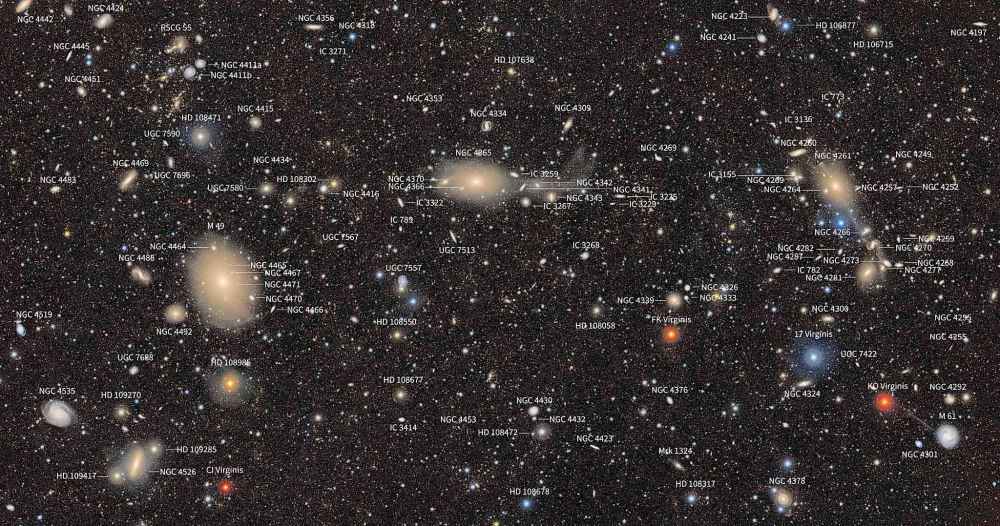
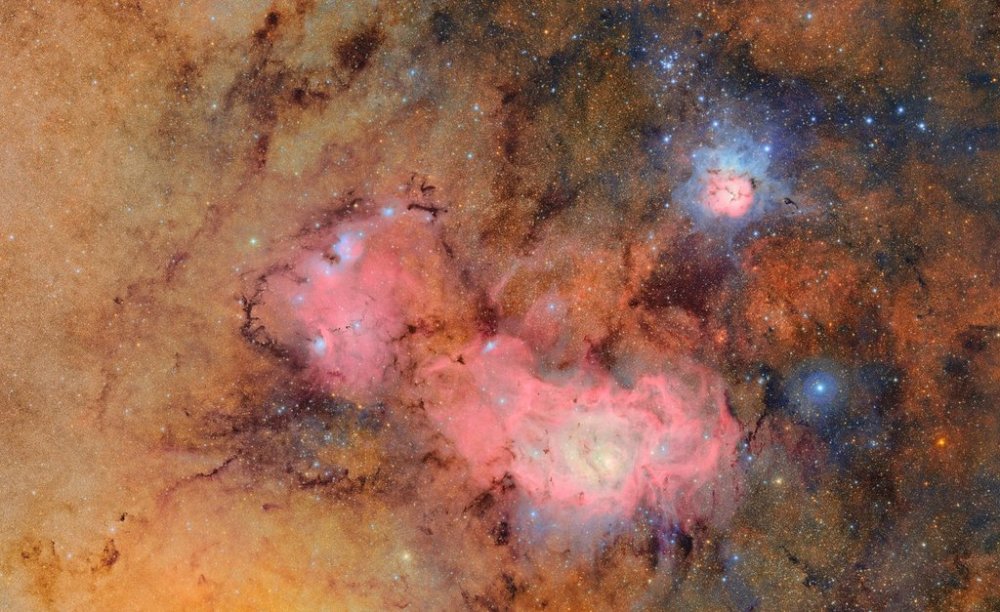
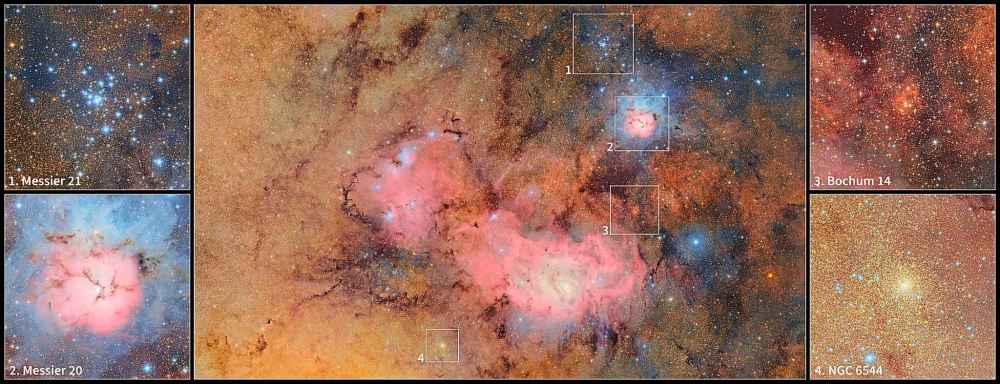
The observatory’s first look features the vibrant Trifid and Lagoon nebulas located thousands of light-years from Earth.
A light-year is nearly 6 trillion miles. A gaggle of galaxies known as the Virgo Cluster were also captured, including two bright blue spirals.
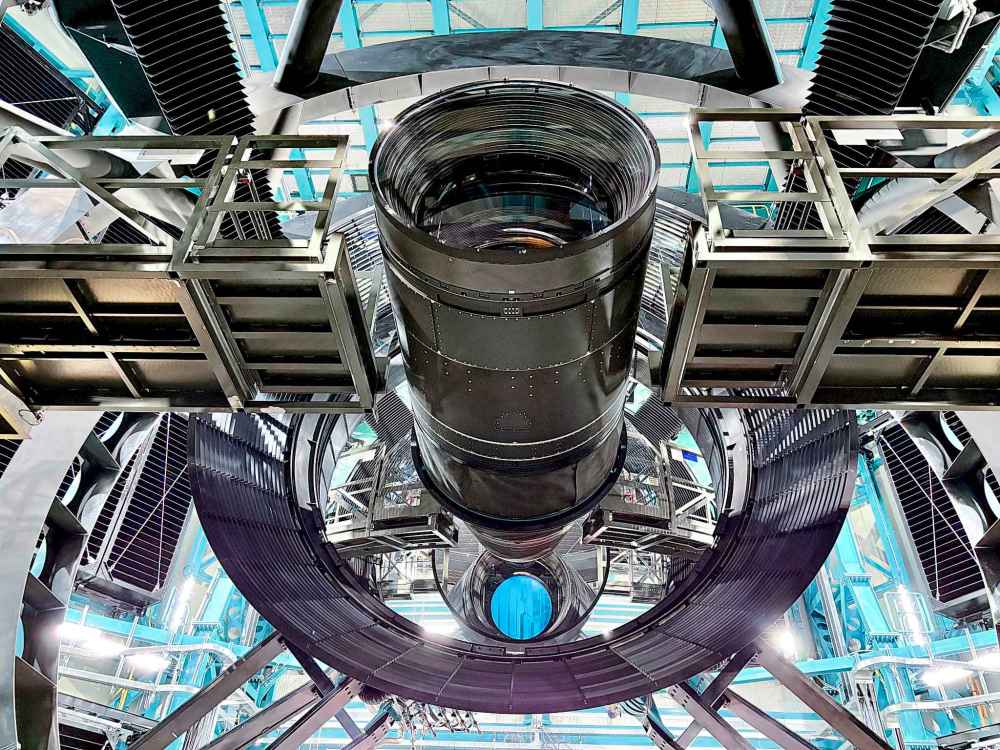
The observatory hopes to image 20 billion galaxies and discover new asteroids and other celestial objects.
The effort is named after astronomer Vera Rubin, who offered the first tantalizing evidence that a mysterious force called dark matter might be lurking in the universe.
Researchers hope the observatory’s discerning camera may yield clues about this elusive entity along with another called dark energy.
The Associated Press Health and Science Department receives support from the Howard Hughes Medical Institute’s Department of Science Education and the Robert Wood Johnson Foundation. The AP is solely responsible for all content.