Never a better time to check out Canadian wines
Winemakers and wine drinkers alike would benefit if trade barriers were removed

Advertisement
Read this article for free:
or
Already have an account? Log in here »
To continue reading, please subscribe:
Digital Subscription
One year of digital access for only $1.44 a week*
- Enjoy unlimited reading on winnipegfreepress.com
- Read the E-Edition, our digital replica newspaper
- Access News Break, our award-winning app
- Play interactive puzzles
*Billed as $5.77 plus GST every four weeks. After 52 weeks, price increases to the regular rate of $19.95 plus GST every four weeks. Offer available to new and qualified returning subscribers only. Cancel any time.
To continue reading, please subscribe:
Add Free Press access to your Brandon Sun subscription for only an additional
$1 for the first 4 weeks*
- Enjoy unlimited reading on winnipegfreepress.com
- Read the E-Edition, our digital replica newspaper
- Access News Break, our award-winning app
- Play interactive puzzles
*Your next Brandon Sun subscription payment will increase by $1.00 and you will be charged $17.95 plus GST for four weeks. After four weeks, your payment will increase to $24.95 plus GST every four weeks.
Read unlimited articles for free today:
or
Already have an account? Log in here »
Hey there, time traveller!
This article was published 28/06/2025 (483 days ago), so information in it may no longer be current.
Not since Prohibition — from around the time of the First World War into the 1920s, for most provinces — has there been a more volatile time to be a producer of wine (or beer or spirits) in Canada.
Here in Manitoba, as is the case in some other provinces, the consumer has it relatively good. We’re able to purchase wine, beer and spirits directly from any producer in the country that’s willing to ship to us. And Liquor Marts and private wine store shelves enjoy a solid cross-section of products from both of the country’s two primary winemaking regions — British Columbia and Ontario.
But the import and export rules vary from province to province, meaning we might be able to get our favourite Ontario wine delivered directly, while an Ontario consumer, living in a province with more restrictive direct shipping regulations, likely can’t do the same with their favourite Manitoba booze.
Jeff McIntosh / The Canadian Press Sprinklers water grapes vines in the Okanagan Valley’s wine country. The region’s tourism has taken a hit.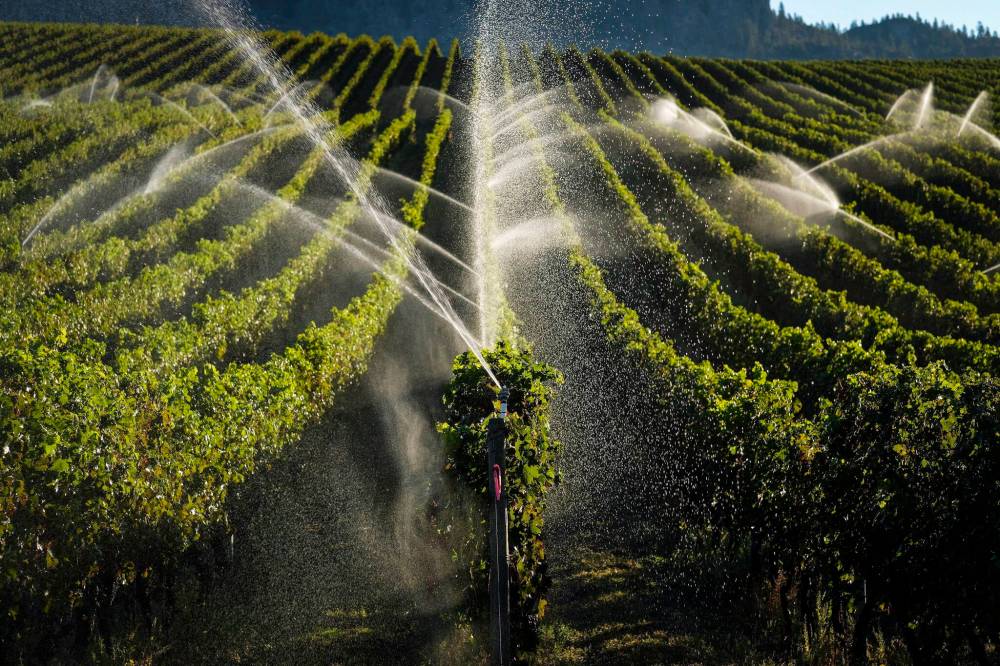
Getting a product onto LCBO (Liquor Control Board of Ontario) store shelves is notoriously difficult, particularly if you’re a smaller producer unable to craft significant quantities of said product. The ability for, say, a Winnipeg craft brewer to ship directly to a consumer in the GTA, cottage country or anywhere else in Ontario would be a boon, as it would be with other more restrictive provinces.
Since the whole “elbows up” phenomenon caused by trade tariffs with the U.S., there’s been a push to roll back interprovincial trade barriers. Such a move could help to create a clearer picture of Canadian wine for consumers. We’re a young wine-producing country, relatively speaking, and wineries in our primary viticultural regions are separated by thousands of kilometres.
Understandably, Canadian wine store shelves in B.C. are dominated by wines from that province, while Ontarians have access to a host of wines made in their own backyard. The focus by BCLDB (B.C. Liquor Distribution Board) and LCBO stores on product from their respective provinces leaves few shelf spots available for each other’s wines.
Removing existing trade barriers and allowing consumers to order direct from any province would help consumers develop a better understanding of the killer wines made in every region of our country.
The Okanagan Valley, in particular, is in a tenuous situation at present. After a couple of years of wildfires in the area, which impacted some grapes with smoke taint and damaged other vineyards, the region suffered brutal winter cold snaps in late 2022 and early 2024 that decimated vineyards.
These climate-change-related extreme weather events have many producers mulling whether to plant hardier varieties to withstand extreme weather. And many have looked to their counterparts in the Cascadia region of the U.S. West Coast — Oregon, Washington and California — for grapes to fill in temporarily while B.C. wineries replant vineyards.
As a result, most B.C. wines that we see (or will see) in our market sporting the 2024 vintage that would typically be labelled with the VQA (Vintners Quality Alliance) designation — meaning the grapes in the bottle come from the region shown on the label — are now made with American juice.
Producers have taken steps to try and educate consumers via dedicated websites explaining why they had to take this step. Some have created new lines of wines complete with unique branding to differentiate them from the stuff they’d normally produce, which is helpful. Others, meanwhile, have simply kept producing the same lines of wines with the same look, albeit sans VQA designation and with a quick explanation on the back label about the fruit’s providence.
Scan your local Liquor Marts/wine store shelves and check out the differences between 2024 B.C. wines and those from the same province but another vintage — in some cases, without a close look you’d never know the grapes came from away, so to speak.
Tourism in the Okanagan has also taken a hit for a variety of reasons, including inflation and the aforementioned wildfires. For those producers who chose not to purchase grapes from elsewhere to fill in for the 2024 vintage, there’s little to no wine left to sell this year, and some have made the tough decision to keep tasting rooms closed for 2025.
Some B.C. wineries will weather the storm. Others may not make it, with some already publicly announced as being for sale, and many more quietly but unofficially available for purchase for those brave or adventurous (or foolish) enough to plunk down some millions in these fiscally turbulent times.
So this year, swirl, sniff and sip on Canada Day weekend with elbows up, and enjoy the range of Canadian wines available to us here in the middle of the country. Or if you’re looking to travel this summer, consider Canadian wine country in Ontario, B.C., Nova Scotia or elsewhere.
Because by next year, the viticultural landscape in Canada could look quite different.
uncorked@mts.net
@bensigurdson
Wines of the week
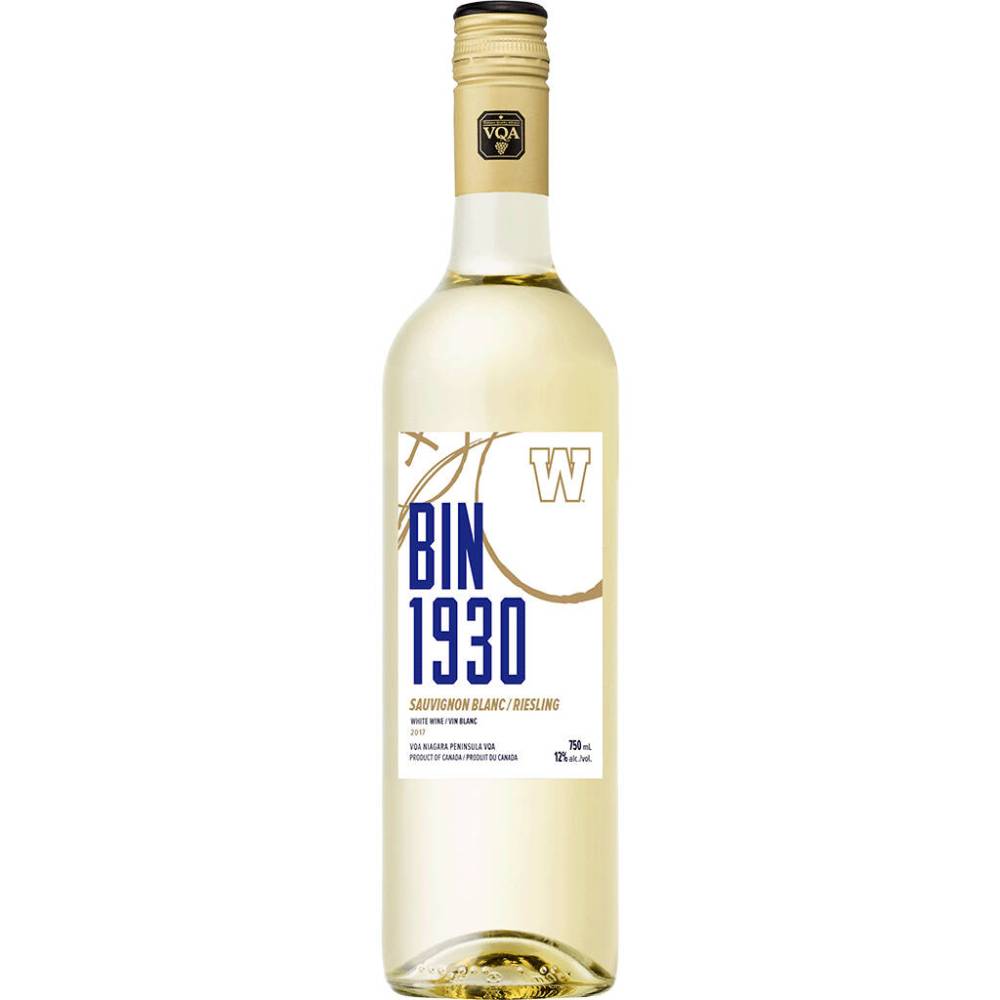
Strewn 2023 Bin 1930 Sauvignon Blanc/Riesling (Niagara Peninsula, Ont. — $17.99, Liquor Marts and beyond)
This Winnipeg Blue Bombers-labelled Ontario white blend is pale straw in appearance, bringing lovely chalky lemon candy, fresh red apple, floral and subtle grassy, herbal notes. It’s light-bodied and mainly dry, with a lively chalky, almost-salty note that comes with the lemon zest, red apple and white peach notes, zippy acidity and, at 12 per cent alcohol, a modest finish. A solid selection for salads, mild cheeses or any football-watching fare. 3.5/5
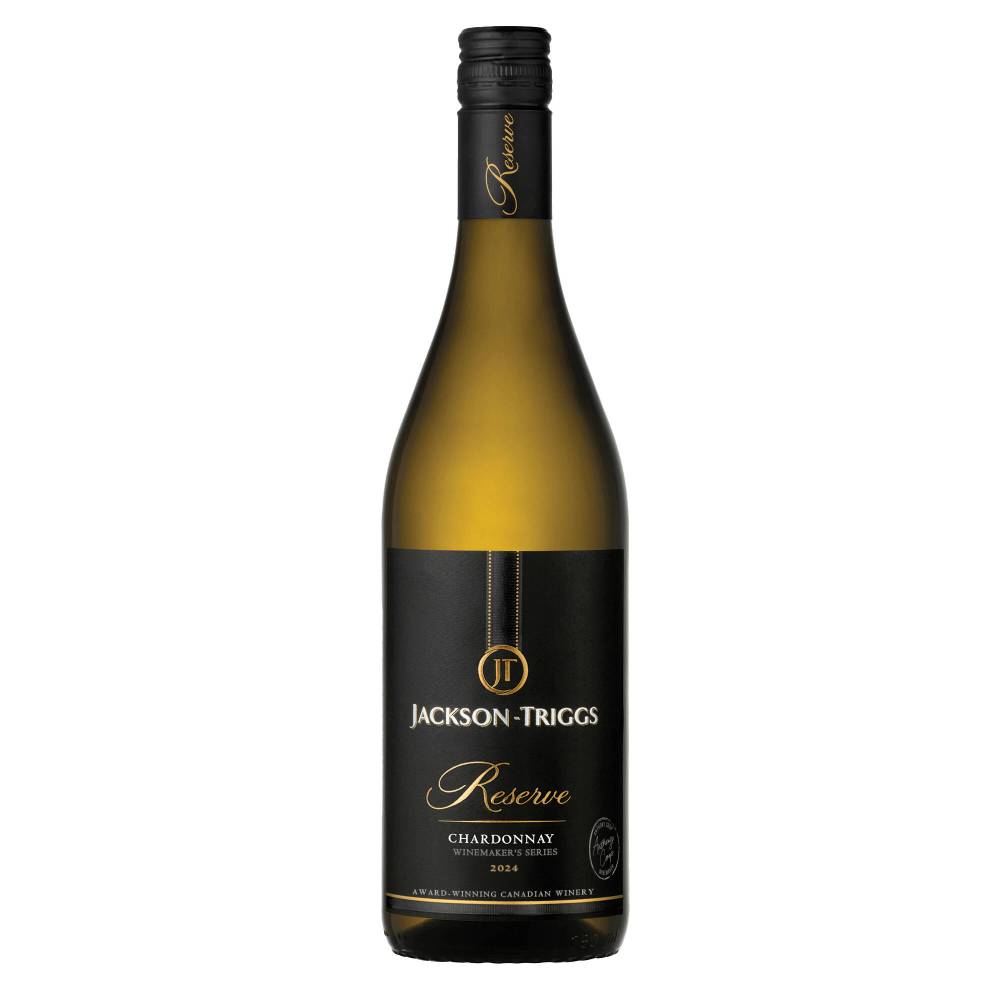
Jackson-Triggs 2024 Winemaker’s Series Reserve Chardonnay (Pacific Northwest/B.C. — $17.99, Liquor Marts and beyond)
Here’s one of Jackson-Triggs Okanagan’s 2024 wines made using fruit from the U.S. Pacific Northwest, but whose label looks much like the other B.C. VQA wines, minus the VQA designation on the label. (Theres’s some info on the back label about the shift as well as a QR code to a website explaining the situation.) It’s pale gold in appearance and aromatically offers ripe peach, red apple, vanilla and baking spice notes. It’s medium-bodied, dry and quite ripe, with fleshy peach and red apple coming with vanilla and spice (the latter two from time in French and American oak), a creamy texture, a hint of marmalade and a medium-length finish (it’s 13 per cent alcohol). For those who prefer their Chardonnay on the riper but less woody side. 3.5/5

Magnotta 2023 Equus Pinot Noir (Niagara Peninsula, Ont. — around $20, private wine stores)
Pale brick-ish cherry in colour, this Niagara Peninsula Pinot Noir shows earth, spice, black cherry, plum and mocha notes aromatically. It’s light-bodied and dry, with slightly stewed cherry, blueberry jam, plum, mocha and spice flavours, with light tannins and a modest finish. Try it with mushroom risotto. Available at The Pourium. 3/5
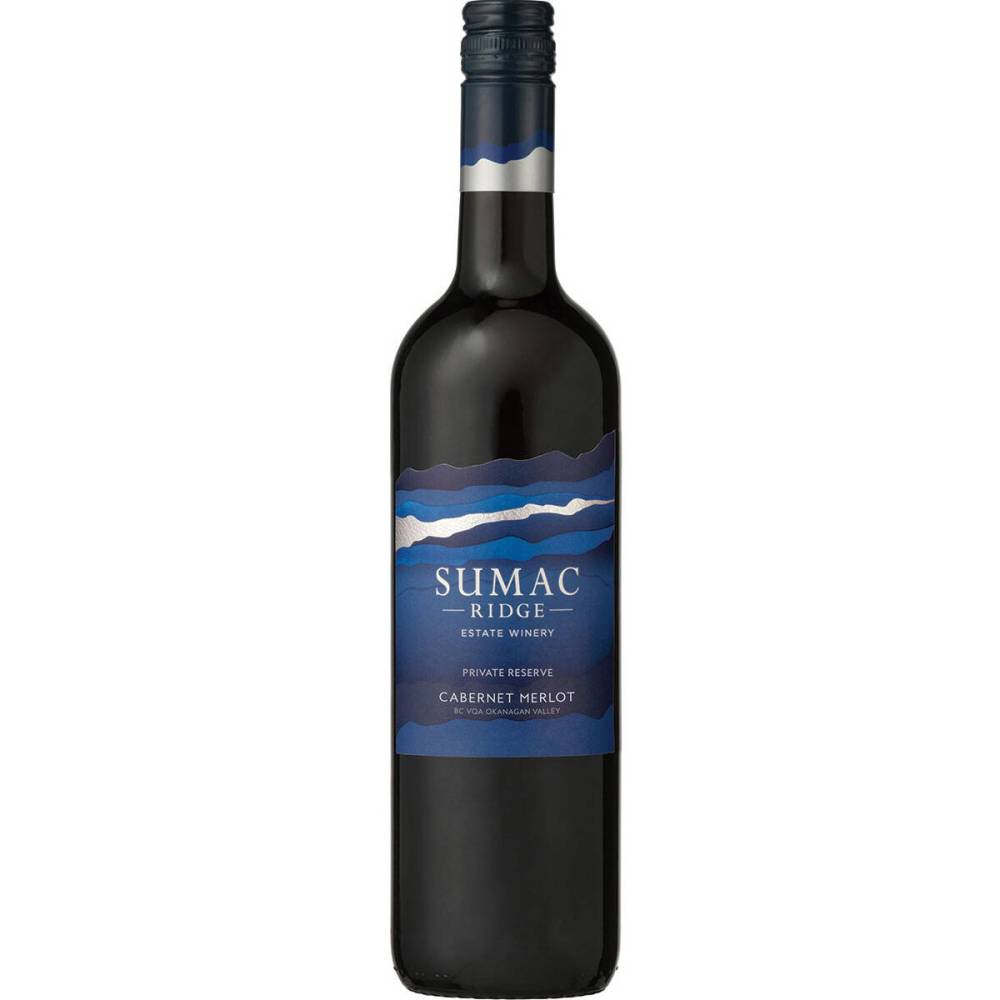
Sumac Ridge Estate Winery 2022 Cabernet Merlot (Okanagan Valley, B.C. — $17.99, Liquor Marts and beyond)
A Merlot, Cabernet Sauvignon and Cabernet Franc blend, this B.C. VQA red brings ripe plum and cassis notes on the nose, as well as hints of bell pepper, savoury herbs and spice. On the medium-plus bodied palate the ripe, almost-plush (but not overly jammy) dark fruit flavours are much more up front, with secondary vanilla, white pepper, black tea and a hint of smoke that comes with chewy, grippy tannins and, at 14 per cent alcohol, a slightly warm finish. Could use a steak, stew or some other form of meaty protein to soften things up. Of note, the 2024 wines from Sumac Ridge are made from Pacific Northwest fruit but not visibly differentiated from the VQA wines in any significant way. 3/5
Ben Sigurdson
Literary editor, drinks writer
Ben Sigurdson is the Free Press‘s literary editor and drinks writer. He graduated with a master of arts degree in English from the University of Manitoba in 2005, the same year he began writing Uncorked, the weekly Free Press drinks column. He joined the Free Press full time in 2013 as a copy editor before being appointed literary editor in 2014. Read more about Ben.
In addition to providing opinions and analysis on wine and drinks, Ben oversees a team of freelance book reviewers and produces content for the arts and life section, all of which is reviewed by the Free Press’s editing team before being posted online or published in print. It’s part of the Free Press‘s tradition, since 1872, of producing reliable independent journalism. Read more about Free Press’s history and mandate, and learn how our newsroom operates.
Our newsroom depends on a growing audience of readers to power our journalism. If you are not a paid reader, please consider becoming a subscriber.
Our newsroom depends on its audience of readers to power our journalism. Thank you for your support.
Advertisement Advertise With Us
Advertisement Advertise With Us