

Dermo disease confirmed in Quebec, P.E.I. oysters
Advertisement
Read this article for free:
or
Already have an account? Log in here »
To continue reading, please subscribe:
Monthly Digital Subscription
$1 per week for 24 weeks*
- Enjoy unlimited reading on winnipegfreepress.com
- Read the E-Edition, our digital replica newspaper
- Access News Break, our award-winning app
- Play interactive puzzles
*Billed as $4.00 plus GST every four weeks. After 24 weeks, price increases to the regular rate of $19.95 plus GST every four weeks. Offer available to new and qualified returning subscribers only. Cancel any time.
Monthly Digital Subscription
$4.99/week*
- Enjoy unlimited reading on winnipegfreepress.com
- Read the E-Edition, our digital replica newspaper
- Access News Break, our award-winning app
- Play interactive puzzles
*Billed as $19.95 plus GST every four weeks. Cancel any time.
To continue reading, please subscribe:
Add Free Press access to your Brandon Sun subscription for only an additional
$1 for the first 4 weeks*
*Your next subscription payment will increase by $1.00 and you will be charged $16.99 plus GST for four weeks. After four weeks, your payment will increase to $23.99 plus GST every four weeks.
Read unlimited articles for free today:
or
Already have an account? Log in here »
Hey there, time traveller!
This article was published 04/07/2025 (265 days ago), so information in it may no longer be current.
Cases of a disease affecting oysters have been confirmed in Quebec and Prince Edward Island for the first time.
The Canadian Food Inspection Agency says dermo was detected in oyster samples from Chaleur Bay in Quebec and Egmont Bay, P.E.I.
It says a different disease affecting oysters, known as MSX, was also confirmed in the Quebec samples, another first in the province.
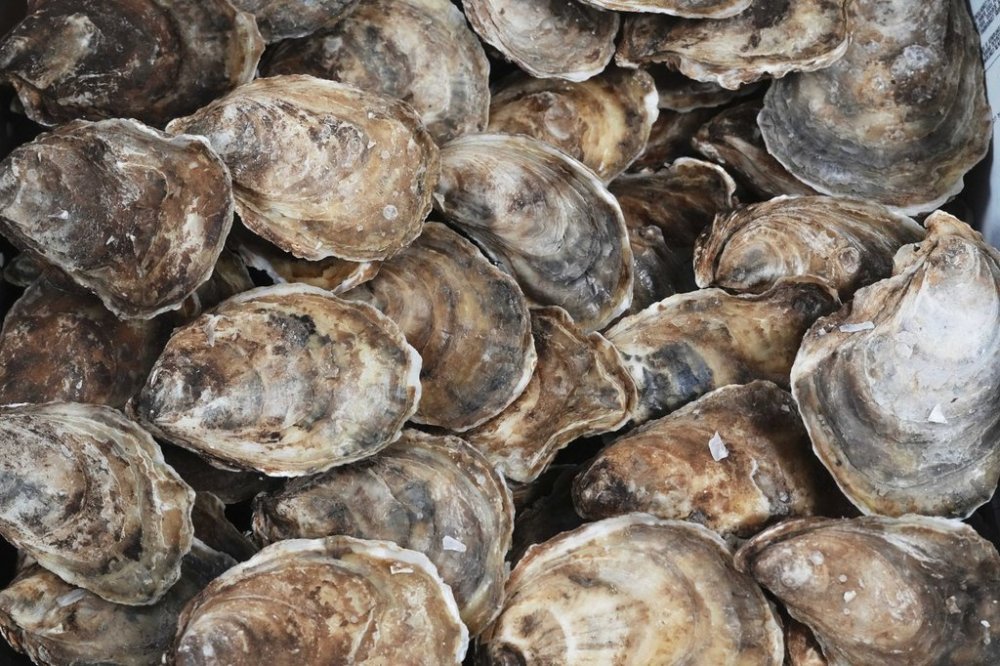
The agency says dermo and MSX don’t pose risks to human health or food safety but can cause increased oyster mortality and decreased growth rates.
Officials say dermo, also known as perkinsosis, can be transmitted from oyster to oyster or from water contaminated with the parasite.
However, they say with MSX it’s presumed there is an unknown intermediary host, making it harder to determine how it’s spread.
This report by The Canadian Press was first published July 4, 2025.