Gaming the system
Allied intelligence smuggled much-needed intel and supplies to prisoners in Monopoly sets
Advertisement
Read this article for free:
or
Already have an account? Log in here »
To continue reading, please subscribe:

Digital Subscription
One year of digital access for only $205*
- Enjoy unlimited reading on winnipegfreepress.com
- Read the E-Edition, our digital replica newspaper
- Access News Break, our award-winning app
- Play interactive puzzles
*First annual payment billed as $205.00 + GST for one year. This annual subscription will automatically renew at $233.00 + GST every 52 weeks (10% off the regular annual price of $259.35). Offer available to new and qualified returning subscribers only. Cancel any time.
To continue reading, please subscribe:
Add Free Press access to your Brandon Sun subscription for only an additional
$1 for the first 4 weeks*
- Enjoy unlimited reading on winnipegfreepress.com
- Read the E-Edition, our digital replica newspaper
- Access News Break, our award-winning app
- Play interactive puzzles
*Your next Brandon Sun subscription payment will increase by $1.00 and you will be charged $17.95 plus GST for four weeks. After four weeks, your payment will increase to $24.95 plus GST every four weeks.
Read unlimited articles for free today:
or
Already have an account? Log in here »
Hey there, time traveller!
This article was published 19/07/2025 (371 days ago), so information in it may no longer be current.
If necessity is the mother of invention, then in war intrepid is its father.
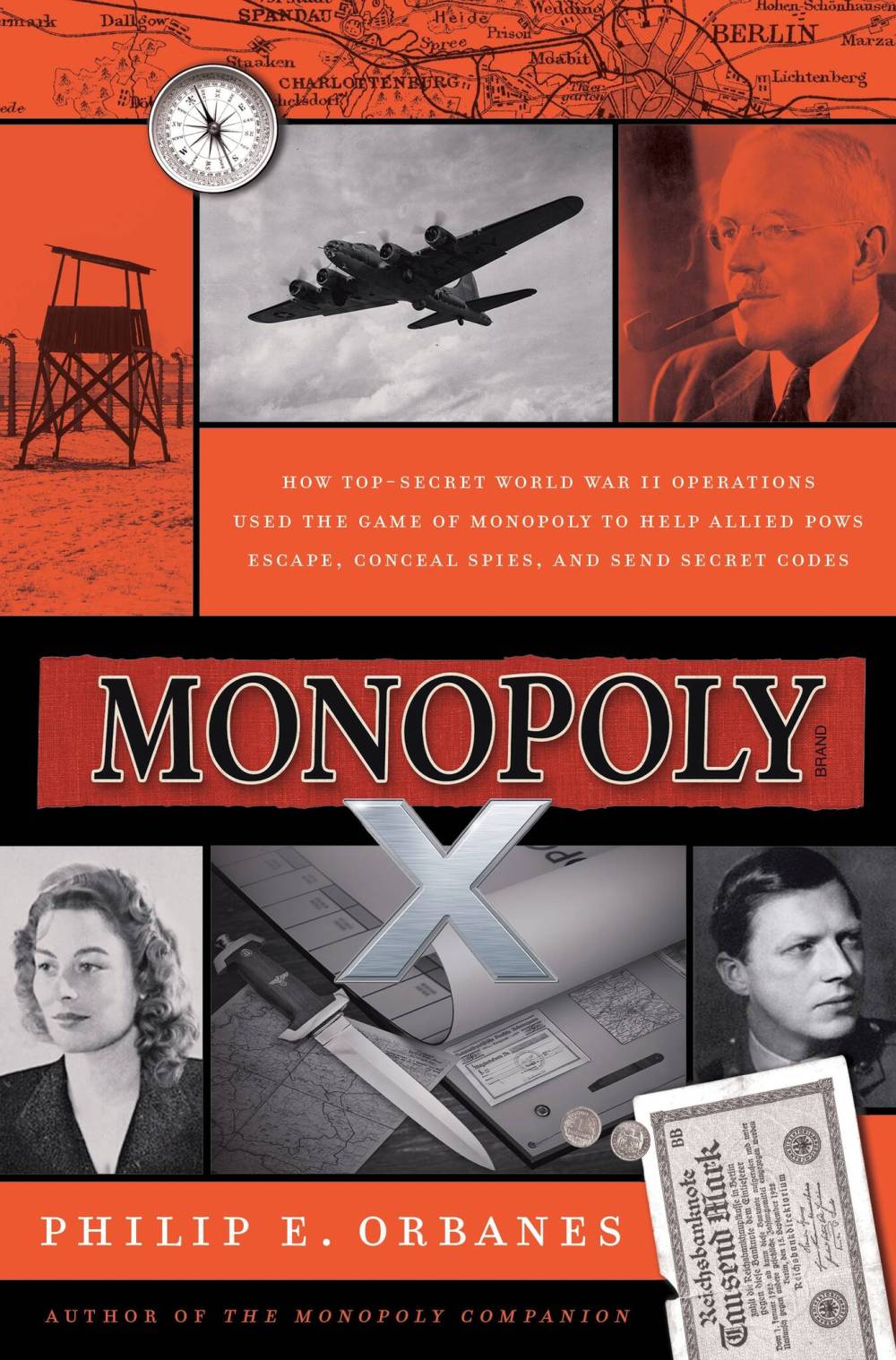
So it was in the 1940s when the ultra-secret British Military Intelligence (MI9) and America’s equivalent (MIS-X) employed, of all things, the board game Monopoly to help free Allied airmen shot down in World War II and sent to prison camps in Germany.
Philip E. Orbanes’ Monopoly X celebrates strategic thinking over brute force. Authored by a leading expert on the game, the book is assertive, direct and unapologetic.
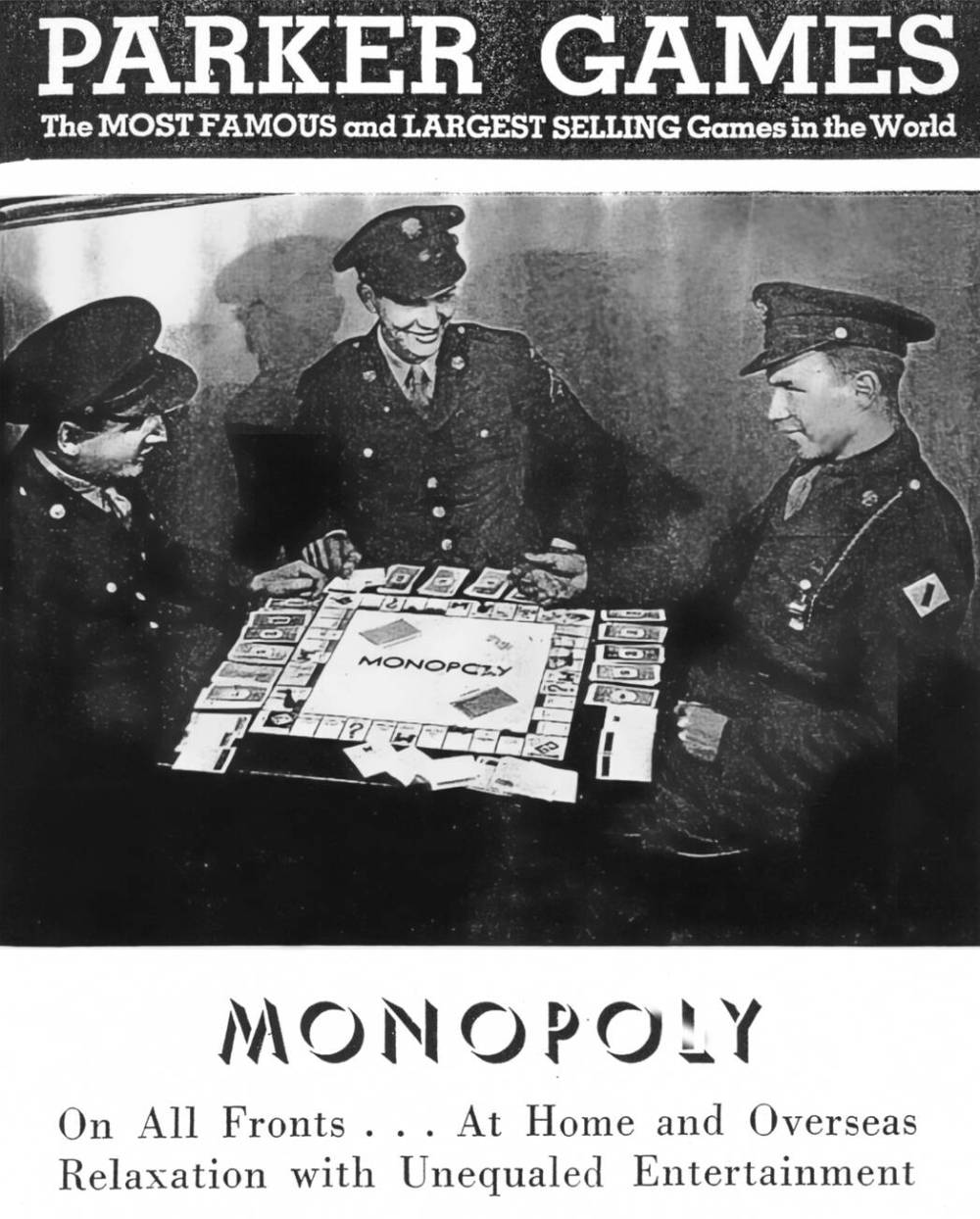
Orbanes is a superstar of Monopoly and has written several books about it, including Monopoly: The World’s Most Famous Game… and How It Got That Way. In 1992, he judged the Monopoly World Championship in Berlin. The game has been published in 47 languages. Some 1 to 1.5 billion people have played it.
Monopoly served a covert role during wartime; military intelligence were able to hide all kinds of information inside the game.
They used doctored sets of the board game to secretly pass escape routes, codes, money, tools and other vital information to prisoners. The parcels were from fake aid agencies the Allies created. Among the names used were Prisoners’ Leisure Hours Fund and Licensed Victuallers Prison Relief Fund.
The Monopoly the Germans saw in these phony parcels, even if they opened them and then opened the game within, would still look as it should. It was a brilliant triumph of hiding something in plain sight, and was still a secret long after the war was over.
In Monopoly X you can taste war and its unrelenting worry. Here and there it is like a dispatch from the front: tense.
There is in this wartime saga a rainbow of emotions and conduct: heroism, cowardice, conceit, betrayal, jubilation, contempt and, above all, fear — the constant fear of the Gestapo.
The book mainly details the dangerous journeys of airmen aided by spies and locals. Monopoly equipped them. (Notably, for every airman who escaped from the Nazis and made it to freedom, one helper lost their life.)
The people who risked the most were not the escapees, but the men and women who helped them. If discovered, they would be tortured by the Gestapo before being executed or turned over to concentration camps.
But the heroes and heroines of the underground were tough. Benoîte Jean (code-named Nori), for example, was being raped at knifepoint by a German officer. She flipped him onto his back, grabbed the dagger out of his hand and stabbed him in the neck. He gurgled as he died.
Andrée de Jongh (code-named Dédée) took the same chances as Nori but got caught. She was sent to Dachau concentration camp. There a dying woman insisted they switch names. It worked, and saved Dédée’s life.
After the war, Dédée moved to Africa and for many years helped lepers in four countries.
Another tough customer was Lee (Shorty) Gordon, the first U.S. airman to escape and make it. When he got home, he was booked to tour cities to boost morale and sell war bonds. The public loved him like a rock star.
Then there was an escaping American who broke his leg jumping from a train. The break was so severe the upper leg needed to be severed. But the old doctor they summoned didn’t have a saw with him. However, the patient did: a Gigli saw rapped around the inside of his cap. The Gigli was a coarse-surfaced steel wire smuggled into his prison camp in a set of Monopoly. A hot poker cauterized the stump.

The Monopoly scheme originated through a collaboration between Waddington Games, the manufacturer and distributor of the British edition of the Parker Brothers game, and Intelligence officer Christopher Clayton-Hutton, an eccentric genius in MI9. The Monopoly idea came from him.
Waddington was able to print on silk so that maps could be hidden under the board’s paper covering. Other parts of the game were hollowed out and metal files, saws and compasses added — compasses that wouldn’t rattle in the Monopoly parcel.
Parker Brothers, the firm in the U.S. that made Monopoly a household name, didn’t know anything about the smuggling.
Says Orbanes, “The use of games, especially Monopoly, to smuggle in aids for the escape of POWs was a uniquely effective, deceptively simple strategy. The Monopoly secret outsmarted the murderously efficient Nazis and intelligence agencies.”
Barry Craig is a retired journalist.