Weakened Gil now a tropical storm in the eastern Pacific with no threat to land expected
Advertisement
Read this article for free:
or
Already have an account? Log in here »
To continue reading, please subscribe:

Digital Subscription
One year of digital access for only $205*
- Enjoy unlimited reading on winnipegfreepress.com
- Read the E-Edition, our digital replica newspaper
- Access News Break, our award-winning app
- Play interactive puzzles
*First annual payment billed as $205.00 + GST for one year. This annual subscription will automatically renew at $233.00 + GST every 52 weeks (10% off the regular annual price of $259.35). Offer available to new and qualified returning subscribers only. Cancel any time.
To continue reading, please subscribe:
Add Free Press access to your Brandon Sun subscription for only an additional
$1 for the first 4 weeks*
- Enjoy unlimited reading on winnipegfreepress.com
- Read the E-Edition, our digital replica newspaper
- Access News Break, our award-winning app
- Play interactive puzzles
*Your next Brandon Sun subscription payment will increase by $1.00 and you will be charged $17.95 plus GST for four weeks. After four weeks, your payment will increase to $24.95 plus GST every four weeks.
Read unlimited articles for free today:
or
Already have an account? Log in here »
Hey there, time traveller!
This article was published 02/08/2025 (414 days ago), so information in it may no longer be current.
MEXICO CITY (AP) — Hurricane Gil weakened into a tropical storm in the eastern Pacific Ocean on Saturday and was not forecast to threaten land.
The Miami-based U.S. National Hurricane Center said the storm’s maximum sustained winds dropped to 65 mph (100 kph).
It was about 1,440 miles (2,320 kilometers) west of the southern tip of Mexico’s Baja California Peninsula and was moving west-northwest at 21 mph (33 kph).
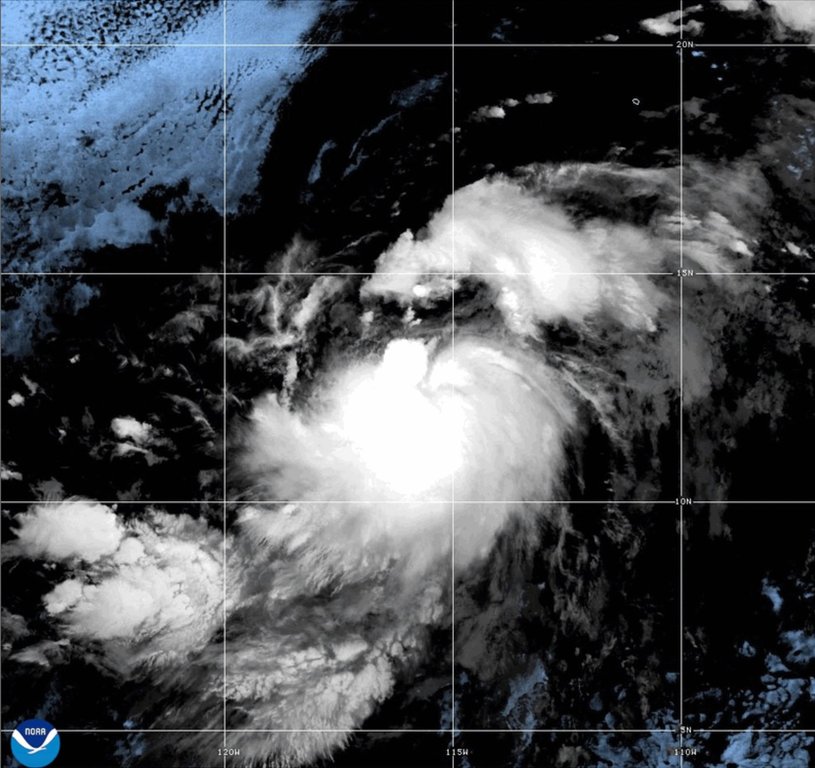

Further weakening was forecast, and no coastal watches or warnings were in effect.
It is a busy period for storms in the eastern Pacific. Other storms could develop in the coming days in the eastern Pacific, forecasters said.