

What to know about Legionnaires’ disease, which has sickened dozens in New York City
Advertisement
Read this article for free:
or
Already have an account? Log in here »
To continue reading, please subscribe:
Monthly Digital Subscription
$1 per week for 24 weeks*
- Enjoy unlimited reading on winnipegfreepress.com
- Read the E-Edition, our digital replica newspaper
- Access News Break, our award-winning app
- Play interactive puzzles
*Billed as $4.00 plus GST every four weeks. After 24 weeks, price increases to the regular rate of $19.95 plus GST every four weeks. Offer available to new and qualified returning subscribers only. Cancel any time.
Monthly Digital Subscription
$4.99/week*
- Enjoy unlimited reading on winnipegfreepress.com
- Read the E-Edition, our digital replica newspaper
- Access News Break, our award-winning app
- Play interactive puzzles
*Billed as $19.95 plus GST every four weeks. Cancel any time.
To continue reading, please subscribe:
Add Free Press access to your Brandon Sun subscription for only an additional
$1 for the first 4 weeks*
*Your next subscription payment will increase by $1.00 and you will be charged $16.99 plus GST for four weeks. After four weeks, your payment will increase to $23.99 plus GST every four weeks.
Read unlimited articles for free today:
or
Already have an account? Log in here »
Hey there, time traveller!
This article was published 05/08/2025 (233 days ago), so information in it may no longer be current.
An outbreak of Legionnaires’ disease in New York City has killed three people and sickened more than five dozen since late July.
City health officials link the Central Harlem outbreak to cooling towers, structures containing water and a fan that are used to cool buildings. They said 11 of these towers initially tested positive for a type of bacteria that causes Legionnaires’ disease, but the problem has been remedied.
They urged people in the area with flu-like symptoms to contact a health care provider as soon as possible, especially if they are 50 or older, smoke or have chronic lung conditions.
Here’s what to know.
What is Legionnaires’ disease?
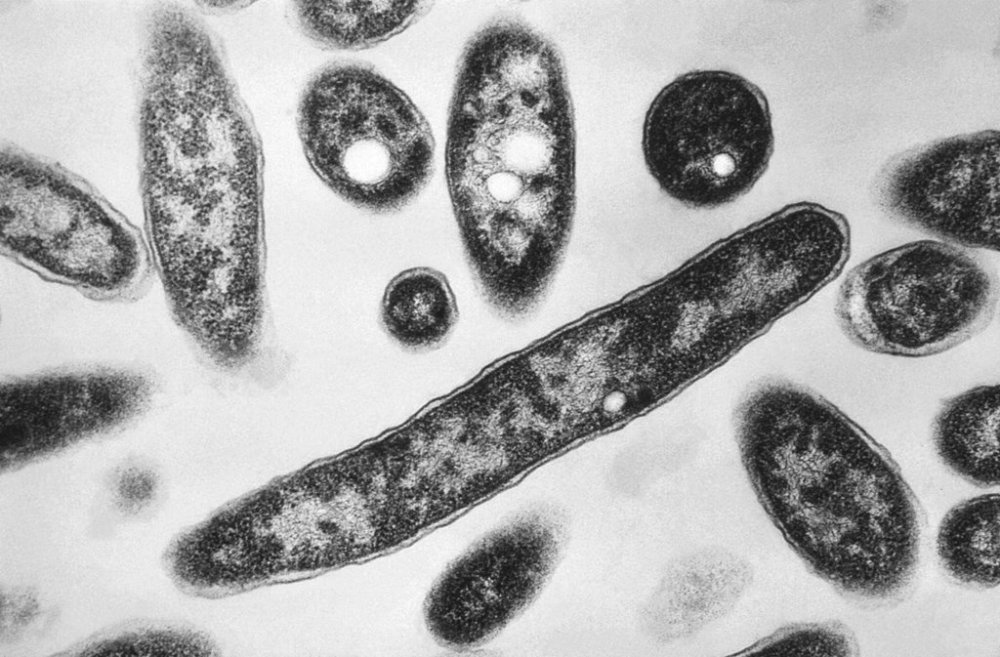
It’s a type of pneumonia caused by Legionella bacteria, which grow in warm water and spread in building water systems. They can be found in places such as showerheads, hot tubs and cooling towers.
People often get the disease by inhaling aerosols from contaminated water. Hospital patients can also contract it through contaminated water or ice, and babies can be exposed during water births, health officials said. People don’t get it from each other.
Symptoms usually develop two days to two weeks after exposure and include cough, fever, headaches, muscle aches and shortness of breath, according to the U.S. Centers for Disease Control and Prevention.
How does Legionnaires’ disease hurt you and how can you treat it?
It’s important to be diagnosed quickly and treated with the appropriate antibiotics, health officials said.
If untreated, the disease usually worsens during the first week, the World Health Organization said. Complications can include respiratory failure, shock and kidney or multi-organ failure.

How can Legionnaires’ disease be prevented?
People responsible for the safety of buildings and water systems can reduce the threat by taking steps to minimize the growth of the bacteria, the WHO said. For example, they should regularly clean and disinfect cooling towers, maintain an adequate level of chlorine in spa pools and flush unused taps in buildings weekly.
There are also steps people can take to reduce the risk of Legionnaires’ disease at home. New York state health officials suggest draining garden hoses; following manufacturers’ instructions for cleaning and replacing water filters; checking chlorine levels in pools and hot tubs regularly and flushing hot water heaters twice a year.
___
The Associated Press Health and Science Department receives support from the Howard Hughes Medical Institute’s Department of Science Education and the Robert Wood Johnson Foundation. The AP is solely responsible for all content.