Enlightened espionage
Travel writer turned wary spy back in action in Boyd’s 1960s thriller

Advertisement
Read this article for free:
or
Already have an account? Log in here »
To continue reading, please subscribe:

Digital Subscription
One year of digital access for only $205*
- Enjoy unlimited reading on winnipegfreepress.com
- Read the E-Edition, our digital replica newspaper
- Access News Break, our award-winning app
- Play interactive puzzles
*First annual payment billed as $205.00 + GST for one year. This annual subscription will automatically renew at $233.00 + GST every 52 weeks (10% off the regular annual price of $259.35). Offer available to new and qualified returning subscribers only. Cancel any time.
To continue reading, please subscribe:
Add Free Press access to your Brandon Sun subscription for only an additional
$1 for the first 4 weeks*
- Enjoy unlimited reading on winnipegfreepress.com
- Read the E-Edition, our digital replica newspaper
- Access News Break, our award-winning app
- Play interactive puzzles
*Your next Brandon Sun subscription payment will increase by $1.00 and you will be charged $17.95 plus GST for four weeks. After four weeks, your payment will increase to $24.95 plus GST every four weeks.
Read unlimited articles for free today:
or
Already have an account? Log in here »
Hey there, time traveller!
This article was published 06/12/2025 (282 days ago), so information in it may no longer be current.
British writer William Boyd is a Booker Prize-nominated literary novelist with a knack for pacy, persuasive storytelling. In The Predicament, a 1960s-set tale of reluctant MI6 spy Gabriel Dax, he supplies his usual textured, descriptive prose but struggles to deliver a compelling and cohesive plot.
Boyd has used espionage narratives before, exploring themes of identity and deception in weighty novels such as Restless and Waiting for Sunrise. Lighter and looser, the Gabriel Dax books might be closer to what Graham Greene used to call “entertainments.”
The Predicament is the second instalment of a proposed trilogy that began with Gabriel’s Moon (2024). (You don’t need to have read that novel to understand this one — Boyd sketches in necessary plot connections — but it would enhance the character background.)
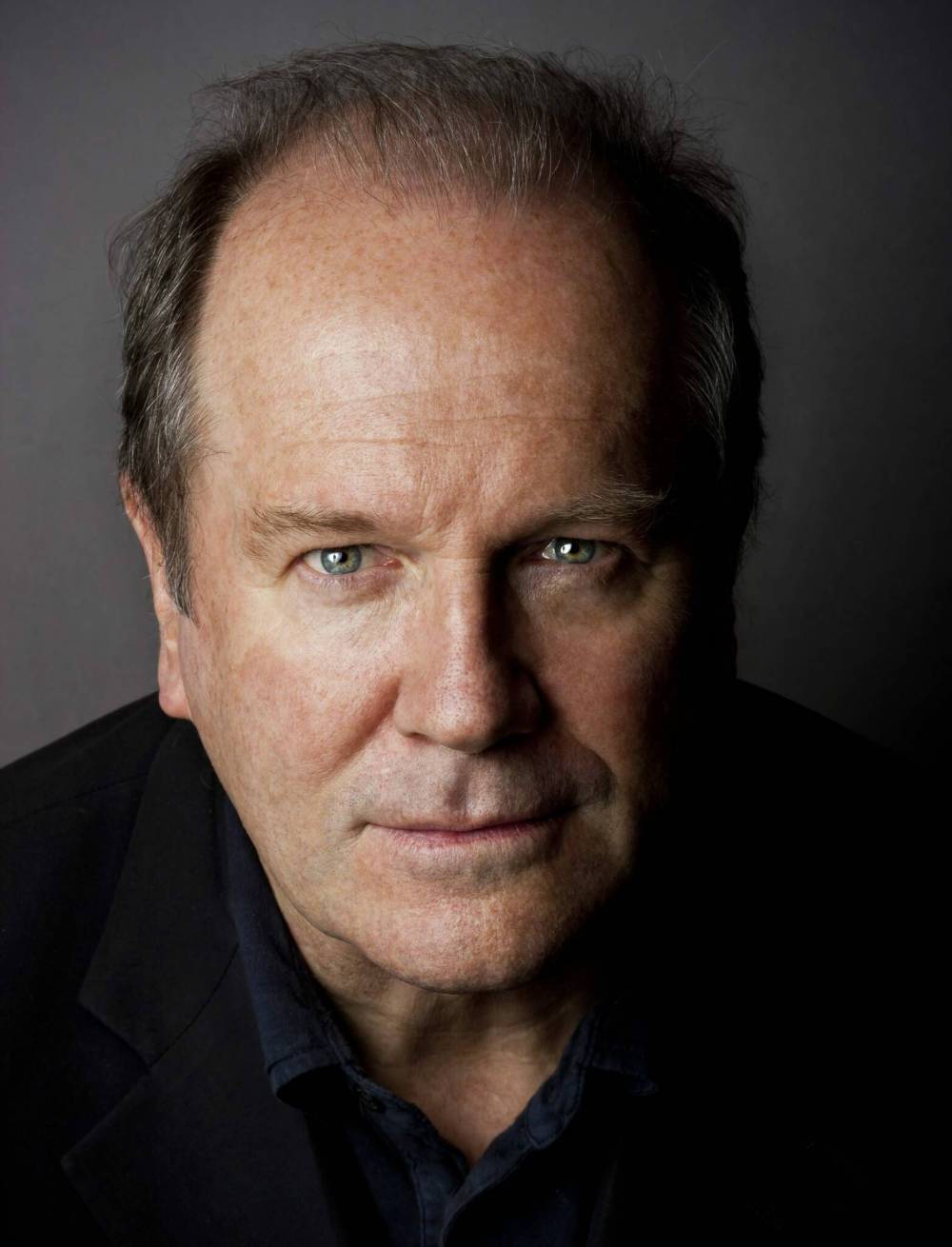
Trevor Leighton photo
William Boyd’s work often explores how one individual life can intersect with big historical events.
Gabriel is a travel writer, somewhat solitary, his sleep sometimes troubled by a traumatic childhood event that killed his mother. In the first Dax book, he stumbled into becoming a freelance double agent for the British secret service, his globe-trotting work providing perfect cover.
Now, his enigmatic handler and sometime lover Faith Green is sending him to Guatemala, where a rising leftist movement is clashing with the United Fruit Company, an American corporation with deep ties to the CIA. Gabriel is told to make contact with Frank Sartorius, the seemingly amiable local CIA station chief.
Assassinations, riots and shady characters hanging around Gabriel’s hotel leave him suspecting some kind of international plot but unable to grasp its outlines. Returning to England by way of a risky detour in New York, Gabriel vows to give up his double life and get back to writing.
Faith pulls him back in, though, and soon he’s on assignment in Germany, where American president John F. Kennedy is about to deliver his famous “Ich bin ein Berliner” speech. More intrigue ensues.
Boyd has always been interested in how one individual life can intersect with big historical events. He deliberately writes Dax not as a slick superspy but as a conflicted, slightly hapless guy who looks at the confusion and carnage of 20th-century history and concludes, “We are helpless, powerless against these random forces.”
The Predicament sees Gabriel working on his spy skills. He learns how to lose a tail and how to pick locks. He learns how to defend himself with the contents of his pocket. (“The writer’s notebook — a deadly weapon,” says his buff fight instructor, in what could be a Boyd in-joke.)
But even as Gabriel is drawn into high-level espionage, he remains doubtful about his abilities and his role, “once again (asking) himself what in the name of reason he was doing playing these dangerous games in a foreign city.”
Boyd delves into the psychological cost of a spy’s dual existence through transcribed sessions between Gabriel and his somewhat unorthodox psychotherapist Katerina Haas, who brings up the idea of the “false self,” the “real self” and their tricky interplay. That’s also a notion that comes out in Gabriel’s increasingly complicated, mostly unrequited obsession with the cool, competent, completely unreadable Faith.
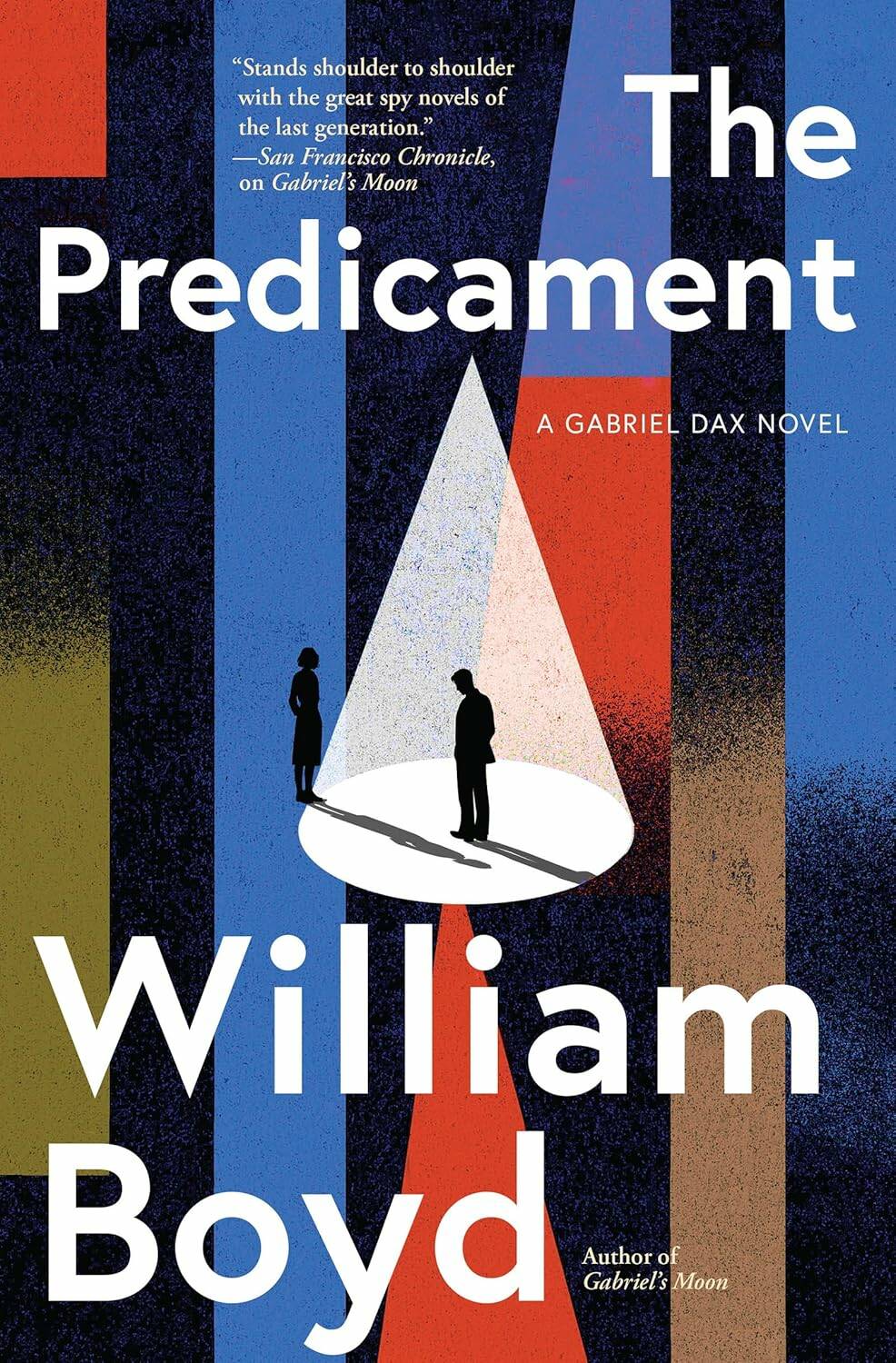
The Predicament
Moving from rural England to New York to Cold War-era West Berlin, Boyd fills in local atmosphere and period detail with practiced ease. But Gabriel’s ambivalent thoughts and feelings can be a bit repetitive and, as good as many of the standalone scenes are, they never add up to an exciting espionage plot.
This could partly be a structural problem common to trilogies, where the middle book often ends up slumping a bit, stranded between the world-building novelty of the first and the (hopefully) climactic conclusion of the last.
The Predicament is often engaging and entertaining, but the reader might sometimes be left wondering, as Gabriel himself does at one point, “What exactly is the point of all this effortful subterfuge?”
Alison Gillmor writes on pop culture for the Free Press.
Studying at the University of Winnipeg and later Toronto’s York University, Alison Gillmor planned to become an art historian. She ended up catching the journalism bug when she started as visual arts reviewer at the Winnipeg Free Press in 1992.
Our newsroom depends on a growing audience of readers to power our journalism. If you are not a paid reader, please consider becoming a subscriber.
Our newsroom depends on its audience of readers to power our journalism. Thank you for your support.
Book review
The Predicament: A Gabriel Dax Novel
By William Boyd
Atlantic Crime, 256 pages, $44
Studying at the University of Winnipeg and later Toronto’s York University, Alison Gillmor planned to become an art historian. She ended up catching the journalism bug when she started as visual arts reviewer at the Winnipeg Free Press in 1992.
Our newsroom depends on a growing audience of readers to power our journalism. If you are not a paid reader, please consider becoming a subscriber.
Our newsroom depends on its audience of readers to power our journalism. Thank you for your support.
Advertisement Advertise With Us
Advertisement Advertise With Us