

Penny-wise, pound-foolish fire department budgeting
Advertisement
Read this article for free:
or
Already have an account? Log in here »
To continue reading, please subscribe:

Digital Subscription
One year of digital access for only $205*
- Enjoy unlimited reading on winnipegfreepress.com
- Read the E-Edition, our digital replica newspaper
- Access News Break, our award-winning app
- Play interactive puzzles
*First annual payment billed as $205.00 + GST for one year. This annual subscription will automatically renew at $233.00 + GST every 52 weeks (10% off the regular annual price of $259.35). Offer available to new and qualified returning subscribers only. Cancel any time.
To continue reading, please subscribe:
Add Free Press access to your Brandon Sun subscription for only an additional
$1 for the first 4 weeks*
- Enjoy unlimited reading on winnipegfreepress.com
- Read the E-Edition, our digital replica newspaper
- Access News Break, our award-winning app
- Play interactive puzzles
*Your next Brandon Sun subscription payment will increase by $1.00 and you will be charged $17.95 plus GST for four weeks. After four weeks, your payment will increase to $24.95 plus GST every four weeks.
Read unlimited articles for free today:
or
Already have an account? Log in here »
Hey there, time traveller!
This article was published 16/12/2025 (218 days ago), so information in it may no longer be current.
There are many ways to balance a budget. Choosing the cheapest option in the short term is not always the most responsible one.
Winnipeg city council’s continued refusal to bring firefighter staffing up to acceptable levels — while leaning ever harder on overtime to plug the gaps — is a textbook case of being penny-wise and pound-foolish.
It may look fiscally prudent on a spreadsheet. But in practice, it is burning out a workforce, eroding public safety and almost certainly costing taxpayers more in the long run.
MIKE DEAL / FREE PRESS files
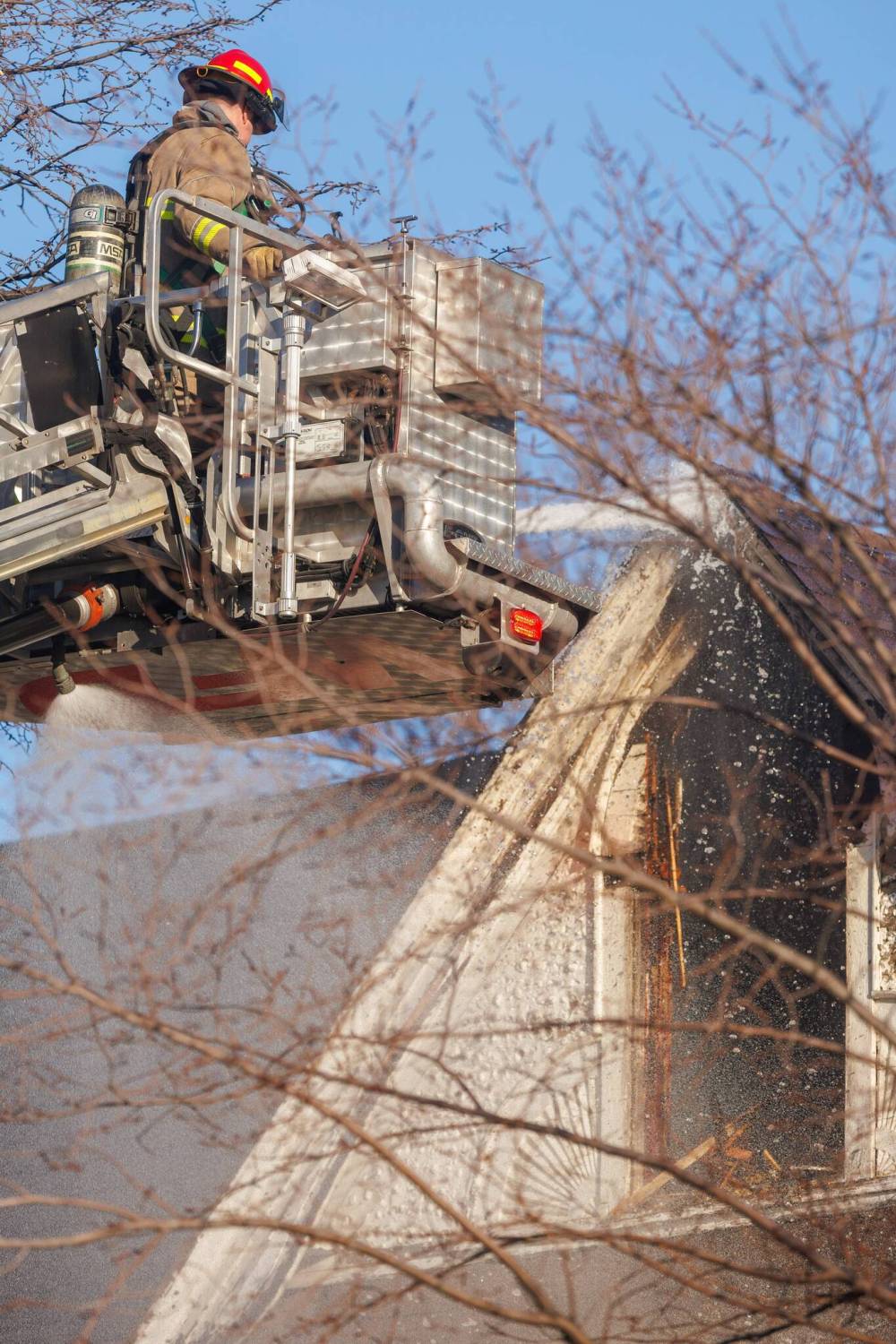
Winnipeg firefighters at a vacant house fire on William Avenue.
Winnipeg firefighters and their union representatives have been sounding the alarm bell for months about chronic understaffing. And they are not crying wolf. They are describing a service at a breaking point.
Last Friday, members of the Winnipeg Fire Paramedic Service told the mayor’s cabinet that the 2026 preliminary budget does not come close to meeting the demands being placed on the department.
The proposed $262-million allocation — an $8-million increase over this year — may sound substantial, but it fails to address the core problem: chronic understaffing that forces firefighters to work unsustainable hours.
The testimony council heard should have been sobering.
Capt. Laura Duncan told councillors that firefighters who once worked 48-hour weeks are now routinely logging as many as 76 hours. That is not a temporary surge during an emergency. It is the new normal.
At some point, she asked, when does that schedule start to damage family life, sleep and self-care? It is a fair question — and one that every leader at city hall should be asking themselves.
Capt. Scott Atchison, who oversees the service’s peer support program, provided a grim reminder of what happens when resources fall short. He was part of the crew that responded to the 2007 St. Boniface house fire that killed two firefighters. The gaps he witnessed in the aftermath of that tragedy, he said, have only widened.
The pressures facing the service today are unprecedented: an aging population, the fentanyl and methamphetamine crises, rising homelessness, historic increases in structure fires and a surge in fires in vacant buildings.
And yet the city’s answer remains the same: more overtime.
The draft budget proposes creating a “resource pool” of 10 firefighters to cover absences. But that’s nowhere near enough to bring staffing complements to acceptable levels.
United Fire Fighters of Winnipeg president Nick Kasper has called on council to either add 40 firefighters now or accelerate the hiring of the resource pool positions, by reallocating money that will otherwise be spent on overtime.
That proposal deserves serious consideration, not deferral.

Overtime is not free. It is expensive, it is unpredictable and, when relied on year after year, it becomes a symptom of a system that is not working. Worse, excessive overtime carries hidden costs: higher injury rates, increased sick time, mental-health strain and, ultimately, higher turnover and compensation claims.
City council may believe it is saving money by delaying permanent hires. In reality, it is paying a premium to keep an overstretched service afloat.
The near-unanimous vote of non-confidence in the 2026 budget issued by the union last week should have set off alarm bells. Fewer than 10 per cent of firefighters who voted said they consider the WFPS a safe workplace.
“That’s not symbolic,” said Kasper. “That’s a workforce in crisis with no 911 to call.”
Council can continue to kick the can down the road, relying on overtime and temporary fixes while hoping nothing goes seriously wrong. Or it can make the harder, wiser choice: invest in staffing now to protect firefighters, the public they serve and, ultimately, the city’s finances.